Kirjojen hintavertailu. Mukana 12 595 353 kirjaa ja 12 kauppaa.

Kirjailija

Alexander Tristan Riley

Kirjat ja teokset yhdessä paikassa: 2 kirjaa, julkaisuja vuosilta 2010-2012, suosituimpien joukossa Godless Intellectuals?. Vertaile teosten hintoja ja tarkista saatavuus suomalaisista kirjakaupoista.

2 kirjaa

Kirjojen julkaisuhaarukka 2010-2012.

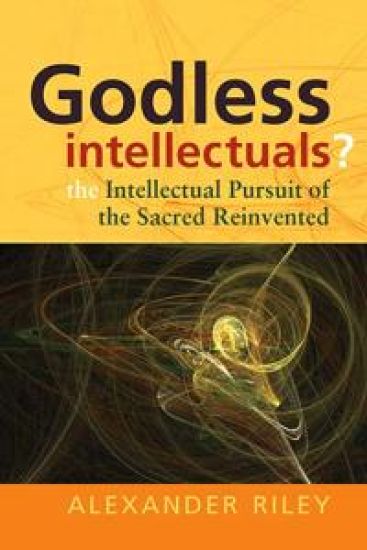
Godless Intellectuals?

Godless Intellectuals?

Alexander Tristan Riley

Berghahn Books
2012
nidottu
The Durkheimians have traditionally been understood as positivist, secular thinkers, fully within the Enlightenment project of limitless reason and progress. In a radical revision of this view, this book persuasively argues that the core members of the Durkheimian circle (Durkheim himself, Marcel Mauss, Henri Hubert and Robert Hertz) are significantly more complicated than this. Through his extensive analysis of large volumes of correspondence as well as historical and macro-sociological mappings of the intellectual and social worlds in which the Durkheimian project emerged, the author shows the Durkheimian project to have constituted a quasi-religious quest in ways much deeper than most interpreters have thought. Their fascination, both personal and intellectual, with the sacred is the basis on which the author reconstructs some important components of modern French intellectual history, connecting Durkheimian thought to key representatives of French poststructuralism and postmodernism: Bataille, Foucault, Derrida, Baudrillard, and Deleuze.
Godless Intellectuals?

Godless Intellectuals?

Alexander Tristan Riley

Berghahn Books
2010
sidottu
The Durkheimians have traditionally been understood as positivist, secular thinkers, fully within the Enlightenment project of limitless reason and progress. In a radical revision of this view, this book persuasively argues that the core members of the Durkheimian circle (Durkheim himself, Marcel Mauss, Henri Hubert and Robert Hertz) are significantly more complicated than this. Through his extensive analysis of large volumes of correspondence as well as historical and macro-sociological mappings of the intellectual and social worlds in which the Durkheimian project emerged, the author shows the Durkheimian project to have constituted a quasi-religious quest in ways much deeper than most interpreters have thought. Their fascination, both personal and intellectual, with the sacred is the basis on which the author reconstructs some important components of modern French intellectual history, connecting Durkheimian thought to key representatives of French poststructuralism and postmodernism: Bataille, Foucault, Derrida, Baudrillard, and Deleuze.