Kirjojen hintavertailu. Mukana 12 595 353 kirjaa ja 12 kauppaa.

Kirjailija

Ali Qadir

Kirjat ja teokset yhdessä paikassa: 2 kirjaa, julkaisuja vuosilta 2019-2022, suosituimpien joukossa Epistemic Governance. Vertaile teosten hintoja ja tarkista saatavuus suomalaisista kirjakaupoista.

2 kirjaa

Kirjojen julkaisuhaarukka 2019-2022.

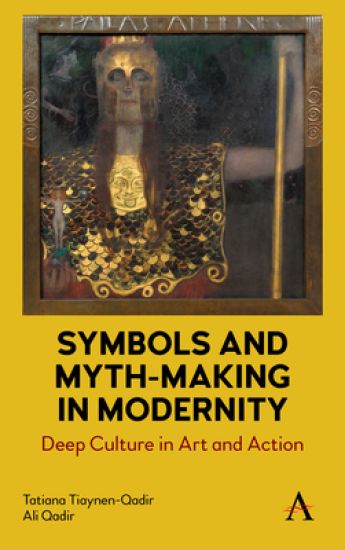
Symbols and Myth-Making in Modernity

Symbols and Myth-Making in Modernity

Tatiana Tiaynen-Qadir; Ali Qadir

Anthem Press
2022
sidottu
Why do people queue up and break the bank to watch fantasy movies? Why do some fictional characters and mythical creatures strangely arrest our mind and senses? Why do some images and tales affect us so deeply? From mystical heroic journeys to uncanny images and invincible goddesses, ‘Symbols and Myth-Making in Modernity’ investigates the metaphoric power of symbols in human imagination today and in the past. The book traces how ever-present symbols in cultures and rituals across the world, as well as in masterpieces of Renaissance, Sufi poetry and Finnish ‘Kalevala’ myths, erupt in popular culture today, including in cinema, books, visual art, music and politics. The authors develop a phenomenological theory of deep culture that nourishes human perception of reality through multivalent symbols and myths, in which art and rituals occur as liminal spaces of symbol-making. Drawing on examples from the Hobbit and Avengers, street art, politics, and work of acclaimed modern artists, the book describes how deep culture can be seen as a symbolic map of modern mythology. Dismantling literalism and disturbing our view of the world, at each step the book unpacks how symbols play out in the modern world and the work they do in transforming the self.
Epistemic Governance

Epistemic Governance

Pertti Alasuutari; Ali Qadir

Springer Nature Switzerland AG
2019
nidottu
This book argues that modern governance is performed by actors who seek social change epistemically, by drawing on widespread, public views of reality. Agents of change such as parliamentarians or social movement activists will assess and affect what they believe to be people’s conceptions of what is possible, rational, and desirable. This often means that these key authority figures will invest in credible knowledge production, as well as appeal to individual and group identifications, emotions, and values.Alasuutari and Qadir show how this epistemic governance works in three important arenas of social change: parliaments, which debate laws that constitute the bulk of reforms; international organizations that circulate global norms; and social movements and NGOs. Through their analysis, the authors’ detailed, innovative methodology for discourse analysis indicates the utility of epistemic governance as a new paradigm for research into global social change. This book will be of use to students in upper level degree programs who want to design empirical research into social change as well as researchers in sociology, political science and public policy.