Kirjojen hintavertailu. Mukana 12 595 353 kirjaa ja 12 kauppaa.

Kirjailija

Alisa Ballard Lin

Kirjat ja teokset yhdessä paikassa: 2 kirjaa, julkaisuja vuodelta 2025, suosituimpien joukossa Theatrical Consciousness. Vertaile teosten hintoja ja tarkista saatavuus suomalaisista kirjakaupoista.

2 kirjaa

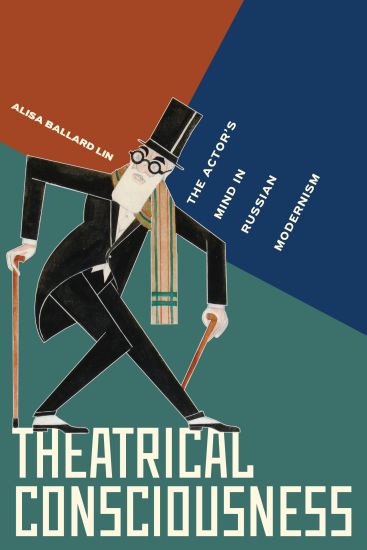
Theatrical Consciousness

Theatrical Consciousness

Alisa Ballard Lin

NORTHWESTERN UNIVERSITY PRESS
2025
nidottu
Investigating late imperial Russian and early Soviet modernism's reinvention of the actor In this wide-ranging study, Alisa Ballard Lin argues that Russian theatrical theory and practice contributed to a broad pre- and postrevolutionary discourse about the mind, profoundly reshaping concepts of consciousness, perception, identity, and the constitution of the subject. Theatrical Consciousness: The Actor's Mind in Russian Modernism examines efforts in Russian theater- from around the turn of the century through the mid- 1930s- to stimulate, train, imagine, and ultimately understand the actor's, as well as the spectator's mind. Discussing key figures of the period, including Nikolai Evreinov, Konstantin Stanislavsky, Vsevolod Meyerhold, and Alexander Tairov, Lin identifies an underappreciated dimension of humanism within Russian modernism: a humanism that resisted the pressures of an increasingly technologized, industrialized, and politicized modernity that challenged the place of the human within it.
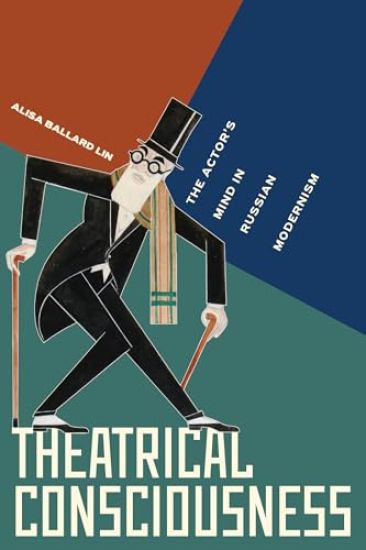
Theatrical Consciousness

Theatrical Consciousness

Alisa Ballard Lin

NORTHWESTERN UNIVERSITY PRESS
2025
sidottu
Investigating late imperial Russian and early Soviet modernism’ s reinvention of the actor In this wide-ranging study, Alisa Ballard Lin argues that Russian theatrical theory and practice contributed to a broad pre- and postrevolutionary discourse about the mind, profoundly reshaping concepts of consciousness, perception, identity, and the constitution of the subject. Theatrical Consciousness: The Actor's Mind in Russian Modernism examines efforts in Russian theater— from around the turn of the century through the mid- 1930- to stimulate, train, imagine, and ultimately understand the actor's, as well as the spectator's, mind. Discussing key figures of the period, including Nikolai Evreinov, Konstantin Stanislavsky, Vsevolod Meyerhold, and Alexander Tairov, Lin identifies an underappreciated dimension of humanism within Russian modernism: a humanism that resisted the pressures of an increasingly technologized, industrialized, and politicized modernity that challenged the place of the human within it.