Kirjojen hintavertailu. Mukana 12 390 323 kirjaa ja 12 kauppaa.

Kirjailija

Alison Landsberg

Kirjat ja teokset yhdessä paikassa: 4 kirjaa, julkaisuja vuosilta 2004-2015, suosituimpien joukossa Engaging the Past. Vertaile teosten hintoja ja tarkista saatavuus suomalaisista kirjakaupoista.

4 kirjaa

Kirjojen julkaisuhaarukka 2004-2015.

Engaging the Past

Engaging the Past

Alison Landsberg

Columbia University Press
2015
pokkari
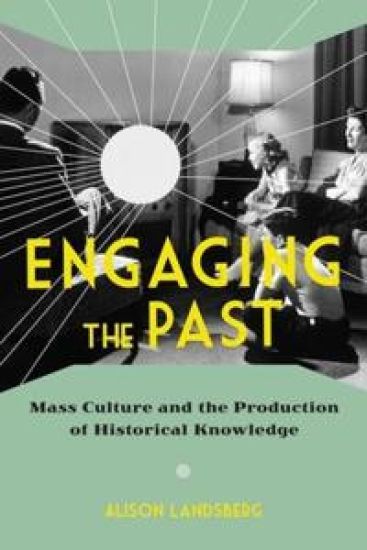
Reading films, television dramas, reality shows, and virtual exhibits, among other popular texts, Engaging the Past examines the making and meaning of history for everyday viewers. Contemporary media can encourage complex interactions with the past that have far-reaching consequences for history and politics. Viewers experience these representations personally, cognitively, and bodily, but, as this book reveals, not just by identifying with the characters portrayed. Some of the works considered in this volume include the films Hotel Rwanda (2004), Good Night and Good Luck (2005), and Milk (2008); the television dramas Deadwood, Mad Men, and Rome; the reality shows Frontier House, Colonial House, and Texas Ranch House; and The Secret Annex Online, accessed through the Anne Frank House website, and the Kristallnacht exhibit, accessed through the Unites States Holocaust Museum website. These mass cultural texts cultivate what Alison Landsberg calls an "affective engagement" with the past, tying the viewer to an event or person and fostering a sense of intimacy that does more than transport the viewer back in time. Affect, she suggests, can also work to disorient the viewer, forcibly pushing him or her out of the narrative and back into his or her own body. By analyzing these specific popular history formats, Landsberg shows the unique way they provoke historical thinking and produce historical knowledge, prompting a reconsideration of what constitutes history and an understanding of how history works in the contemporary mediated public sphere.
Engaging the Past

Engaging the Past

Alison Landsberg

Columbia University Press
2015
sidottu
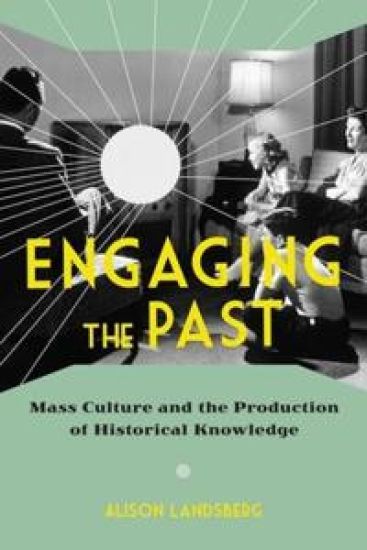
Reading films, television dramas, reality shows, and virtual exhibits, among other popular texts, Engaging the Past examines the making and meaning of history for everyday viewers. Contemporary media can encourage complex interactions with the past that have far-reaching consequences for history and politics. Viewers experience these representations personally, cognitively, and bodily, but, as this book reveals, not just by identifying with the characters portrayed. Some of the works considered in this volume include the films Hotel Rwanda (2004), Good Night and Good Luck (2005), and Milk (2008); the television dramas Deadwood, Mad Men, and Rome; the reality shows Frontier House, Colonial House, and Texas Ranch House; and The Secret Annex Online, accessed through the Anne Frank House website, and the Kristallnacht exhibit, accessed through the Unites States Holocaust Museum website. These mass cultural texts cultivate what Alison Landsberg calls an "affective engagement" with the past, tying the viewer to an event or person and fostering a sense of intimacy that does more than transport the viewer back in time. Affect, she suggests, can also work to disorient the viewer, forcibly pushing him or her out of the narrative and back into his or her own body. By analyzing these specific popular history formats, Landsberg shows the unique way they provoke historical thinking and produce historical knowledge, prompting a reconsideration of what constitutes history and an understanding of how history works in the contemporary mediated public sphere.
Prosthetic Memory

Prosthetic Memory

Alison Landsberg

Columbia University Press
2004
pokkari
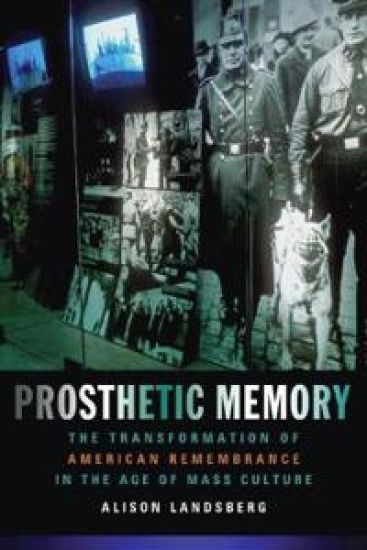
Instead of compartmentalizing American experience, the technologies of mass culture make it possible for anyone, regardless of race, ethnicity, or gender to share collective memories-to assimilate as personal experience historical events through which they themselves did not live. That's the provocative argument of this book, which examines the formation and potential of privately felt public memories. Alison Landsberg argues that mass cultural forms such as cinema and television in fact contain the still-unrealized potential for a progressive politics based on empathy for the historical experiences of others. The result is a new form of public cultural memory-"prosthetic" memory-that awakens the potential in American society for increased social responsibility and political alliances that transcend the essentialism and ethnic particularism of contemporary identity politics.
Prosthetic Memory

Prosthetic Memory

Alison Landsberg

Columbia University Press
2004
sidottu
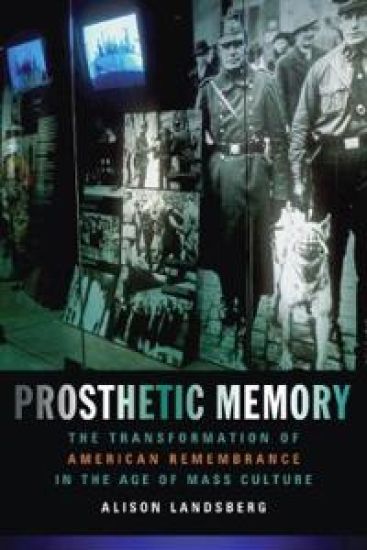
Instead of compartmentalizing American experience, the technologies of mass culture make it possible for anyone, regardless of race, ethnicity, or gender to share collective memories-to assimilate as personal experience historical events through which they themselves did not live. That's the provocative argument of this book, which examines the formation and potential of privately felt public memories. Alison Landsberg argues that mass cultural forms such as cinema and television in fact contain the still-unrealized potential for a progressive politics based on empathy for the historical experiences of others. The result is a new form of public cultural memory-"prosthetic" memory-that awakens the potential in American society for increased social responsibility and political alliances that transcend the essentialism and ethnic particularism of contemporary identity politics.