

Kirjailija
Alison Pearlman
Kirjat ja teokset yhdessä paikassa: 6 kirjaa, julkaisuja vuosilta 2003-2027, suosituimpien joukossa Meet Me at the West Beach Café. Vertaile teosten hintoja ja tarkista saatavuus suomalaisista kirjakaupoista.
6 kirjaa
Kirjojen julkaisuhaarukka 2003-2027.

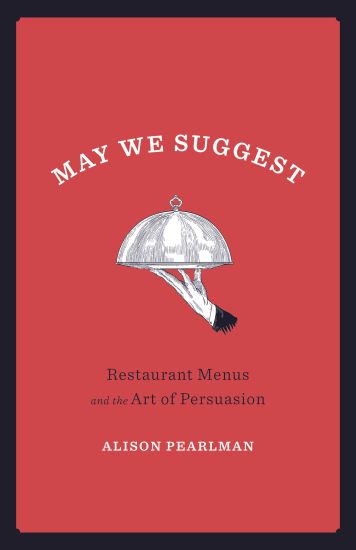
We’ve all ordered from a restaurant menu. But have you ever wondered to what extent the menu is ordering you? In this fascinating new book, art historian and food lover Alison Pearlman takes an inquiring look at the design of physical restaurant menus—their content, size, scope, material, and more—to explore how they influence our dining experiences and choices (if they do at all). After years of collecting menus and studying their cultural significance through the lens of art history, Pearlman realized they were also profoundly important sales tools, affecting everything from a restaurant’s operations and profits to a diner’s expectations and behavior. There was just one problem: she wasn’t exactly convinced that any menu had ever swayed her own choices. So she set off on a mission to understand if, how, and when menus work in appealing to us diners, visiting and meticulously documenting more than 60 restaurants of all stripes in the greater Los Angeles area. In May We Suggest, Pearlman combines her own dining experiences with research from a broad range of disciplines, from experience design to behavioral economics. What emerges is a captivating, thought-provoking study of one of the most often read but rarely analyzed narrative works around: the humble menu.
In Smart Casual, Alison Pearlman investigates what she identifies as the increasing informality in the design of contemporary American restaurants. Pearlman takes us hungrily inside the kitchens and dining rooms of restaurants coast to coast - from David Chang's Momofuku Noodle Bar in New York to the seasonal, French-inspired cuisine of Alice Waters and Thomas Keller in California to the deconstructed comfort food of Homaro Cantu's Moto in Chicago - to explore the different forms and flavors this casualization is taking. Smart Casual examines the assumed correlation between taste and social status, and argues that recent aspects to these distinctions have given rise to a new idea of sophistication, one that champions the omnivorous. The boundaries between high and low have been made flexible because of our desire to eat everything, try everything, and do so in a convivial setting.
Fine dining and the accolades of Michelin stars once meant chandeliers, white tablecloths, and suited waiters with elegant accents. It was unthinkable that a gourmet chef would stoop to plate a burger or a taco in his kitchen. And yet today many of us will queue up for a seat at a loud, crowded noodle bar or eagerly seek out that farm-to-table restaurant where the burgers and fries are organic and the ketchup is homemade - but it's not just us: the critics will be there too, ready to award distinction. How did this radical change happen, and what does it say about current attitudes toward taste? Here with the answers is food writer Alison Pearlman. In "Smart Casual", Pearlman investigates what she identifies as the increasing informality in the design of contemporary American restaurants. By design, Pearlman does not just mean architecture. Her argument is more expansive - she is as interested in the style and presentation of food, the business plan, and the marketing of chefs as she is in the restaurant's floor plan or menu design. Pearlman takes us hungrily inside the kitchens and dining rooms of restaurants coast to coast - from David Chang's Momofuku noodle bar in New York to the seasonal, French-inspired cuisine of Alice Waters and Thomas Keller in California and the deconstructed comfort food of Homaro Cantu's Moto in Chicago - to explore the different forms and flavors this casualization is taking. "Smart Casual" examines the assumed correlation between taste and social status and argues that the boundaries between high and low have been made flexible due to our desire to eat everything, try everything, and do so in a convivial setting. Through lively on-the-scene observation and interviews with major players and chefs, "Smart Casual" will transport readers to restaurants around the country to learn the secrets to their success and popularity.
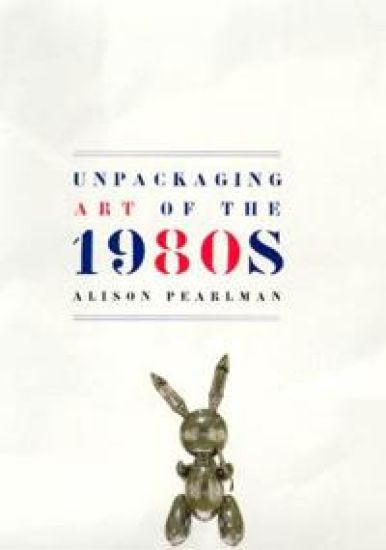
American art of the 1980s is as misunderstood as it is notorious. Critics of the time feared that market hype and self-promotion threatened the integrity of art. They lashed out at contemporary art, questioning the validity of particular media and methods and dividing the art into opposing camps. While the controversies have since subsided, critics still view art of the 1980s as a stylistic battlefield. Alison Pearlman rejects this picture, which is truer of the period's criticism than of its art. Pearlman reassesses the works and careers of six artists who became critics' biggest targets. In each of three chapters, she pairs two artists the critics viewed as emblematic of a given trend: Julian Schnabel and David Salle in association with Neo-Expressionism; Jean-Michel Basquiat and Keith Haring vis-a-vis Graffiti Art; and Peter Halley and Jeff Koons in relation to Simulationism. Pearlman shows how all these artists shared important but unrecognized influences and approaches: a crucial and overwhelming inheritance of 1960s and 1970s Conceptualism, a Warholian understanding of public identity, and a deliberate and nuanced use of past styles and media. Through in-depth discussions of works, from Haring's body-paintings of Grace Jones to Schnabel's movie "Basquiat", Pearlman demonstrates how these artists' interests exemplified a broader, generational shift unrecognized by critics. She sees this shift as starting not in the 1980s but in the mid-1970s, when key developments in artistic style, art-world structures, and consumer culture converged to radically alter the course of American art. "Unpackaging Art of the 1980s" offers an innovative approach to one of the most significant yet least understood episodes in 20th-century art.