Kirjojen hintavertailu. Mukana 12 390 323 kirjaa ja 12 kauppaa.

Kirjailija

Allan Downey

Kirjat ja teokset yhdessä paikassa: 6 kirjaa, julkaisuja vuosilta 2010-2021, suosituimpien joukossa Jack the Ripper. Vertaile teosten hintoja ja tarkista saatavuus suomalaisista kirjakaupoista.

6 kirjaa

Kirjojen julkaisuhaarukka 2010-2021.

Jack the Ripper

Jack the Ripper

Allan Downey

Goldtouch Press, LLC
2021
sidottu
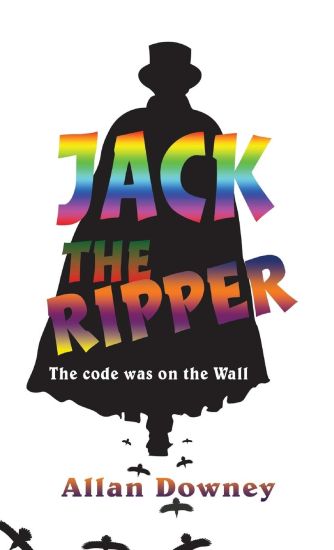
The Book describes in detail how the letters that Jack the Ripper wrote to the police and others who had an interest in the murders, contained a message. The message was also found on the chalk writing on the wall, the enigmatic, the Juwes are the men that will not be blamed for nothing. This was found soon after and near to where the fifth victim, Catherine Eddowe's body was discovered. Just below the writing, lying on the ground, was a piece of Catherines apron, still wet with blood. This was the murderers way of showing that he had written the words above the apron. When the words are decoded, the message contained shows that they were written by the English impressionist painter Walter Richard Sickert who was born on May 31st 1860 in Munich, Germany, and died on January 22nd 1942 in Bath, England. For many years Sickert was a close friend of the writer, Oscar Wilde until Wilde was sent to prison. When Wilde was released from prison, Sickert eschewed him. Wildes novel, the picture of Dorian Gray, written in 1890 when they were still friends, confirms in a coded message that Wilde knew that Sickert was Jack the Ripper.
Jack the Ripper

Jack the Ripper

Allan Downey

Goldtouch Press, LLC
2021
pokkari
The Book describes in detail how the letters that Jack the Ripper wrote to the police and others who had an interest in the murders, contained a message. The message was also found on the chalk writing on the wall, the enigmatic, the Juwes are the men that will not be blamed for nothing. This was found soon after and near to where the fifth victim, Catherine Eddowe's body was discovered. Just below the writing, lying on the ground, was a piece of Catherines apron, still wet with blood. This was the murderers way of showing that he had written the words above the apron. When the words are decoded, the message contained shows that they were written by the English impressionist painter Walter Richard Sickert who was born on May 31st 1860 in Munich, Germany, and died on January 22nd 1942 in Bath, England. For many years Sickert was a close friend of the writer, Oscar Wilde until Wilde was sent to prison. When Wilde was released from prison, Sickert eschewed him. Wildes novel, the picture of Dorian Gray, written in 1890 when they were still friends, confirms in a coded message that Wilde knew that Sickert was Jack the Ripper.
Has Jack the Ripper Told You Chaps What His Real Name Was
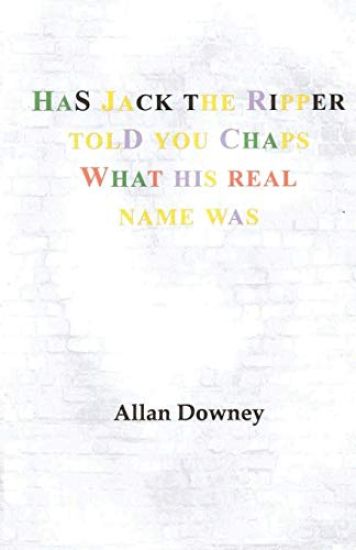
The Book describes in detail how the letters that Jack the Ripper wrote to the police and others who had an interest in the murders, contained a message. The message was also found on the chalk writing on the wall, the enigmatic, the Juwes are the men that will not be blamed for nothing. This was found soon after and near to where the fifth victim, Catherine Eddowe's body was discovered. Just below the writing, lying on the ground, was a piece of Catherines apron, still wet with blood. This was the murderers way of showing that he had written the words above the apron. When the words are decoded, the message contained shows that they were written by the English impressionist painter Walter Richard Sickert who was born on May 31st 1860 in Munich, Germany, and died on January 22nd 1942 in Bath, England. For many years Sickert was a close friend of the writer, Oscar Wilde until Wilde was sent to prison. When Wilde was released from prison, Sickert eschewed him. Wildes novel, the picture of Dorian Gray, written in 1890 when they were still friends, confirms in a coded message that Wilde knew that Sickert was Jack the Ripper.
Has Jack the Ripper Told You Chaps What His Real Name Was
The Book describes in detail how the letters that Jack the Ripper wrote to the police and others who had an interest in the murders, contained a message. The message was also found on the chalk writing on the wall, the enigmatic, the Juwes are the men that will not be blamed for nothing. This was found soon after and near to where the fifth victim, Catherine Eddowe's body was discovered. Just below the writing, lying on the ground, was a piece of Catherines apron, still wet with blood. This was the murderers way of showing that he had written the words above the apron. When the words are decoded, the message contained shows that they were written by the English impressionist painter Walter Richard Sickert who was born on May 31st 1860 in Munich, Germany, and died on January 22nd 1942 in Bath, England. For many years Sickert was a close friend of the writer, Oscar Wilde until Wilde was sent to prison. When Wilde was released from prison, Sickert eschewed him. Wildes novel, the picture of Dorian Gray, written in 1890 when they were still friends, confirms in a coded message that Wilde knew that Sickert was Jack the Ripper.
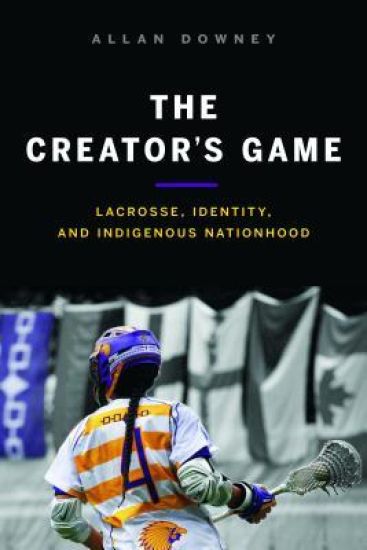
The Creator’s Game

The Creator’s Game

Allan Downey

University of British Columbia Press
2018
pokkari
A gift from the Creator – that is where it all began. The game of lacrosse has been a central element of many Indigenous cultures for centuries, but once non-Indigenous players entered the sport, it became a site of appropriation – then reclamation – of Indigenous identities. Focusing on the history of lacrosse in Indigenous communities from the 1860s to the 1990s, The Creator’s Game explores Indigenous-non-Indigenous relations and Indigenous identity formation. While the game was being stripped of its cultural and ceremonial significance and being appropriated to construct a new identity for the nation-state of Canada, it was also being used by Indigenous peoples for multiple ends: to resist residential school experiences; initiate pan-Indigenous political mobilization; and articulate Indigenous sovereignty and nationhood on the world stage.The multilayered story of lacrosse serves as a potent illustration of how identity and nationhood are formed and reformed. Engaging and innovative, The Creator’s Game provides a unique view of Indigenous self-determination in the face of settler-colonialism.