Kirjojen hintavertailu. Mukana 12 595 353 kirjaa ja 12 kauppaa.

Kirjailija

Allan M. Findlay

Kirjat ja teokset yhdessä paikassa: 6 kirjaa, julkaisuja vuosilta 1987-2017, suosituimpien joukossa The Arab World. Vertaile teosten hintoja ja tarkista saatavuus suomalaisista kirjakaupoista.

Mukana myös kirjoitusasut: Allan M Findlay

6 kirjaa

Kirjojen julkaisuhaarukka 1987-2017.

Population and Development in the Third World

Population and Development in the Third World

Allan M. Findlay; Anne Findlay

Routledge
2017
sidottu
Allan and Anne Findlay argue that a nation's human population is a vital resource in the development process. Changes in its composition - increased life expectancy combined with a falling birth rate, for example - can have profound effects upon a society. Warfare and mass migration of male workers also have long-reaching effects on those left behind. The rapid growth of Third World populations has often incorrectly been identified as the major force preventing more rapid economic development. Population pressure has been known to generate technological breakthroughs. Their final chapter examines family planning programmes, and concludes by asking who benefits most from population policies and questioning the right of developed countries to advocate family planning programmes for Third World nations.

The Arab World

The Arab World

Allan M. Findlay

Routledge
2017
sidottu
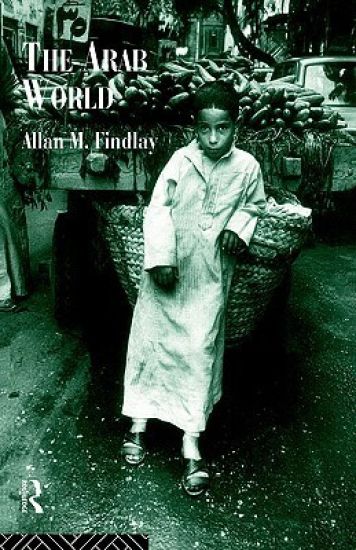
Disruption following the Gulf War, and the need to satisfy both rising economic aspirations and the Islamic values of the region's peoples, demands fresh examination of development issues in the Arab world. This introductory text assesses how agricultural, industrial and urban development has evolved in the Arab region. Contrasting Arab and Western interpretations of `development', it draws on case studies covering states as diverse as Saudi Arabia, Yemen, Morocco and Jordan. The author suggests that until the Arabs define their own identity, there will continue to be `change' but not necessarily `progress' in the region.
Retailing Environments in Developing Countries

Retailing Environments in Developing Countries

John Dawson; Allan M Findlay; Ronan Paddison

Routledge
2016
nidottu
Retailing in less developed countries can take any number of forms and fulfils a wide range of different needs. As this book shows it is susceptible to cultural as well as to economic forces and it needs to be analysed in terms of both global economic shifts and place-specific social and economic formations.
The Arab World

The Arab World

Allan M. Findlay

Routledge
1994
nidottu
Disruption following the Gulf War, and the need to satisfy both rising economic aspirations and the Islamic values of the region's peoples, demands fresh examination of development issues in the Arab world. This introductory text assesses how agricultural, industrial and urban development has evolved in the Arab region. Contrasting Arab and Western interpretations of `development', it draws on case studies covering states as diverse as Saudi Arabia, Yemen, Morocco and Jordan. The author suggests that until the Arabs define their own identity, there will continue to be `change' but not necessarily `progress' in the region.
Retailing Environments in Developing Countries

Retailing Environments in Developing Countries

John Dawson; Allan M Findlay; Ronan Paddison

Routledge
1990
sidottu
Retailing in less developed countries can take any number of forms and fulfils a wide range of different needs. As this book shows it is susceptible to cultural as well as to economic forces and it needs to be analysed in terms of both global economic shifts and place-specific social and economic formations.
Population and Development in the Third World

Population and Development in the Third World

Allan M. Findlay; Anne Findlay

Routledge
1987
nidottu
Allan and Anne Findlay argue that a nation's human population is a vital resource in the development process. Changes in its composition - increased life expectancy combined with a falling birth rate, for example - can have profound effects upon a society. Warfare and mass migration of male workers also have long-reaching effects on those left behind. The rapid growth of Third World populations has often incorrectly been identified as the major force preventing more rapid economic development. Population pressure has been known to generate technological breakthroughs. Their final chapter examines family planning programmes, and concludes by asking who benefits most from population policies and questioning the right of developed countries to advocate family planning programmes for Third World nations.