Kirjojen hintavertailu. Mukana 12 390 323 kirjaa ja 12 kauppaa.

Kirjailija

Alma Gottlieb

Kirjat ja teokset yhdessä paikassa: 8 kirjaa, julkaisuja vuosilta 1994-2016, suosituimpien joukossa Under the Kapok Tree. Vertaile teosten hintoja ja tarkista saatavuus suomalaisista kirjakaupoista.

8 kirjaa

Kirjojen julkaisuhaarukka 1994-2016.

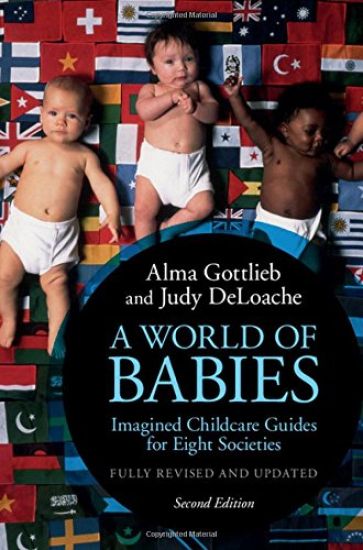
A World of Babies

A World of Babies

Alma Gottlieb; Judy S. DeLoache

Cambridge University Press
2016
sidottu
Should babies sleep alone in cribs, or in bed with parents? Is talking to babies useful, or a waste of time? A World of Babies provides different answers to these and countless other childrearing questions, precisely because diverse communities around the world hold drastically different beliefs about parenting. While celebrating that diversity, the book also explores the challenges that poverty, globalization and violence pose for parents. Fully updated for the twenty-first century, this edition features a new introduction and eight new or revised case studies that directly address contemporary parenting challenges, from China and Peru to Israel and the West Bank. Written as imagined advice manuals to parents, the creative format of this book brings alive a rich body of knowledge that highlights many models of baby-rearing - each shaped by deeply held values and widely varying cultural contexts. Parenthood may never again seem a matter of 'common sense'.
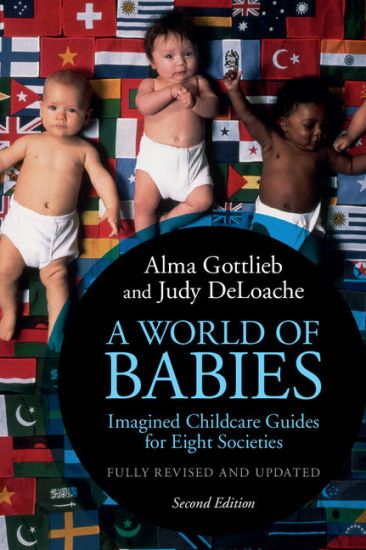
A World of Babies

A World of Babies

Alma Gottlieb; Judy S. DeLoache

Cambridge University Press
2016
pokkari
Should babies sleep alone in cribs, or in bed with parents? Is talking to babies useful, or a waste of time? A World of Babies provides different answers to these and countless other childrearing questions, precisely because diverse communities around the world hold drastically different beliefs about parenting. While celebrating that diversity, the book also explores the challenges that poverty, globalization and violence pose for parents. Fully updated for the twenty-first century, this edition features a new introduction and eight new or revised case studies that directly address contemporary parenting challenges, from China and Peru to Israel and the West Bank. Written as imagined advice manuals to parents, the creative format of this book brings alive a rich body of knowledge that highlights many models of baby-rearing - each shaped by deeply held values and widely varying cultural contexts. Parenthood may never again seem a matter of 'common sense'.
Braided Worlds

Braided Worlds

Alma Gottlieb; Philip Graham

University of Chicago Press
2012
nidottu
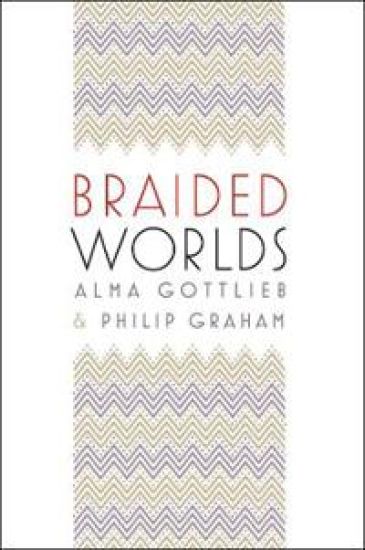
In a compelling mix of literary narrative and ethnography, anthropologist Alma Gottlieb and writer Philip Graham continue the long journey of cultural engagement with the Beng people of Cote d'Ivoire that they first recounted in their award-winning memoir Parallel Worlds. Their commitment over the span of several decades has lent them a rare insight. Braiding their own stories with those of the villagers of Asagbe and Kosangbe, Gottlieb and Graham take turns recounting a host of unexpected dramas with these West African villages, prompting serious questions about the fraught nature of cultural contact. Through events such as a religious leader's declaration that the authors' six-year-old son, Nathaniel, is the reincarnation of a revered ancestor, or Graham's late father being accepted into the Beng afterlife, or the increasing, sometimes dangerous madness of a villager, the authors are forced to reconcile their anthropological and literary gaze with the deepest parts of their personal lives. Along with these intimate dramas, they follow the Beng from times of peace through the times of tragedy that led to Cote d'Ivoire's recent civil conflicts. From these and many other interweaving narratives - and with the combined strengths of an anthropologist and a literary writer - "Braided Worlds" examines the impact of postcolonialism, race, and global inequity at the same time that it chronicles a living, breathing village community where two very different worlds meet.
Braided Worlds

Braided Worlds

Alma Gottlieb; Philip Graham

University of Chicago Press
2012
sidottu
In a compelling mix of literary narrative and ethnography, anthropologist Alma Gottlieb and writer Philip Graham continue the long journey of cultural engagement with the Beng people of Cote d'Ivoire that they first recounted in their award-winning memoir Parallel Worlds. Their commitment over the span of several decades has lent them a rare insight. Braiding their own stories with those of the villagers of Asagbe and Kosangbe, Gottlieb and Graham take turns recounting a host of unexpected dramas with these West African villages, prompting serious questions about the fraught nature of cultural contact. Through events such as a religious leader's declaration that the authors' six-year-old son, Nathaniel, is the reincarnation of a revered ancestor, or Graham's late father being accepted into the Beng afterlife, or the increasing, sometimes dangerous madness of a villager, the authors are forced to reconcile their anthropological and literary gaze with the deepest parts of their personal lives. Along with these intimate dramas, they follow the Beng from times of peace through the times of tragedy that led to Cote d'Ivoire's recent civil conflicts. From these and many other interweaving narratives - and with the combined strengths of an anthropologist and a literary writer - "Braided Worlds" examines the impact of postcolonialism, race, and global inequity at the same time that it chronicles a living, breathing village community where two very different worlds meet.
The Afterlife Is Where We Come From

The Afterlife Is Where We Come From

Alma Gottlieb

University of Chicago Press
2004
sidottu
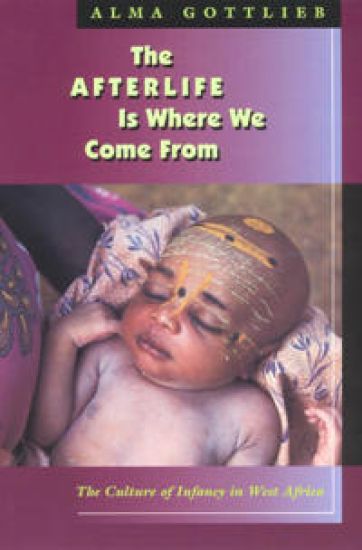
When a new baby arrives among the Beng people of West Africa, they see it not as being born, but as being reincarnated after a rich life in a previous world. Far from being a tabula rasa, a Beng infant is thought to begin its life filled with spiritual knowledge. How do these beliefs affect the way the Beng rear their children?In this unique and engaging ethnography of babies, Alma Gottlieb explores how religious ideology affects every aspect of Beng childrearing practices—from bathing infants to protecting them from disease to teaching them how to crawl and walk—and how widespread poverty limits these practices. A mother of two, Gottlieb includes moving discussions of how her experiences among the Beng changed the way she saw her own parenting. Throughout the book she also draws telling comparisons between Beng and Euro-American parenting, bringing home just how deeply culture matters to the way we all rear our children.All parents and anyone interested in the place of culture in the lives of infants, and vice versa, will enjoy The Afterlife Is Where We Come From."This wonderfully reflective text should provide the impetus for formulating research possibilities about infancy and toddlerhood for this century." — Caren J. Frost, Medical Anthropology Quarterly “Alma Gottlieb’s careful and thought-provoking account of infancy sheds spectacular light upon a much neglected topic. . . . [It] makes a strong case for the central place of babies in anthropological accounts of religion. Gottlieb’s remarkably rich account, delivered after a long and reflective period of gestation, deserves a wide audience across a range of disciplines.”—Anthony Simpson, Critique of Anthropology
The Afterlife Is Where We Come From

The Afterlife Is Where We Come From

Alma Gottlieb

University of Chicago Press
2004
nidottu
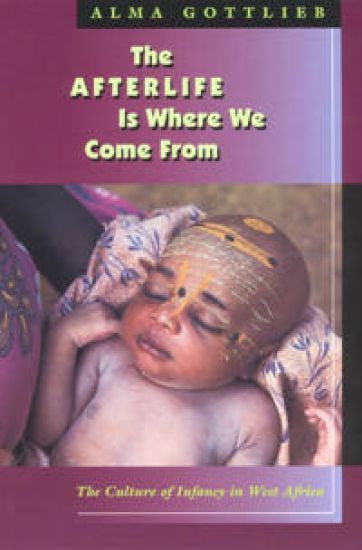
When a new baby arrives among the Beng people of West Africa, they see it not as being born, but as being reincarnated after a rich life in a previous world. Far from being a tabula rasa, a Beng infant is thought to begin its life filled with spiritual knowledge. How do these beliefs affect the way the Beng rear their children?In this unique and engaging ethnography of babies, Alma Gottlieb explores how religious ideology affects every aspect of Beng childrearing practices—from bathing infants to protecting them from disease to teaching them how to crawl and walk—and how widespread poverty limits these practices. A mother of two, Gottlieb includes moving discussions of how her experiences among the Beng changed the way she saw her own parenting. Throughout the book she also draws telling comparisons between Beng and Euro-American parenting, bringing home just how deeply culture matters to the way we all rear our children.All parents and anyone interested in the place of culture in the lives of infants, and vice versa, will enjoy The Afterlife Is Where We Come From."This wonderfully reflective text should provide the impetus for formulating research possibilities about infancy and toddlerhood for this century." — Caren J. Frost, Medical Anthropology Quarterly “Alma Gottlieb’s careful and thought-provoking account of infancy sheds spectacular light upon a much neglected topic. . . . [It] makes a strong case for the central place of babies in anthropological accounts of religion. Gottlieb’s remarkably rich account, delivered after a long and reflective period of gestation, deserves a wide audience across a range of disciplines.”—Anthony Simpson, Critique of Anthropology
Under the Kapok Tree

Under the Kapok Tree

Alma Gottlieb

University of Chicago Press
1996
nidottu
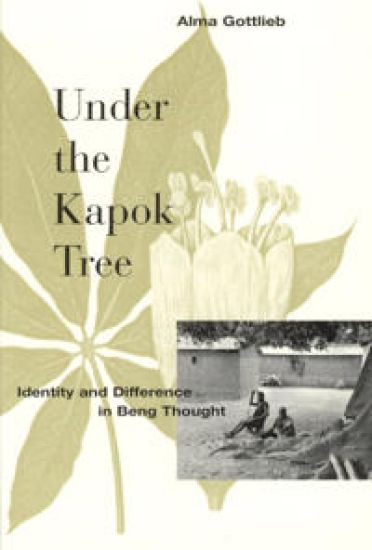
In this companion volume to "Parallel Worlds," Alma Gottlieb explores ideology and social practices among the Beng people of Cote d'Ivoire. Employing symbolic and postmodern perspectives, she highlights the dynamically paired notions of identity and difference, symbolized by the kapok tree planted at the centre of every Beng village.
Parallel Worlds

Parallel Worlds

Alma Gottlieb; Philip Graham

University of Chicago Press
1994
nidottu
This suspenseful and moving memoir of Africa recounts the experiences of Alma Gottlieb, an anthropologist, and Philip Graham, a fiction writer, as they lived in two remote villages in the rain forest of Cote d'Ivoire. With an unusual coupling of first-person narratives, their alternate voices tell a story imbued with sweeping narrative power, humility, and gentle humor. Parallel Worlds is a unique look at Africa, anthropological fieldwork, and the artistic process.