Kirjojen hintavertailu. Mukana 12 390 323 kirjaa ja 12 kauppaa.

Kirjailija

Alun Lewis

Kirjat ja teokset yhdessä paikassa: 7 kirjaa, julkaisuja vuosilta 1995-2015, suosituimpien joukossa Alun Lewis. Vertaile teosten hintoja ja tarkista saatavuus suomalaisista kirjakaupoista.

7 kirjaa

Kirjojen julkaisuhaarukka 1995-2015.

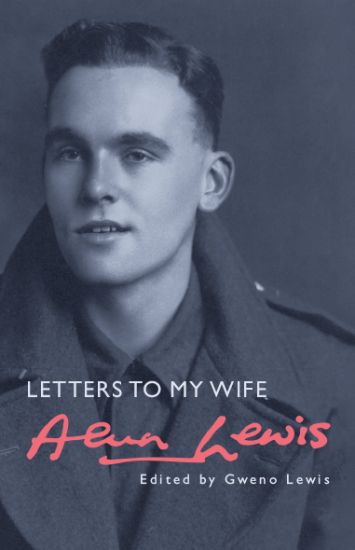
Alun Lewis: Letter to my Wife
Soldier and poet Alun Lewis wrote frequently to his family, friends and other writers such as Robert Graves. Mostly these letters are uncollected. Those that have been published received high praise, and were compared to Keats's letters by critic Walter Allen. Letters to My Wife includes over 240 letters to his wife Gweno Ellis, beginning with his enlistment and continuing until his death in Burma in 1944. From them emerges a unique account of daily army life, of the phoney war in Britain and with descriptions of the journey to India via Brazil and South Africa. The letters also shed light on Lewis' development to become the writer of World War Two, with first hand references to his popular poems and stories, how they originated and how they were first published. Above all, Lewis's letters testify to his love for his war bride Gweno, whom he married in July 1941 before embarkation. Letters to My Wife is the story of Alun Lewis's war.
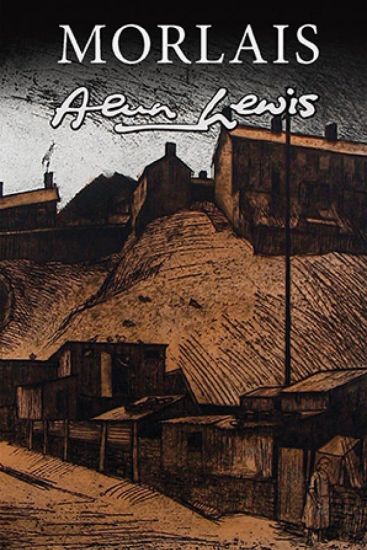
Morlais

Morlais

Alun Lewis

Seren
2015
sidottu
Morlais is Alun Lewis’s unpublished novel from the late 1930s. The Lawrentian story of a young boy growing up in the poverty stricken industrial valleys of south Wales, it is also reflects Lewis’ own experiences, particularly his search for self knowledge and his conviction that he would be a writer. Miner’s son Morlais Jenkins is already being educated away from his background at grammar school when he is adopted, on the death of her own son, by the wife of the local local colliery owner. Morlais’ parents recognize the opportunity for their son to make a better future, but they must all pay a great price. Stifled by middle class life, his adoptive mother recognizes that Morlais will be a poet and encourages him to be neither working class or middle class, but true to his talent. Full of vivid descriptive passages of life in the fictional mining valley, and centred on the conflicted character of Morlais and the decisions he faces over his two families, his two social backgrounds, and his desire to be a poet, the novel is an enthralling journey through the life of a young boy becoming a young man. Alun Lewis (1915-1944) was the outstanding writer of World War II and Morlais, written in his mid twenties, is an early indication of the talented writer he would become just five years later.
Alun Lewis

Alun Lewis

Alun Lewis

Seren
2007
nidottu
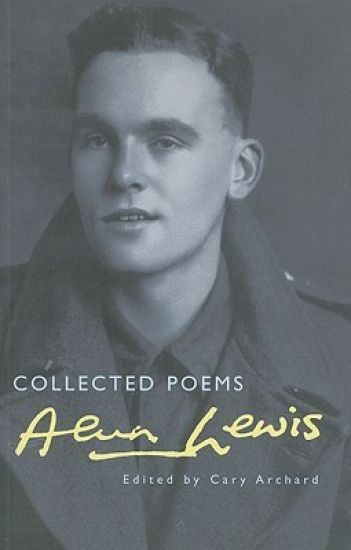
The poems of one of the great British writers of World War II are compiled in this collection of war poetry whose brilliance and scope transcends its genre. Widely considered the last works in the Romantic style, the poetry is characterized by a vivid realism and emotional power. The poems spans the length of its artist's late adolescence and early adulthood, tracing the developing mastery of the poet and serving as a tragic testament to the lost potential of a literary figure whose accidental death at the age of 28 prevented him from reaching the full height of his artistic power.
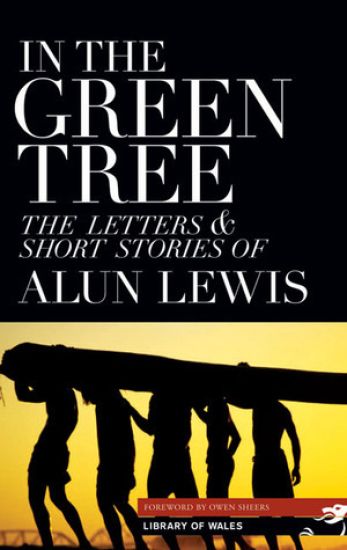
In the Green Tree

In the Green Tree

Alun Lewis

Parthian Books
2006
nidottu
Through his letters home and six short stories. Alun Lewis paints a vibrant picture of life in India as a British serviceman during World War II. Intimate, vivid, observational, and always filled with emotion. In the Green Tree is a rare literary example of one Welshman's experience of empire and war.
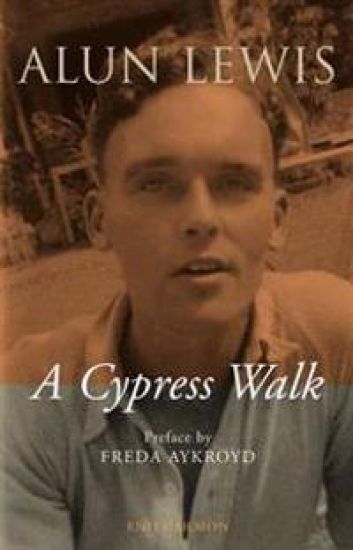
Cypress Walk. Letters from Alun Lewis to Freda Aykroyd
In July 1943, the young Welsh poet and soldier Alun Lewis, already recognised as one of the outstanding writers of his generation, arrived on sick leave at the house near Madras of Freda Aykroyd, a devotee of literature and the wife of a British scientist. Lewis and Aykroyd fell in love instantly, recognising in each other similar temperaments and artistic interests. Their affair, which lasted until Lewis' mysterious death on the Arakan Front in March 1944, inspired some of the finest of his wartime poems as well as an extraordinary cache of letters published here for the first time. The letters throw fresh light on Lewis' passionate and troubled nature and the background to his literary output at a time when he was at the height of his creative powers. In her preface, Freda Aykroyd charts the haunting story of their relationship and its tragic outcome.
Alun Lewis

Alun Lewis

Alun Lewis; John Pikoulis

Seren
1995
nidottu
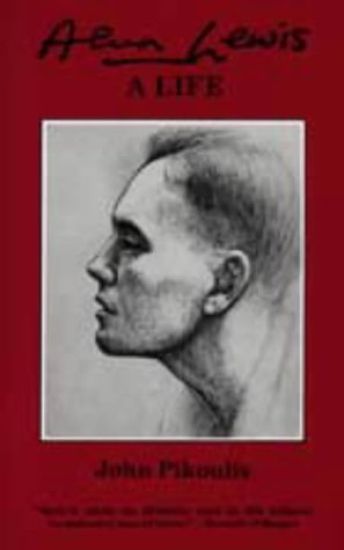
Alun Lewis (1915-1944) is one of the most impressive and important writers of the 20th century. The leading author of World War Two, perhaps the leading poet, he is still an influential figure, particularly in his native Wales. In this new and revised edition of his biography John Pikoulis draws on unpublished material and Lewis's now extensively available work to present a portrait of the man: passionate, thoughtful, serious with an often romantic nature. From his childhood days in the depressed valleys of south Wales, Lewis felt he had a vocation to be a writer. Pikoulis traces Lewis's development from the remarkable schoolboy stories written as an unhappy boarder, through his university education at Aberystwyth and Manchester to his return to the valleys as a teacher. His extended treatment of Lewis's military service, especially in India and Burma (where he was to die aged twenty-eight), reflects his standing as a war writer. Lewis's poems and stories, authentic and moving, were popular with both readers and critics, catching the tone of the 'phoney war' years and later the disturbing but exciting experience of his war in India. His vivid letters home, which have been compared to Keats's letters, capture both the atmosphere of war and the essence of Lewis's character, and Pikoulis draws on them, and on contemporary photographs, to portray a fascinating man and writer. Dr. John Pikoulis is a lecturer in the Department of Continuing Studies at Cardiff University. His other books include a critical study of William Faulkner.
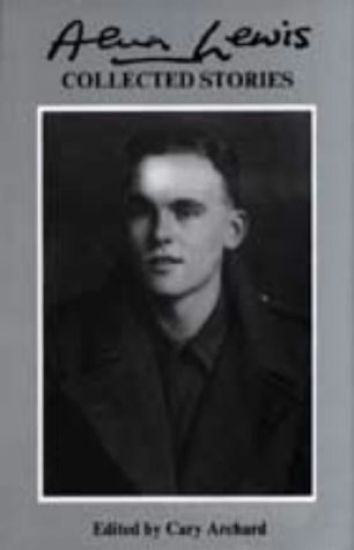
Collected Stories of Alun Lewis

Collected Stories of Alun Lewis

Alun Lewis; Cary Archard

Seren
1995
nidottu
Alun Lewis (1915-1944) was one of the few great British writers of the Second World War. His early death at the age of twenty-eight robbed Wales of its most promising poet and story writer. Although he had been writing since an early age, becoming a soldier had a stimulating effect on Lewis's writing: his first book of poems, Raiders' Dawn, was published in 1942, and The Last Inspection, a collection of stories, appeared in the same year, alerting critics and editors to the arrival of a new war writer. Both books are characterised by vivid realism and emotional power.Later in 1942 Lewis's new regiment, the South Wales Borderers, travelled to India. His experiences there are recreated in the beautiful poems of Ha! Ha! Among the Trumpets and the stories and letters of In the Green Tree. On the reputation of these four books Alun Lewis is widely seen, with Keith Douglas, as the outstanding writer of World War Two.Collected Stories reprints the war stories in their entirety for the first time. It also collects stories published in student magazines and newspapers such as The Guardian, together with several previously unseen. In bringing together all this material, editor Cary Archard shows Lewis's development from remarkable schoolboy writer to mature and established author whose stories appeared in magazines such as Horizon and Lilliput. "... one of the mightiest poets and fiction writers of the twentieth century... a superb Collected Stories" Richard Simpson, Tar River Poetry"So lyrical, so larky, that, almost unconsciously, one starts to read them aloud to an empty room"Sunday Times"Each story is a gem, full of wise understanding of human experience, and deeply moving"PN Review"Stories of such artistry that one is inclined to reread them immediately to savour the moments they capture" Publishers' WeeklyAlun Lewis (1915-1944), the remarkable poet and short story writer, died, aged twenty-eight, in Burma in the Second World War. Some critics see him as the last of the great Romantic poets, a twentieth century Keats. Others describe his poetry as the path from pre-war Yeats and Auden to post-war poets like Hughes and Gunn. In Wales there are those who think his greater versatility and finer intelligence place him above his contemporaries Dylan Thomas and R.S. Thomas.