Kirjojen hintavertailu. Mukana 12 595 353 kirjaa ja 12 kauppaa.

Kirjailija

Amalia Mesa-Bains

Kirjat ja teokset yhdessä paikassa: 5 kirjaa, julkaisuja vuosilta 1994-2023, suosituimpien joukossa A Facilitator's Guide To Diversity in the Classroom. Vertaile teosten hintoja ja tarkista saatavuus suomalaisista kirjakaupoista.

5 kirjaa

Kirjojen julkaisuhaarukka 1994-2023.

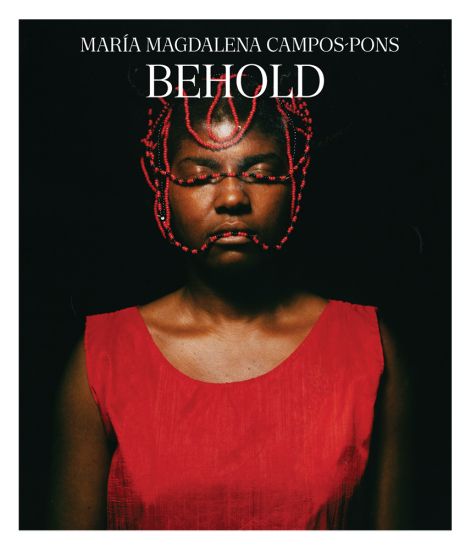
Maria Magdalena Campos-Pons - Behold

Maria Magdalena Campos-Pons - Behold

Carmen Hermo; Mazie M. Harris; Jenee-daria Strand; Selene Wendt; Phillip Townsend; Amalia Mesa-bains

GETTY TRUST PUBLICATIONS
2023
sidottu
Maria Magdalena Campos-Pons (b. 1959) makes powerful work that holds and beholds the stories of historically silenced peoples and urges societal change. Her journey as an artist, teacher, and activist has taken her from Cuba through the United States, and her autobiographical compositions honor her Nigerian and Chinese ancestors while also facing the future. With an artistic practice that crosses boundaries, intertwines media-from photography to sculpture, film to performance-and references traditions and beliefs ranging from feminism to Santeria Campos-Pons's work is deeply layered and complex. This volume, the first critical look at the artist's oeuvre in nearly two decades, surveys the concerns, materials, and places invoked throughout her forty-year career. Thoughtful essays explore her vibrant, arresting artwork, which confronts issues of agency and the construction of race and belonging and challenges us to reckon with these issues in our own lives.
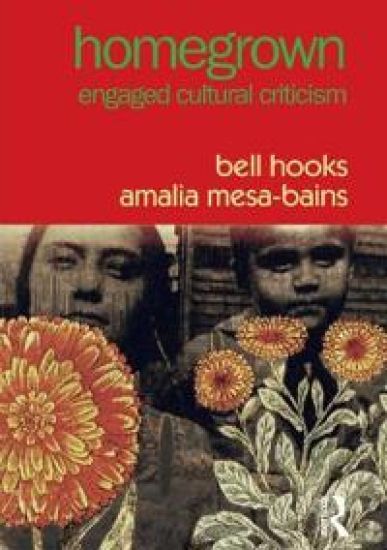
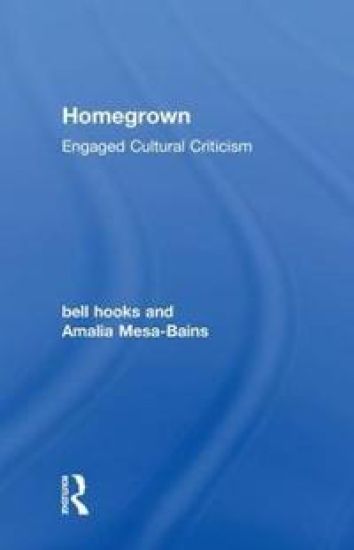
Homegrown

Homegrown

Bell Hooks; Amalia Mesa-Bains

Routledge
2017
nidottu
In Homegrown, cultural critics bell hooks and Amalia Mesa-Bains reflect on the innate solidarity between Black and Latino culture. Riffing on everything from home and family to multiculturalism and the mass media, hooks and Mesa-Bains invite readers to re-examine and confront the polarizing mainstream discourse about Black-Latino relationships that is too often negative in its emphasis on political splits between people of color. A work of activism through dialogue, Homegrown is a declaration of solidarity that rings true even ten years after its first publication. This new edition includes a new afterword, in which Mesa-Bains reflects on the changes, conflicts, and criticisms of the last decade.
Homegrown

Homegrown

Bell Hooks; Amalia Mesa-Bains

Routledge
2017
sidottu
In Homegrown, cultural critics bell hooks and Amalia Mesa-Bains reflect on the innate solidarity between Black and Latino culture. Riffing on everything from home and family to multiculturalism and the mass media, hooks and Mesa-Bains invite readers to re-examine and confront the polarizing mainstream discourse about Black-Latino relationships that is too often negative in its emphasis on political splits between people of color. A work of activism through dialogue, Homegrown is a declaration of solidarity that rings true even ten years after its first publication. This new edition includes a new afterword, in which Mesa-Bains reflects on the changes, conflicts, and criticisms of the last decade.
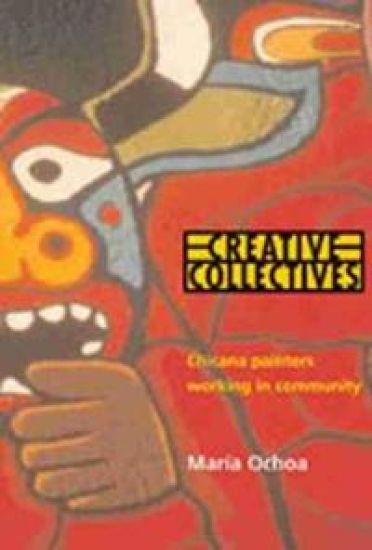
Creative Collectives

Creative Collectives

Maria Ochoa; Amalia Mesa-Bains

University of New Mexico Press
2003
sidottu
A compelling blend of art history, social analysis, and personal testimony, this book presents a new paradigm for understanding Chicana/o studies. By following the artistic and ideological journeys of two groups of northern California Chicana artists, Maria Ochoa argues that the women involved in these collectives created complex images whose powerful visual social commentary sprang from the daily experiences of their lives. Ochoa's artistic narrative first focuses on Mujeres Muralistas, a path-breaking San Francisco group of mural painters organised in the early 1970s at the height of the Chicana/o Movement. The story then turns its attention to Co-Madres Artistas, a group of artists who came together in the 1990s after spending decades tending their families, becoming successful in their careers, and launching key Chicana/o cultural institutions in the Sacramento Valley. Ochoa tells the stories of the individual members of these collectives to show how they combined art and activism. Through an innovative application of oral history interviews, a fascinating compilation of individual and collective stories emerges.