Kirjojen hintavertailu. Mukana 12 437 030 kirjaa ja 12 kauppaa.

Kirjailija

Amila Buturovic

Kirjat ja teokset yhdessä paikassa: 3 kirjaa, julkaisuja vuosilta 2016-2024, suosituimpien joukossa Carved in Stone, Etched in Memory. Vertaile teosten hintoja ja tarkista saatavuus suomalaisista kirjakaupoista.

3 kirjaa

Kirjojen julkaisuhaarukka 2016-2024.

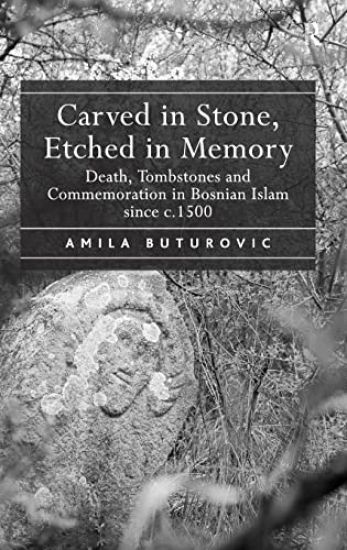
Carved in Stone, Etched in Memory

Carved in Stone, Etched in Memory

Amila Buturovic

TAYLOR FRANCIS LTD
2024
nidottu
Despite the recent history of violence and destruction, Bosnia-Herzegovina holds a positive place in history, marked by a continuous interweaving of different religious cultures. The most expansive period in that regard is the Ottoman rule that lasted here nearly five centuries. As many Bosnians accepted Islam, the process of Islamization took on different directions and meanings, only some of which are recorded in the official documents. This book underscores the importance of material culture, specifically gravestones, funerary inscriptions and images, in tracing and understanding more subtle changes in Bosnia’s religious landscape and the complex cultural shifts and exchange between Christianity and Islam in this area. Gravestones are seen as cultural spaces that inscribe memory, history, and heritage in addition to being texts that display, in image and word, first-hand information about the deceased. In tackling these topics and ideas, the study is situated within several contextual, theoretical, and methodological frameworks. Raising questions about religious identity, history, and memory, the study unpacks the cultural and historical value of gravestones and other funerary markers and bolsters their importance in understanding the region’s complexity and improving its visibility in global discussions around multiculturalism and religious pluralism. Drawing upon several disciplinary methods, the book has much to offer anyone looking for a better understanding of the intersection of Christianity and Islam, as well as those with an interest in death studies.
Architecture of Coexistence: Building Pluralism

Architecture of Coexistence: Building Pluralism

Mohammad al-Asad; Ali S. Asani; Simon Burtscher-Matis; Amila Buturovic; Farrokh Derakhshani; Robert Fabach; Eva Grabherr; Amra Hadžimuhamedovic; Tina Gudrun Jensen; Jennifer Mack; Nasser Rabbat; Barbara Steiner; Helen Walasek; Wolfgang Welsch; Azra Akšamija

ArchiTangle GmbH
2020
sidottu
Architecture of Coexistence: Building Pluralism This book investigates how architecture can shape an open-minded and inclusive society, highlighting three internationally renowned projects: the White Mosque in Visoko, Bosnia-Herzegovina (1980); the Islamic Cemetery Altach in Altach, Austria (2012); and the Superkilen public park in Copenhagen, Denmark (2012). Scholarly essays across various disciplines, along with interviews with the architects and users of these projects, provide intriguing insights into architecture’s ability to bridge cultural differences. Soliciting a wide array of questions about migration, transculturalism, visibility, inclusion, and exclusion, the book sheds light on the long-term social processes generated between architectural form and its users. Architecture of Coexistence offers a truly interdisciplinary perspective on a very timely subject: “Building pluralism” means designing for a respectful inclusion of different cultural needs, practices, and traditions. With contributions by Azra Akšamija, Mohammad al-Asad, Ali S. Asani, Simon Burtscher-Matis, Amila Buturovic, Farrokh Derakhshani, Robert Fabach, Eva Grabherr, Amra Hadžimuhamedovic, Tina Gudrun Jensen, Jennifer Mack, Nasser Rabbat, Barbara Steiner, Helen Walasek and Wolfgang Welsch. Photo essays by Velibor Božovic, Cemal Emden, Jesper Lambaek, and Nikolaus Walter.
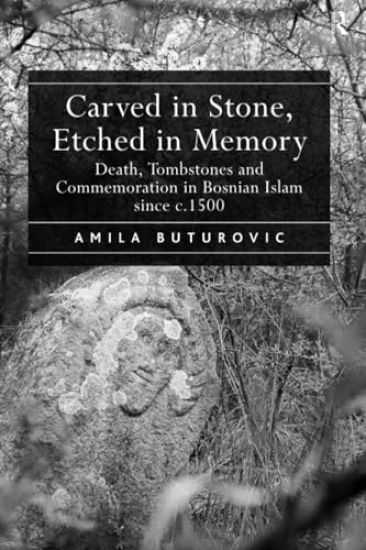
Carved in Stone, Etched in Memory

Carved in Stone, Etched in Memory

Amila Buturovic

Routledge
2016
sidottu
Despite the recent history of violence and destruction, Bosnia-Herzegovina holds a positive place in history, marked by a continuous interweaving of different religious cultures. The most expansive period in that regard is the Ottoman rule that lasted here nearly five centuries. As many Bosnians accepted Islam, the process of Islamization took on different directions and meanings, only some of which are recorded in the official documents. This book underscores the importance of material culture, specifically gravestones, funerary inscriptions and images, in tracing and understanding more subtle changes in Bosnia’s religious landscape and the complex cultural shifts and exchange between Christianity and Islam in this area. Gravestones are seen as cultural spaces that inscribe memory, history, and heritage in addition to being texts that display, in image and word, first-hand information about the deceased. In tackling these topics and ideas, the study is situated within several contextual, theoretical, and methodological frameworks. Raising questions about religious identity, history, and memory, the study unpacks the cultural and historical value of gravestones and other funerary markers and bolsters their importance in understanding the region’s complexity and improving its visibility in global discussions around multiculturalism and religious pluralism. Drawing upon several disciplinary methods, the book has much to offer anyone looking for a better understanding of the intersection of Christianity and Islam, as well as those with an interest in death studies.