Kirjojen hintavertailu. Mukana 12 390 323 kirjaa ja 12 kauppaa.

Kirjailija

Amy E. Hughes

Kirjat ja teokset yhdessä paikassa: 4 kirjaa, julkaisuja vuosilta 2012-2025, suosituimpien joukossa Spectacles of Reform. Vertaile teosten hintoja ja tarkista saatavuus suomalaisista kirjakaupoista.

4 kirjaa

Kirjojen julkaisuhaarukka 2012-2025.

An Actor's Tale

An Actor's Tale

Amy E. Hughes

THE UNIVERSITY OF MICHIGAN PRESS
2025
nidottu
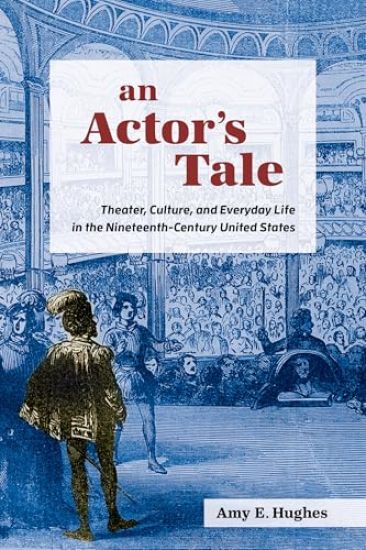
Harry Watkins was no one special. During a career that spanned four decades, this nineteenth-century actor yearned for fame, but merely skirted the edges of it. He performed alongside the brightest stars, wrote scores of plays, and toured the United States and England, but he never became a household name. Inspired by this average performer's life and labor, An Actor's Tale offers an alternative history of nineteenth-century theater, focusing on the daily rhythms and routines of theatrical life rather than the celebrated people, plays, and exceptional events that tend to dominate histories of US theater and performance. In the process, Hughes asks uncomfortable questions about the existence, predominance, and erasure of White male mediocrity in American culture, both in the past and present. When historians focus only on performers and plays with artistic "merit," what communities, perspectives, and cultural trends remain invisible? How did men like Watkins advance themselves professionally, despite their mediocrity? Why did they embrace and perpetuate myths like the American Dream, the "self-made man," and meritocracy, and how have these ideals shaped casting, producing, and celebrity worship in today's US entertainment industry? Ultimately, Hughes reveals how this actor's tale illuminates the widespread tendency to ignore, deny, and forgive White male mediocrity in American culture, and how a deeper understanding of people like Watkins can transform our understanding of the past--and our understanding of ourselves.
Spectacles of Reform

Spectacles of Reform

Amy E. Hughes

The University of Michigan Press
2014
nidottu
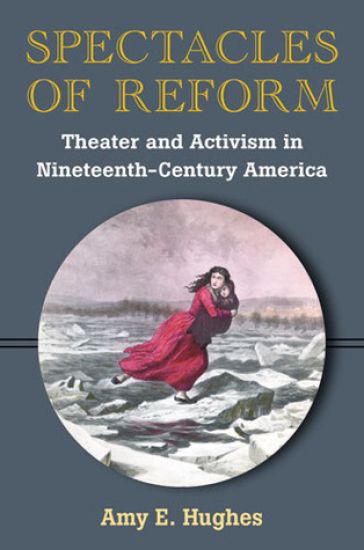
In the nineteenth century, long before film and television brought us explosions, car chases, and narrow escapes, it was America's theaters that thrilled audiences, with “sensation scenes” of speeding trains, burning buildings, and endangered bodies, often in melodramas extolling the virtues of temperance, abolition, and women's suffrage. Amy E. Hughes scrutinizes these peculiar intersections of spectacle and reform, revealing the crucial role that spectacle has played in American activism and how it has remained central to the dramaturgy of reform. Hughes traces the cultural history of three famous sensation scenes—the drunkard with the delirium tremens, the fugitive slave escaping over a river, and the victim tied to the railroad tracks—assessing how these scenes conveyed, allayed, and denied concerns about the rights and responsibilities of citizenship. These images also appeared in printed propaganda, suggesting that the coup de théâtre was an essential part of American reform culture. Additionally, Hughes argues that today’s producers and advertisers continue to exploit the affective dynamism of spectacle, reaching an even broader audience through film, television, and the Internet.To be attuned to the dynamics of spectacle, Hughes argues, is to understand how we see. Her book will interest not only theater historians, but also scholars and students of political, literary, and visual culture who are curious about how U.S. citizens saw themselves and their world during a pivotal period in American history.
An Actor's Tale

An Actor's Tale

Amy E. Hughes

THE UNIVERSITY OF MICHIGAN PRESS
2025
sidottu
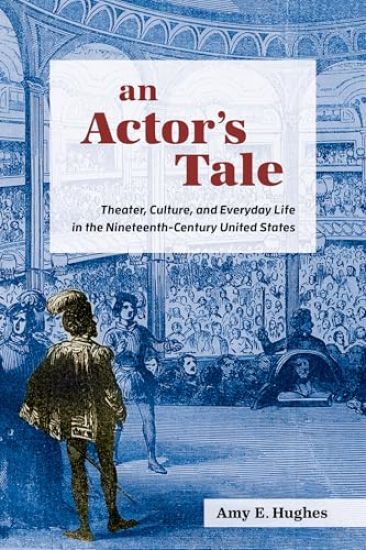
Harry Watkins was no one special. During a career that spanned four decades, this nineteenth-century actor yearned for fame, but merely skirted the edges of it. He performed alongside the brightest stars, wrote scores of plays, and toured the United States and England, but he never became a household name. Inspired by this average performer’s life and labor, An Actor’s Tale offers an alternative history of nineteenth-century theater, focusing on the daily rhythms and routines of theatrical life rather than the celebrated people, plays, and exceptional events that tend to dominate histories of US theater and performance. In the process, Hughes asks uncomfortable questions about the existence, predominance, and erasure of White male mediocrity in American culture, both in the past and present. When historians focus only on performers and plays with artistic “merit,” what communities, perspectives, and cultural trends remain invisible? How did men like Watkins advance themselves professionally, despite their mediocrity? Why did they embrace and perpetuate myths like the American Dream, the “self-made man,” and meritocracy, and how have these ideals shaped casting, producing, and celebrity worship in today’s US entertainment industry? Ultimately, Hughes reveals how this actor’s tale illuminates the widespread tendency to ignore, deny, and forgive White male mediocrity in American culture, and how a deeper understanding of people like Watkins can transform our understanding of the past—and our understanding of ourselves.
Spectacles of Reform

Spectacles of Reform

Amy E. Hughes

The University of Michigan Press
2012
sidottu
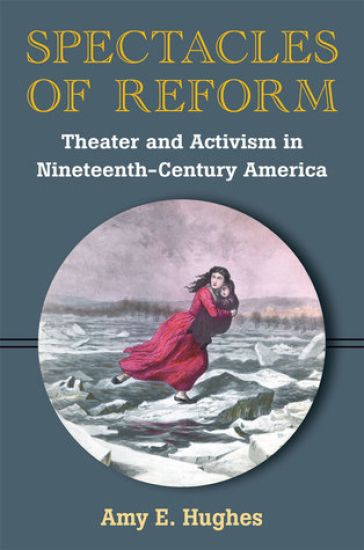
In the nineteenth century, long before film and television brought us explosions, car chases, and narrow escapes, it was America's theaters that thrilled audiences, with “sensation scenes” of speeding trains, burning buildings, and endangered bodies, often in melodramas extolling the virtues of temperance, abolition, and women's suffrage. Amy E. Hughes scrutinizes these peculiar intersections of spectacle and reform, revealing the crucial role that spectacle has played in American activism and how it has remained central to the dramaturgy of reform. Hughes traces the cultural history of three famous sensation scenes—the drunkard with the delirium tremens, the fugitive slave escaping over a river, and the victim tied to the railroad tracks—assessing how these scenes conveyed, allayed, and denied concerns about the rights and responsibilities of citizenship. These images also appeared in printed propaganda, suggesting that the coup de théâtre was an essential part of American reform culture. Additionally, Hughes argues that today’s producers and advertisers continue to exploit the affective dynamism of spectacle, reaching an even broader audience through film, television, and the Internet.To be attuned to the dynamics of spectacle, Hughes argues, is to understand how we see. Her book will interest not only theater historians, but also scholars and students of political, literary, and visual culture who are curious about how U.S. citizens saw themselves and their world during a pivotal period in American history.