Kirjojen hintavertailu. Mukana 12 390 323 kirjaa ja 12 kauppaa.

Kirjailija

Anders Strindberg

Kirjat ja teokset yhdessä paikassa: 4 kirjaa, julkaisuja vuosilta 2011-2023, suosituimpien joukossa Religion, migration och polisiärt arbete. Vertaile teosten hintoja ja tarkista saatavuus suomalaisista kirjakaupoista.

4 kirjaa

Kirjojen julkaisuhaarukka 2011-2023.

Religion, migration och polisiärt arbete

Religion, migration och polisiärt arbete

Göran Larsson; Simon Sorgenfrei; Tanja Viklund; Micael Björk; Per Brinkemo; Thomas Bull; Per-Olof Hellqvist; Jonas Lindström; Peter Lindström; Jenny Madestam; Christer Mattsson; Susanne Olsson; Niclas Persgården; Tove Pettersson; Johan Rosquist; Amir Rostami; Hans-Olof Sandén; Anders Strindberg; David Thurfjell; Malin Wieslander; Malin Eklund Wimelius; Karin Åström

Studentlitteratur AB
2023
nidottu
På några decennier har Sverige gått från att vara etniskt och religiöst relativt homogent till att bli ett av Europas mest mångreligiösa länder. Religion, migration och polisiärt arbete beskriver några av de utmaningar och möjligheter polisen kan ställas inför i ett pluralistiskt samhälle. I boken varvas teoretiska perspektiv med konkreta exempel på polisiärt arbete relaterat till religion och migration. Bokens kapitel är skrivna av forskare och praktiker verksamma inom olika områden, och behandlar en lång rad ämnen: religions­frihetslagstiftning, segregation, hatbrott, globala konflikter med lokala konsekvenser, klanstrukturer, hedersvåld, våldsbejakande extremism, bemötandestrategier, arbete med fördomar inom poliskåren samt utmaningar som konspirationsteorier och miljö­relaterade hot som kan beröra polisens arbete.Denna andra upplaga av Religion, migration och polisiärt arbete är reviderad och aktualiserad och innehåller fyra nyskrivna kapitel.

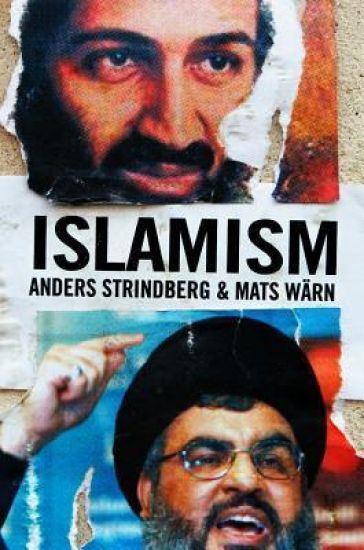
Islamism

Islamism

Anders Strindberg; Mats Wärn

Polity Press
2011
sidottu
Islamism has emerged as one of the most significant political ideologies of the 21st century. From the Islamic Revolution in Iran to the grinding struggle of Hizballah in Lebanon and the devastating 9/11 attacks by al-Qa'ida, Islam has become both a critical discourse and a framework for active resistance, which levels a potent challenge against the ideals of modern secularism and the structures of Western hegemony. This book offers a rigorous and balanced analysis of how and why Islamism has risen to the fore as the dominant voice of Islamic discourse and what accounts for the often vastly different political agendas, tactical choices and strategic objectives of individual Islamist groups. It shows how a common Islamist language of resistance and defiance acquires distinctive meanings and implications in different local contexts, as well as how these local struggles connect to each other. Drawing on important insights from social psychology, critical studies, and post-colonial studies, the book pinpoints the underlying dynamic that drives Islamist struggles in the world today, and shows how diverse experiences of repression and humiliation - real or perceived - are translated into an equally diverse collection of struggles aimed at promoting an alternative social order of independence and dignity framed by Islam. Islamism will be essential reading for students and scholars of Islamic Studies, as well as general readers with an interest in the role and status of Islam in contemporary international politics.
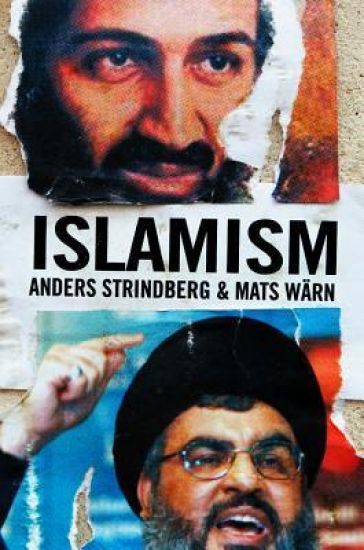
Islamism

Islamism

Anders Strindberg; Mats Wärn

Polity Press
2011
nidottu
Islamism has emerged as one of the most significant political ideologies of the 21st century. From the Islamic Revolution in Iran to the grinding struggle of Hizballah in Lebanon and the devastating 9/11 attacks by al-Qa'ida, Islam has become both a critical discourse and a framework for active resistance, which levels a potent challenge against the ideals of modern secularism and the structures of Western hegemony. This book offers a rigorous and balanced analysis of how and why Islamism has risen to the fore as the dominant voice of Islamic discourse and what accounts for the often vastly different political agendas, tactical choices and strategic objectives of individual Islamist groups. It shows how a common Islamist language of resistance and defiance acquires distinctive meanings and implications in different local contexts, as well as how these local struggles connect to each other. Drawing on important insights from social psychology, critical studies, and post-colonial studies, the book pinpoints the underlying dynamic that drives Islamist struggles in the world today, and shows how diverse experiences of repression and humiliation - real or perceived - are translated into an equally diverse collection of struggles aimed at promoting an alternative social order of independence and dignity framed by Islam. Islamism will be essential reading for students and scholars of Islamic Studies, as well as general readers with an interest in the role and status of Islam in contemporary international politics.