Kirjojen hintavertailu. Mukana 12 595 353 kirjaa ja 12 kauppaa.

Kirjailija

Andreas Hoff

Kirjat ja teokset yhdessä paikassa: 8 kirjaa, julkaisuja vuosilta 2006-2021, suosituimpien joukossa Flexible Arbeitszeitgestaltung. Vertaile teosten hintoja ja tarkista saatavuus suomalaisista kirjakaupoista.

Mukana myös kirjoitusasut: . Andreas Hoff

8 kirjaa

Kirjojen julkaisuhaarukka 2006-2021.

Mit dem Arbeitszeitgesetz gut leben

Mit dem Arbeitszeitgesetz gut leben

Andreas Hoff

Springer-Verlag Berlin and Heidelberg GmbH Co. KG
2021
nidottu
Das deutsche Arbeitszeitgesetz (ArbZG) ist von wachsender Bedeutung: Weil immer weniger Betriebe tarifgebunden sind und Betriebsräte haben, gibt es für die betrieblichen Arbeitszeitsysteme immer öfter nur den arbeitszeitgesetzlichen Rahmen. Dieses Essential unterstützt alle, die für die Gestaltung und Praktizierung von betrieblichen Arbeitszeitsystemen verantwortlich sind und/oder diese steuern. Kompakt und fundiert soll es dabei helfen, mit dem ArbZG gut zu leben: Erstens im Sinne einer friedlichen Koexistenz, in der Sie Gesetzesverstöße vermeiden, die zu Geldbußen und im Extrem sogar zu Freiheitsstrafen führen können und auch zum Ausschluss von öffentlichen Aufträgen. Zweitens durch Aufzeigen der vielen Möglichkeiten, die dieses sehr flexible Gesetz bietet, das zugleich – drittens – gesundheitsgerechtes Arbeiten fördert. Mit detaillierten Praxis-Tipps zu den wichtigsten ArbZG-Bestimmungen in allen Kapiteln.
Gestaltung betrieblicher Arbeitszeitsysteme
Das Essential, das nun in der 2., gründlich durchgesehenen Auflage vorliegt, bietet einen kompakten Überblick darüber, was mit Hilfe flexibler betrieblicher Arbeitszeitsysteme erreicht werden kann und worauf es bei ihrem Einsatz in Zukunft ganz besonders ankommen wird. Flexible betriebliche Arbeitszeitsysteme sind Regelungsbündel, in deren Rahmen und mit deren Hilfe der Einsatz der Arbeitszeiten der Mitarbeiter bedarfsgerecht gesteuert werden kann. Sämtliche Grundtypen flexibler betrieblicher Arbeitszeitsysteme werden ausführlich mit ihren Vor- und Nachteilen vorgestellt und anhand von Beispielen erläutert. Darüber hinaus zeigt der Autor die wesentlichen Trends der betrieblichen Arbeitszeitgestaltung auf.
Quick Guide Schichtarbeit

Quick Guide Schichtarbeit

Andreas Hoff

Springer
2020
nidottu
In diesem Buch wird, auch anhand zahlreicher Fallbeispiele, ein in vielen Jahren praktischer Arbeitszeitberatung entstandenes und bewährtes Verfahren zur Entwicklung flexibler Schichtsysteme vorgestellt. Solche Systeme dienen dazu, wechselnde Besetzungsbedarfe und/oder Mitarbeiter-Verfügbarkeiten mit Hilfe des Einsatzes von Schichtteams so zu bewältigen, dass für Betrieb wie Mitarbeiter jeweils größtmögliche Planungssicherheit gegeben ist. Vor dem Hintergrund der Ermittlung des jeweiligen Stellenbedarfs wird gezeigt, welche Team-Strukturen im Einzelfall in Frage kommen und welche Grund-Schichtpläne sich hieraus ergeben. Der letztlich gewählte Grund-Schichtplan muss mit dem begleitenden Arbeitszeitkonto gekoppelt werden, wofür verschiedene Optionen vorgestellt werden. „Flexi-Spielregeln“ etwa zur An- und Absage von Betriebsschichten und/oder zur Verteilung von Frei- und/oder Zusatzschichten der Mitarbeiter sorgen dann dafür, dass mittels des erst damit vollständigen flexiblen Schichtsystems ein bedarfsgerechter Personaleinsatz unter stets weitest möglicher Berücksichtigung der Arbeitszeit- und Freizeitinteressen der Mitarbeiter erfolgen kann.
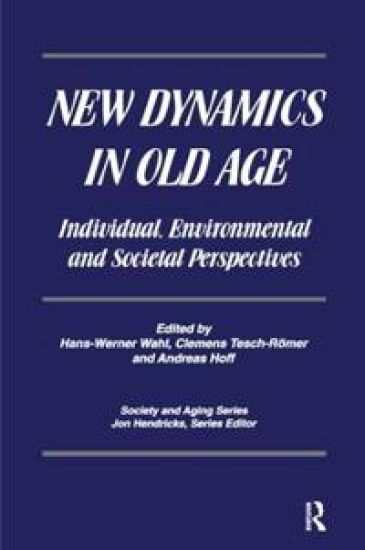
New Dynamics in Old Age

New Dynamics in Old Age

Hans-Werner Wahl; Clemens Tesch-Romer; . Andreas Hoff; Jon Hendricks

Routledge
2017
nidottu
This book was nurtured by the belief that the new dynamics of today's and tomorrow's aging has not yet been treated well in the gerontology literature. Several questions drove the choice of substance for the book: What kind of new dynamics of aging deserves consideration? What kinds of theories and fields are at the core of treating such a new dynamics? And what kind of empirical evidence should be considered? The master hypothesis on which the book is based maintains that the new dynamics of old age is best observed in a range of everyday aging contexts that have been undergoing major change since the second half of the 20th century. In particular, five areas of new and persistent dynamics are treated in depth: the social environment, with a focus on cohort effects in social relations and the consideration of family relations and elders as care redelivers; the home environment, with emphasis on housing and quality of life, relocation and urban aging issues; the outdoor environment, with consideration of out-of-home activity patterns, car-driving behaviour and the leisure world of aging; the technological environment, with treatments of the role of the Internet and the potential of technology for aging outcomes and; and the societal environment with a focus on global aging, the new politics of old age and older persons as market consumers. The book's main purpose is to provide the scholarly gerontology community with a comprehensive and critical discussion of these new trends related to old age. The book will be of interest for the scholarly community of gerontology in a variety of disciplines; sociology, psychology, demography, epidemiology, humanities, social policy and geriatrics; students in gerontology education and in the disciplines named above who have an interest in aging issues (graduate level); professionals in practical and applied fields related to aging such as community and urban planners, health and care providers and policymakers; people involved in senior citizens' organizations and those in industry who wish to serve older people with new products.
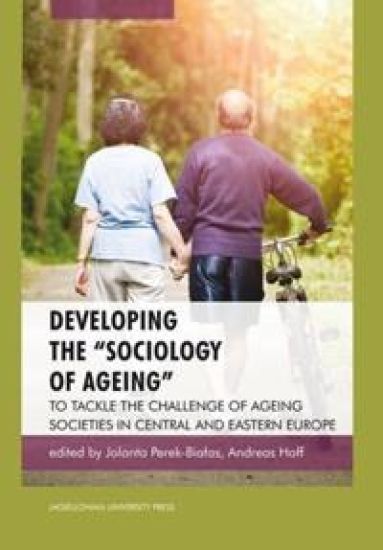
Developing the "Sociology of Ageing" – To Tackle the Challenge of Ageing Societies in Central and Eastern Europe
The book collects the most contemporary issues related to the process of ageing of societies in Central and Eastern Europe. The multiplicity of topics presented with the variety of theoretical and methodological approaches means that although it is a publication by many authors, it is a consistent monographic study, showing the development of sociology of ageing as a scientific discipline in selected countries of Central and Eastern Europe.The aim of the book is to call the attention of the reader and emphasize that the challenges of population ageing in this part of Europe are important aspects of sociology is particularly valuable. These challenges require not only recognition and resolution through application of appropriate research approaches, but also education of various actors (including policy makers) for being prepared for both diagnosing the phenomena and taking action in practice.
Flexible Arbeitszeitgestaltung

Flexible Arbeitszeitgestaltung

Michael Weidinger; Andreas Hoff

Gabler Verlag
2012
nidottu
Die Arbeitszeiten in Deutschland gehören zu den kürzesten in der Welt. Dies wird oft lediglich als Standortnachteil betrachtet, anstatt die Chancen zu nutzen, die sich gerade dadurch auf dem Gebiet der betrieblichen Arbeitszeitgestaltung eröffnen. Denn je knapper die Ressource Zeit im Unternehmen ist, desto stärker richtet sich das Augenmerk auf ihren effizienten Einsatz. Immer mehr Unternehmen erkennen, daß der pure Zeitverbrauch nicht etwa ein geeigneter Leistungsmaßstab ist, sondern nur eine wenig aussagekräftige Größe, die sich nicht direkt auf die Wettbewerbsfähigkeit des Unternehmens auswirkt. Es kommt vielmehr darauf an, durch die Orientierung am Arbeitsergebnis die nicht-wertschöpfende Zeitverschwendung zu bekämpfen. Effektiv statt exzessiv bzw. ergebnis-statt zeitorientiert zu arbeiten ist die einzig zukunftsweisende Konsequenz aus den kurzen Arbeitszeiten in Deutschland. Die Potentiale flexibler Arbeitszeitgestaltung nutzen die Unternehmen vor allem aus drei Gründen noch immer zu wenig: weil sie die vielfältigen Möglichkeiten der Arbeitszeitflexibilisierung unterschätzen, weil sie das zur Umsetzung erforderliche methodische Know-how nicht besitzen, weil sie den "unbequemen" Einführungsprozeß scheuen.
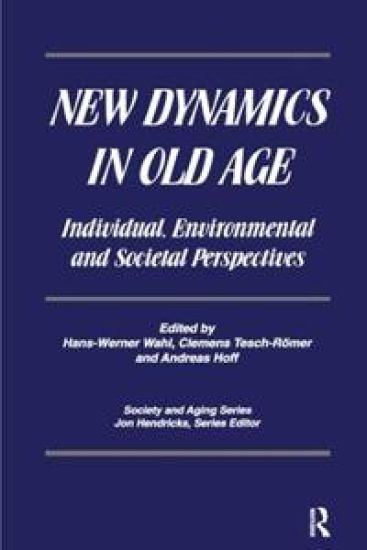
New Dynamics in Old Age

New Dynamics in Old Age

Hans-Werner Wahl; Clemens Tesch-Romer; . Andreas Hoff; Jon Hendricks

Baywood Publishing Company Inc
2006
sidottu
This book was nurtured by the belief that the new dynamics of today's and tomorrow's aging has not yet been treated well in the gerontology literature. Several questions drove the choice of substance for the book: What kind of new dynamics of aging deserves consideration? What kinds of theories and fields are at the core of treating such a new dynamics? And what kind of empirical evidence should be considered? The master hypothesis on which the book is based maintains that the new dynamics of old age is best observed in a range of everyday aging contexts that have been undergoing major change since the second half of the 20th century. In particular, five areas of new and persistent dynamics are treated in depth: the social environment, with a focus on cohort effects in social relations and the consideration of family relations and elders as care redelivers; the home environment, with emphasis on housing and quality of life, relocation and urban aging issues; the outdoor environment, with consideration of out-of-home activity patterns, car-driving behaviour and the leisure world of aging; the technological environment, with treatments of the role of the Internet and the potential of technology for aging outcomes and; and the societal environment with a focus on global aging, the new politics of old age and older persons as market consumers. The book's main purpose is to provide the scholarly gerontology community with a comprehensive and critical discussion of these new trends related to old age. The book will be of interest for the scholarly community of gerontology in a variety of disciplines; sociology, psychology, demography, epidemiology, humanities, social policy and geriatrics; students in gerontology education and in the disciplines named above who have an interest in aging issues (graduate level); professionals in practical and applied fields related to aging such as community and urban planners, health and care providers and policymakers; people involved in senior citizens' organizations and those in industry who wish to serve older people with new products.