

Kirjailija
Andreas Knapp
Kirjat ja teokset yhdessä paikassa: 29 kirjaa, julkaisuja vuosilta 1975-2025, suosituimpien joukossa Spirituelle Auszeit in Der Wuste: Impulse Zum Auftanken. Vertaile teosten hintoja ja tarkista saatavuus suomalaisista kirjakaupoista.
29 kirjaa
Kirjojen julkaisuhaarukka 1975-2025.
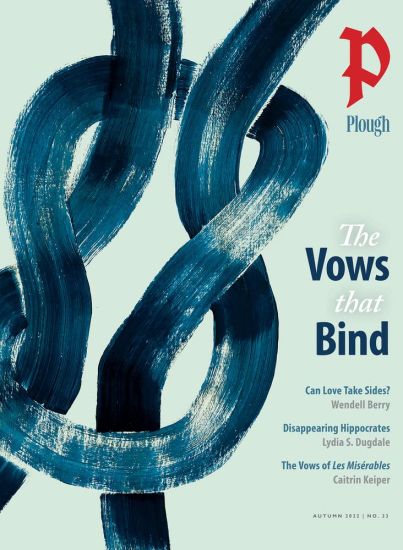
Plough Quarterly No. 33 – The Vows That Bind
Wendell Berry; Lydia S. Dugdale; Phil Christman; Kelsey Osgood; King-Ho Leung; Andreas Knapp; Starlette Thomas; G. K. Chesterton; Norann Voll
PLOUGH PUBLISHING HOUSE
2022
pokkari
In a culture that prizes keeping one’s options open, making commitments offers something more valuable. The consumerism and instant gratification of “liquid modernity” feed a general reluctance to make commitments, a refusal to be pinned down for the long term. Consider the decline of three forms of commitment that involve giving up options: marriage, military service, and monastic life. Yet increasing numbers of people question whether unprecedented freedom might be leading to less flourishing, not more. They are dissatisfied with an atomized way of life that offers endless choices of goods, services, and experiences but undermines ties of solidarity and mutuality. They yearn for more heroic virtues, more sacrificial commitments, more comprehensive visions of the individual and common good. It turns out that the American Founders were right: the Creator did endow us with an unalienable right of liberty. But he has endowed us with something else as well, a gift that is equally unalienable: desire for unreserved commitment of all we have and are. Our liberty is given us so that we in turn can freely dedicate ourselves to something greater. Ultimately, to take a leap of commitment, even without knowing where one will land, is the way to a happiness worth everything. On this theme: - Lydia S. Dugdale asks what happened to the Hippocratic Oath in modern medicine. - Caitrin Keiper looks at competing vows in Victor Hugo’s Les Misérables. - Kelsey Osgood, an Orthodox Jew, asks why lifestyle discipline is admired in sports but not religion. - Wendell Berry says being on the side of love does not allow one to have enemies. - Phil Christman spoofs the New York Times Vows column. - Andreas Knapp tells why he chose poverty. - Norann Voll recounts the places a vow of obedience took her. - Carino Hodder says chastity is for everyone, not just nuns. - Dori Moody revisits her grandparents’ broken but faithful marriage. - Randall Gauger, a Bruderhof pastor, finds that lifelong vows make faithfulness possible. - King-Ho Leung looks at vows, oaths, promises, and covenants in the Bible. Also in the issue: - A young Black pastor reads Clarence Jordan today. - Activists discuss the pro-life movement after Roe and Dobbs. - Children learn from King Arthur, Robin Hood, and the occasional cowboy. - Original poetry by Ned Balbo - Reviews of Montgomery and Biklé’s What Your Food Ate, Mohsin Hamid’s The Last White Man, and Bonnie Kristian’s Untrustworthy - A profile of Sadhu Sundar Singh Plough Quarterly features stories, ideas, and culture for people eager to apply their faith to the challenges we face. Each issue includes in-depth articles, interviews, poetry, book reviews, and art.
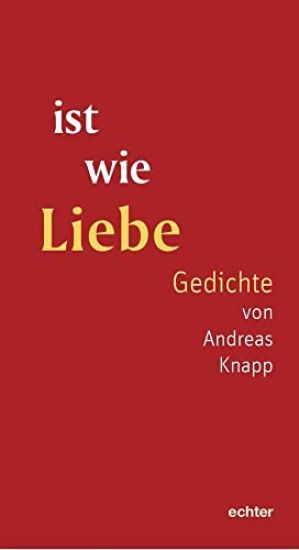
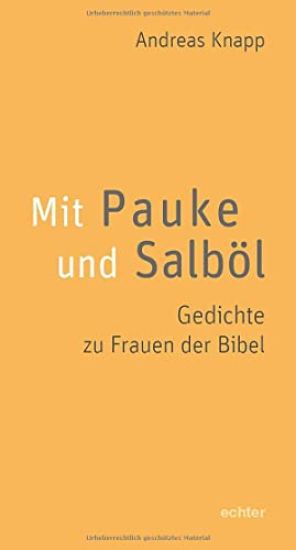

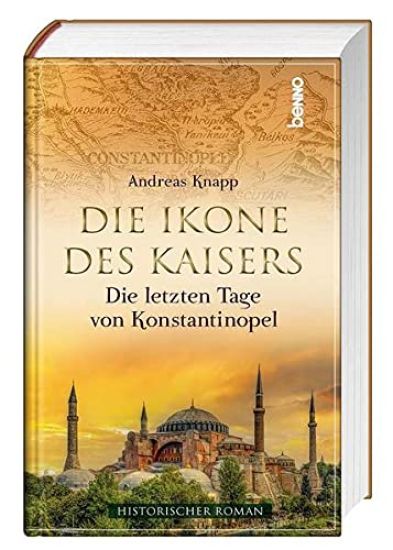
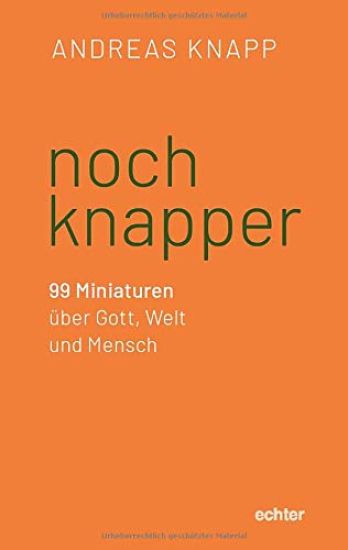
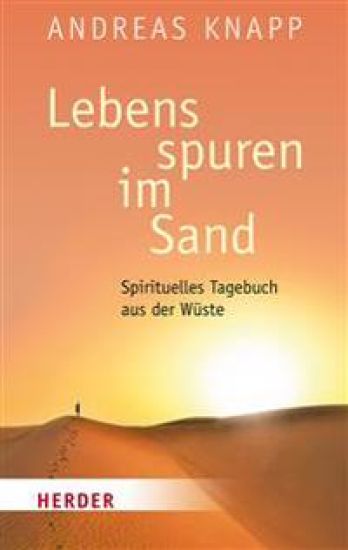
40 Tage lang lebte Andreas Knapp in einer Einsiedelei mitten in der Sahara, fern jeder Zivilisation. In seinem Tagebuch erzahlt er vom Zauber der Landschaft und von der Schonheit des Lichtes. Das Geheimnis von Leben und Tod, dem man in der Wuste auf die Spur kommen kann, ist standig prasent. Dieses Buch nimmt Sie mit auf eine spirituelle Reise. Aussere Wege werden zu Bildern innerer Erfahrungen, die religios gedeutet und biblisch erschlossen werden. Ein Buch fur Glaubende und Sinnsucher. "Der Weg in die Wuste bietet die Chance, den Weg nach innen freizulegen und dort, in der eigenen Tiefe, den Gottesbrunnen zu finden." (Andreas Knapp)
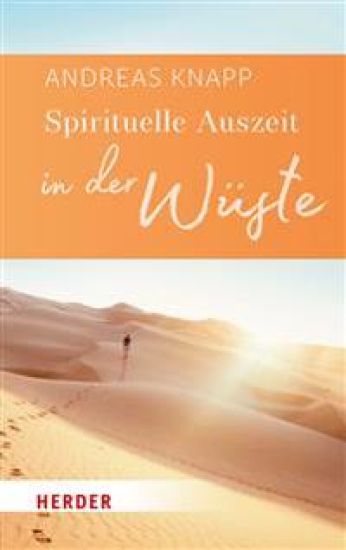
Fur Andreas Knapp ist die Wuste nicht nur ein Ort der Extreme, sondern auch ein Ort der Selbsterfahrung, Neuorientierung und Gottesbegegnung. Es ist schon viele Male in die Wusten der Welt aufgebrochen, um sich den Extremen auszusetzen und Gott in der Stille und Einsamkeit neu zu erfahren. So wie ihn faszinieren Wustenreisen immer mehr Menschen. Sie treibt nicht nur Abenteuerlust, sondern auch der Hunger nach spiritueller Erfahrung an. Sein Buch ist ein Reisebegleiter fur Glaubende und Sinnsucher. Er will dazu anregen, vor allem die spirituellen Dimensionen der Wuste besser wahrzunehmen. In funf Etappen ladt Knapp dazu ein aufzubrechen, zu staunen, sich auszusetzen, intensiver wahrzunehmen und sich neu auszurichten. Die inspirierenden Texte, Gedichte und Bibelimpulse beschaftigen sich mit Themen wie Stille, Freiheit, Einsamkeit, aber auch Gastfreundschaft und den Wundern des Lebens. Warum sollte man es sich antun, in die Wuste zu reisen, denkt mancher. Warum abgestandenes, warmes Wasser trinken, wenn man doch anderswo eisgekuhlte Getranke geniessen konnte? Warum verstaubt und verschwitzt in verdreckter Kleidung umherlaufen, anstatt seine Ferien in einer gepflegten Wellness-Oase zu verbringen? Warum Hitze, Sandsturme und eintonige Landschaften aushalten, statt sich bei gemutlichen Wanderungen durch grune Walder und Wiesen zu erholen? Warum also in die karge Wuste ziehen, wenn man es sich doch in den Urlaubsparadiesen mit Pool und uberreichem Buffet gemutlich machen konnte? In der Wuste prallen die Gegensatze hart aufeinander: Hitze und Kalte, Unfruchtbarkeit und Leben, wasserlose Zonen und bluhende Oasen. Viele Male war der Autor im Sinai, im Negev, in der Wuste Juda; er hat die Sahara durchquert, 40 Tage als Einsiedler in Algerien und spater in einer Halbwuste Spaniens gelebt, ist mit dem Fahrrad durch die Wuste von Syrien und Jordanien gestrampelt. Manches ist heute nicht moglich, weil Kriege und Unruhen das verbieten. Doch der Durst vieler Menschen nach Wuste ist ungebrochen gross und viele Reiseunternehmen bieten Wustentouren an: zu Fuss, auf Reitkamelen oder mit dem Landcruiser. Die Motive fur Wustenreisen sind vielfaltig: Abenteuerlust, Interesse an fremden Kulturen, ein einfaches Leben fernab unserer uberzivilisierten Welt, Sehnsucht nach Stille. Die Wuste wird beschrieben als Ort, der dich bei dir selbst ankommen lasst. In der Wuste kann man die Sinne wie Horen oder Schmecken feiner erleben. Hier kann sich jeder selbst neu erfahren. Es geht darum, die Komfortzone zu verlassen, um sich selbst intensiver zu spuren. Und immer wieder: der Hunger nach spirituellen Erfahrungen. Ganz eins mit dem Sand, dem Wind, dem Licht. Ganz eins mit mir selbst. Alles schweigt. Die grosse Stille umhullt mich und erfullt mich. Die grosse Stille: Das bin ich jetzt selbst.

Plough Quarterly No. 14 - Re-Formation
Jin S. Kim; Rowan Williams; Eberhard Arnold; George Weigel; Alan Kreider; Claudio Oliver; Andrea Grosso Ciponte; Mary M. Brown; Andreas Knapp
Plough Publishing House
2017
pokkari
On the 500th anniversary of the Reformation, this issue of Plough Quarterly explores the reformation the church needs today. This year’s five-hundredth anniversary of the Reformation comes just as Christianity is undergoing what may prove to be its biggest recalibration since the fourth century. Christendom, the system in which Christianity shaped Western laws and society as the majority religion, has been shaky since the Enlightenment. Now it’s in its death throes, felled by secularization, consumerism, and the sexual revolution. For better or worse, Christians must learn to be a minority. There’s no better time than now to recall Karl Barth’s dictum: the church must always be reformed. What is the re-formed church we need now? In this issue, George Weigel and Eberhard Arnold call the church to turn back to its sources and to seek renewal in the example of the first Christians, for whom Christianity was not just a Sunday religion or a private affair. It meant belonging to the fellowship of disciples, whose way of life was countercultural to that of the surrounding pagan society, as Rowan Williams points out. Today, Christians of all traditions are realizing that we are again called, in the words of Rabbi Lord Jonathan Sacks, to form a creative minority. Pastors Jin Kim and Claudio Oliver explore how to practice communal Christianity in different contexts, and Andreas Knapp and Cécile Massie document the vibrancy of the persecuted church in Syria and Turkey. Editor Peter Mommsen explores the legacy and triumph of the Radical Reformation. Also in this issue: Reviews of Ben Sasse’s The Vanishing American Adult, Alan Kreider’s The Patient Ferment of the Early Church, Tobias Jones’s A Place of Refuge, and Andrzej Franaszek’s Milosz Poetry by Mary M. Brown Insights from early church leaders Ignatius, Hermas, and Polycarp An excerpt from Renegade, Plough’s graphic novel on Martin Luther’s life Art and photography by Daniel Bonnell, Jason Landsel, Randall M. Hasson, Rachel Wright, Arthur Brouthers, Andrea Grosso Ciponte, Olivia Clifton-Bligh, Malcolm Coils, Cécile Massie, Jader Gneiting, and Dean Mitchell Plough Quarterly features stories, ideas, and culture for people eager to put their faith into action. Each issue brings you in-depth articles, interviews, poetry, book reviews, and art to help you put Jesus’ message into practice and find common cause with others.
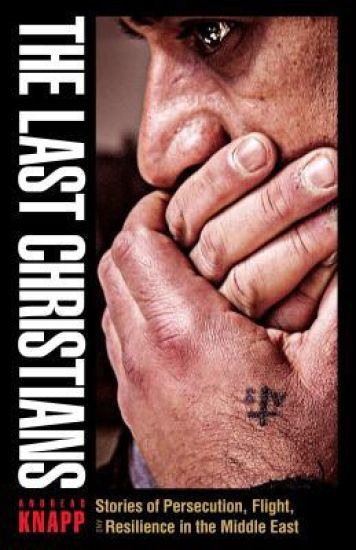
A Westerner’s travels among the persecuted and displaced Christian remnant in Iraq and Syria teach him much about faith under fire. Gold Medal Winner, 2018 IPPY Book of the Year Award Silver Medal Winner, 2018 Benjamin Franklin Award Finalist, 2018 ECPA Christian Book Award Inside Syria and Iraq, and even along the refugee trail, they’re a religious minority persecuted for their Christian faith. Outside the Middle East, they’re suspect because of their nationality. A small remnant of Christians is on the run from the Islamic State. If they are wiped out, or scattered to the corners of the earth, the language that Jesus spoke may be lost forever – along with the witness of a church that has modeled Jesus’ way of nonviolence and enemy-love for two millennia. The kidnapping, enslavement, torture, and murder of Christians by the Islamic State, or ISIS, have been detailed by journalists, as have the jihadists' deliberate efforts to destroy the cultural heritage of a region that is the cradle of Christianity. But some stories run deep, and without a better understanding of the religious and historical roots of the present conflict, history will keep repeating itself century after century. Andreas Knapp, a priest who works with refugees in Germany, travelled to camps for displaced people in the Kurdish region of northern Iraq to collect stories of survivors – and to seek answers to troubling questions about the link between religion and violence. He found Christians who today still speak Syriac, a dialect of Aramaic, the language of Jesus. The uprooted remnant of ancient churches, they doggedly continue to practice their faith despite the odds. Their devastating eyewitness reports make it clear why millions are fleeing the Middle East. Yet, remarkably, though these last Christians hold little hope of ever returning to their homes, they also harbor no thirst for revenge. Could it be that they – along with the Christians of the West, whose interest will determine their fate – hold the key to breaking the cycle of violence in the region? Includes sixteen pages of color photographs.
Die Grundelemente des Clinical Reasoning in der medizinisch-technischen Radiologieassistenz
Andreas Knapp
Grin Publishing
2016
pokkari
40 Tage lang lebte Andreas Knapp in einer Einsiedelei mitten in der Sahara, fern jeder Zivilisation. In seinem Tagebuch erzahlt er vom Zauber der Landschaft und von der Schonheit des Lichtes. Das Geheimnis von Leben und Tod, dem man in der Wuste auf die Spur kommen kann, ist standig prasent. Dieses Buch nimmt Sie mit auf eine spirituelle Reise. Aussere Wege werden zu Bildern innerer Erfahrungen, die religios gedeutet und biblisch erschlossen werden. Ein Buch fur Glaubende und Sinnsucher. "Der Weg in die Wuste bietet die Chance, den Weg nach innen freizulegen und dort, in der eigenen Tiefe, den Gottesbrunnen zu finden." (Andreas Knapp)