Kirjojen hintavertailu. Mukana 12 595 353 kirjaa ja 12 kauppaa.

Kirjailija

Andreas Malm

Kirjat ja teokset yhdessä paikassa: 30 kirjaa, julkaisuja vuosilta 2004-2026, suosituimpien joukossa Miten öljyputki räjäytetään. Vertaile teosten hintoja ja tarkista saatavuus suomalaisista kirjakaupoista.

30 kirjaa

Kirjojen julkaisuhaarukka 2004-2026.

Stormens utveckling

Stormens utveckling

Andreas Malm

Modernista
2020
nidottu
»En av världens mest inflytelserika tänkare i frågor om klimat och kapital« | Ola Söderholm»Ett mästerverk som fyller ett akut behov« | John Bellamy Foster, Monthly Review»Andreas Malm knyter vår oförmåga att agera till dagens offentlighet: i en värld där vi tillbringar allt mer tid stirrande ner i våra skärmar blir själva planeten allt mer avlägsen.« | Karin Pettersson, Aftonbladet»Direkt nödvändig läsning« | ExpressenSkogar brinner. Glaciärer kollapsar. Haven stiger. Djurarter raderas från planetens yta. Människor flyr från vad som en gång var deras hem. Återstår gör klimatkaos, panik - och organisering. Men ändå råder business as usual. Andreas Malms Stormens utveckling: Att leva i den globala uppvärmningens tid är en av de senaste årens mest uppmärksammade böcker. Ett brandtal som flytt forskningens anonymitet; som kommit att älskas och studeras av läsare världen över. Malm går till angrepp mot humanismens förhärskande teoribildning om relationen mellan människa, samhälle och natur, liksom mot vårt sätt att leva. Här tecknas linjen mellan kapitalets vinstintressen och klimatkrisens accelererande effekter. Ett flammande manifest, i brytpunkten mellan forskning och aktivism, som tagit världen med storm - levererat av en stor samtida tänkare. ANDREAS MALM [f. 1977] är fil.dr i humanekologi vid Lunds universitet, författare och politisk aktivist. De senaste två decennierna har han undersökt och debatterat klimatfrågan, liksom den politiska situationen i Mellanöstern. Han har tidigare bland annat gett ut boken Det är vår bestämda uppfattning att om ingenting görs nu kommer det att vara för sent.
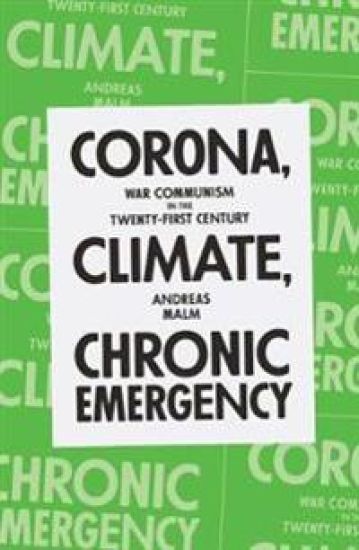
Corona, Climate, Chronic Emergency

Corona, Climate, Chronic Emergency

Andreas Malm

Verso Books
2020
nidottu
The economic and social impact of the coronavirus pandemic has been unprecedented. Governments have spoken of being at war and find themselves forced to seek new powers in order to maintain social order and prevent the spread of the virus. This is often exercised with the notion that we will return to normal as soon as we can. What if that is not possible? Secondly, if the state can mobilize itself in the face of an invisible foe like this pandemic, it should also be able to confront visible dangers such as climate destruction with equal force. In Corona, Climate, Chronic Emergency, leading environmental thinker, Andreas Malm demands that this war-footing state should be applied on a permanent basis to the ongoing climate front line. He offers proposals on how the climate movement should use this present emergency to make that case. There can be no excuse for inaction any longer.
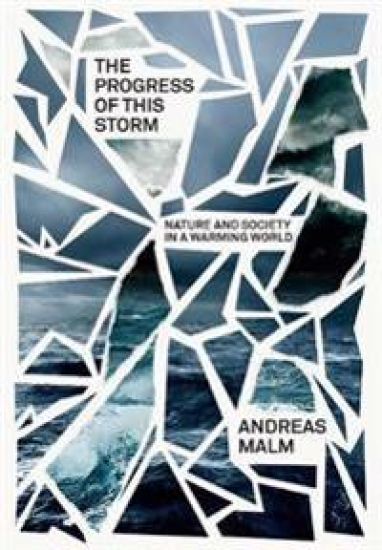
The Progress of This Storm

The Progress of This Storm

Andreas Malm

Verso Books
2020
nidottu
An attack on the idea that nature and society are impossible to distinguish from each otherIn a world careening towards climate chaos, nature is dead. It can no longer be separated from society. Everything is a blur of hybrids, where humans possess no exceptional agency to set them apart from dead matter. But is it really so? In this blistering polemic and theoretical manifesto, Andreas Malm develops a counterargument: in a warming world, nature comes roaring back, and it is more important than ever to distinguish between the natural and the social. Only with a unique agency attributed to humans can resistance become conceivable.
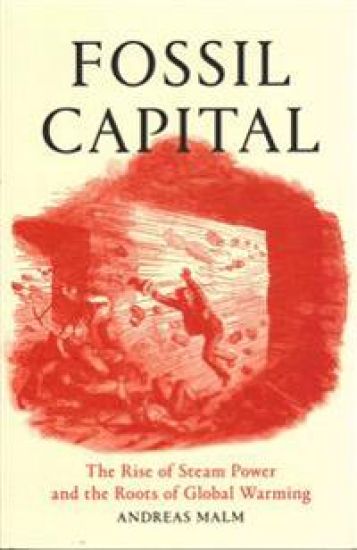
Fossil Capital

Fossil Capital

Andreas Malm

Verso Books
2016
nidottu
The more we know about the catastrophic implications of climate change, the more fossil fuels we burn. How did we end up in this mess?In this masterful new history, Andreas Malm claims it all began in Britain with the rise of steam power. But why did manufacturers turn from traditional sources of power, notably water mills, to an engine fired by coal? Contrary to established views, steam offered neither cheaper nor more abundant energy-but rather superior control of subordinate labour. Animated by fossil fuels, capital could concentrate production at the most profitable sites and during the most convenient hours, as it continues to do today. Sweeping from nineteenth-century Manchester to the emissions explosion in China, from the original triumph of coal to the stalled shift to renewables, this study hones in on the burning heart of capital and demonstrates, in unprecedented depth, that turning down the heat will mean a radical overthrow of the current economic order.
Fossil capital : the rise of steam-power in the British cotton industry, c. 1825-1848, and the roots of global warming
The more we know about the catastrophic implications of climate change, the more fossil fuels are burnt in the world. How did we get caught up in this mess? This thesis returns to a crucial moment in the emergence of the fossil economy: the rise of steam-power. With the adoption of the steam-engine, fossil energy was first coupled to a process of self-sustaining growth, the new prime mover using coal to impel machines for commodity production. It happened in Britain; the cotton industry led the way. Before steam, up to the second quarter of the nineteenth century, British cotton manufacturers used water as their source of mechanical energy – so why did they shift from the one to the other? By examining the causes of the original transition from water to steam, we might come closer to an understanding of the mechanisms igniting – and perhaps still fuelling – the process now known as ‘business-as-usual’.
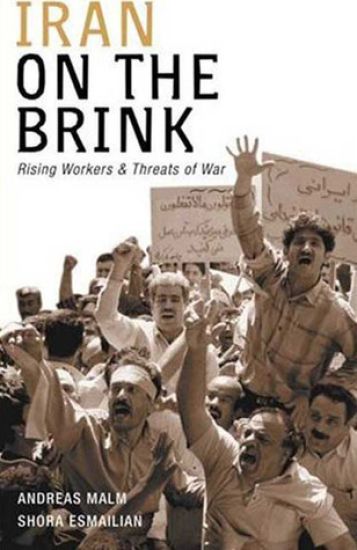
Iran on the Brink

Iran on the Brink

Andreas Malm; Shora Esmailian

Pluto Press
2007
sidottu
While the world keeps its eyes riveted on Iran's nuclear programme, the Islamic Republic has gone through a crisis of its own. This book shows how soaring unemployment and poverty has given way to social protest. A new labour movement has come to the fore. Although strikes are banned, workers are beginning to organise and underground networks are challenging the rule of the mullahs from within. The authors offer a unique portrait of the social upheaval, why it is happening and where it may take the country. Following the fall of reformism, the rise of Ahmadinejad and the recent outbursts of ethnic violence, this book provides rare insights into the inner contradictions of the Islamic Republic. The second part of the book deals with the international issues facing Iran - in particular the nuclear question, Iran's oil reserves and the serious threat of invasion. It is a sobering account of the realities of life in Iran, and the threat that war poses to the democratic aspirations of the Iranian people.
Iran on the Brink

Iran on the Brink

Andreas Malm; Shora Esmailian

Pluto Press
2007
pokkari
This is the first book to explore the changes taking in place in Iran from the ground up. While the world keeps its eyes riveted on Iran's nuclear programme, the Islamic Republic has gone through a crisis of its own. This book shows how soaring unemployment and poverty has given way to social protest. A new labour movement has come to the fore. Although strikes are banned, workers are beginning to organise and underground networks are challenging the rule of the mullahs from within. The authors offer a unique portrait of the social upheaval, why it is happening and where it may take the country. Following the fall of reformism, the rise of Ahmadinejad and the recent outbursts of ethnic violence, this book provides rare insights into the inner contradictions of the Islamic Republic. The second part of the book deals with the international issues facing Iran - in particular the nuclear question, Iran's oil reserves and the serious threat of invasion. It is a sobering account of the realities of life in Iran, and the threat that war poses to the democratic aspirations of the Iranian people.
Sprängkraft Iran

Sprängkraft Iran

Andreas Malm; Shora Esmailian

Federativs förlag
2005
pahvisivuinen
Arbetarkamp och krigshot. Världsläget skakar. Nära epicentrum ligger Iran, en jättenation med 70 miljoner invånare som möter oss som ett mörker av slöjtvång, galna mullor och underjordiska atombomber. Men vad händer där inne? En arbetarrörelse vaknar till liv. Trots strejkförbud och straff för facklig organisering har iranska arbetare börjat samlas - till vandringar i bergen, till gemensamma kassor, till kommittéer på fabriksgolven. De demonstrerar, strejkar och ockuperar sina arbetsplatser. De utmanar prästdiktaturen inifrån. Samtidigt är Iran hårt ansatt av USA och Israel, som hotar med krig om inte kärnkraftsprogrammet läggs ner. Men bakom hotet döljer sig andra faktorer: oljans pris, dollarns välde och kontrollen över Mellanöstern. Följ med in i ett land som skakar av möjliga framtider. I reportage och analyser skildras de vanliga människornas Iran, från dammiga tegelbruk och hemliga möten i vardagsrum till skräcken för att bomberna snart ska falla. För Sprängkraft i Iran belönades författarna med 2005 års Vilhelm Moberg-stipendium. Motiveringen löd: "Det iranska prästerskapets styre i Iran har alltjämt sedan revolutionen 1979 utövat våldsam repression mot arbetarklassens självständiga organisering i råd och fackföreningar. Inte desto mindre har ? särskilt på senare år ? viktiga steg tagits mot återskapandet av en självständig, socialistisk fackföreningsrörelse med potential att störta diktaturen. Trots omvärldens stora intresse för de oppositionella krafterna i Iran har i stort sett allt medialt fokus lagts på medelklassens demokratirörelser. 2004 gjorde Shora Esmailian och Andreas Malm en reportageresa till Iran, vilket resulterade i en bilaga i tidningen (se Arbetaren 51?52/2004) och så småningom, i kombination med ytterligare studier i Irans historia och samtid, i en svensk bok (Sprängkraft i Iran) samt en engelsk bok (Iran on the Brink). I deras skrifter om Iran friläggs på ett helt unikt sätt den okända historien om landets underjordiska arbetarrörelses kamp, såväl mot hänsynslösa arbetsgivare som för demokratiska rättigheter. Denna bedrift borde, om rättvisa funnes, leda till att omvärldens syn på den iranska oppositionen revideras kraftigt. Om inte annat gör det Esmailian och Malm till värdiga mottagare av 2005 års Vilhelms Moberg-stipendium."
När kapitalet tar till vapen : Om imperialism i vår tid
Den här boken försöker leta upp de krafter i vår tid som driver fram storskaliga krig och ockupationer. Det handlar inte bara om Irak, Afghanistan eller om amerikanska fångläger och militärbaser, utan om en tendens med djupa rötter i vårt ekonomiska system. Tidigare i historien har det kallats imperialism. Här diskuteras gamla teorier om imperialism och presenteras en ny, som tar fasta på det som hittills kännetecknar 2000-talet – att de rika länderna sluter upp bakom USA. De tar till vapen tillsammans, som en enad grupp, på flykt undan sina ekonomiska problem och på jakt efter den sista billiga oljan. Men det finns också krafter som gör motstånd. Andreas Malm är redaktör på tidningen Arbetaren och har tidigare gett ut Bulldozers mot ett folk (Agora 2002).