
Kirjailija
Andrew B. Torrance
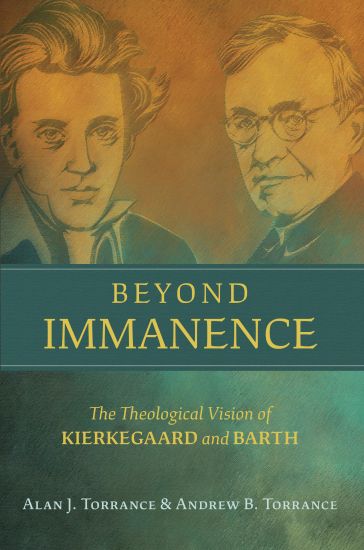
Kirjat ja teokset yhdessä paikassa: 4 kirjaa, julkaisuja vuosilta 2016-2023, suosituimpien joukossa Beyond Immanence. Vertaile teosten hintoja ja tarkista saatavuus suomalaisista kirjakaupoista.
Mukana myös kirjoitusasut: Andrew B Torrance
4 kirjaa
Kirjojen julkaisuhaarukka 2016-2023.

The word 'accountability' is often used without much thought being given to what precisely it means. It is especially common in Christian circles, where there is frequent talk about being accountable to God, yet, still, without a clear grasp of this word. Accountability to God proposes, develops, and analyses two concepts of accountability as both a condition and a virtue. It also engineers these concepts to make them particularly apt for thinking about (1) accountability to God and (2) other relationships of accountability that exist under God. In its first part, the book builds a theological and general case for its particular views of accountability. In its second, it engages in the constructive work of developing a theology of accountability in relation to the doctrines of the Trinity, participation in Christ, the Fall, the fear of God, reconciliation, baptism, repentance, faith, and conversion. In developing this theology, Torrance interacts with a number of major theologians, such as the Apostle Paul, Augustine, Thomas Aquinas, Dietrich Bonhoeffer, and Karl Barth. He also extensively engages with contemporary work in analytic philosophy, systematic theology (including analytic theology), biblical studies, and psychology. By bringing a diverse range of scholarship into discussion, Accountability to God is the first book to focus specifically on what it means to be accountable to God. It thereby proposes a more positive, constructive, and theologically apt way to think about accountability.

The Kierkegaardian account of becoming a Christian has come to be perceived in radically egocentric terms. Torrance challenges this perception by demonstrating that Kierkegaard was devoted to the idea of Christian conversion as a transformative process of becoming. This process is grounded in an active relationship initiated by the eternal God who has established kinship with us in time. Torrance focuses on 'becoming a Christian' as a particular theological theme that deserves further attention — how 'becoming a Christian' or Christian transformation should be construed in relation to God's initiating and active relationship to the person. Torrance's account of Kierkegaard on human transformation demonstrates in striking ways Kierkegaard's relevance to current issues in systematic theology and philosophical theology around the nature of Christian conversion, particularly how conversion might be re-conceptualized in strong divinely-relational and transformative rather than in progressive self-developmental terms. This study also considers how Kierkegaard was able to negotiate his emphasis on the God-relationship with his emphasis on the importance of individual reflection, decision and action in the Christian life.

The Kierkegaardian account of becoming a Christian has come to be perceived in radically egocentric terms. Torrance challenges this perception by demonstrating that Kierkegaard was devoted to the idea of Christian conversion as a transformative process of becoming. This process is grounded in an active relationship initiated by the eternal God who has established kinship with us in time. Torrance focuses on 'becoming a Christian' as a particular theological theme that deserves further attention — how 'becoming a Christian' or Christian transformation should be construed in relation to God's initiating and active relationship to the person. Torrance's account of Kierkegaard on human transformation demonstrates in striking ways Kierkegaard's relevance to current issues in systematic theology and philosophical theology around the nature of Christian conversion, particularly how conversion might be re-conceptualized in strong divinely-relational and transformative rather than in progressive self-developmental terms. This study also considers how Kierkegaard was able to negotiate his emphasis on the God-relationship with his emphasis on the importance of individual reflection, decision and action in the Christian life.