Kirjojen hintavertailu. Mukana 12 126 726 kirjaa ja 12 kauppaa.

Kirjailija

Andrew Dowling

Kirjat ja teokset yhdessä paikassa: 10 kirjaa, julkaisuja vuosilta 2001-2022, suosituimpien joukossa Catalonia Since the Spanish Civil War. Vertaile teosten hintoja ja tarkista saatavuus suomalaisista kirjakaupoista.

10 kirjaa

Kirjojen julkaisuhaarukka 2001-2022.

Catalonia: A New History

Catalonia: A New History

Andrew Dowling

TAYLOR FRANCIS LTD
2022
nidottu
Catalonia: A New History revises many traditional and romantic conceptions in the historiography of a small nation. This book engages with the scholarship of the past decade and separates nationalist myth-history from real historical processes. It is thus able to provide the reader with an analytical account, situating each historical period within its temporal context. Catalonia emerges as a territory where complex social forces interact, where revolts and rebellions are frequent. This is a contested terrain where political ideologies have sought to impose their interpretation of Catalan reality. This book situates Catalonia within the wider currents of European and Spanish history, from pre-history to the contemporary independence movement, and makes an important contribution to our understanding of nation-making.
Catalonia: A New History

Catalonia: A New History

Andrew Dowling

TAYLOR FRANCIS LTD
2022
sidottu
Catalonia: A New History revises many traditional and romantic conceptions in the historiography of a small nation. This book engages with the scholarship of the past decade and separates nationalist myth-history from real historical processes. It is thus able to provide the reader with an analytical account, situating each historical period within its temporal context. Catalonia emerges as a territory where complex social forces interact, where revolts and rebellions are frequent. This is a contested terrain where political ideologies have sought to impose their interpretation of Catalan reality. This book situates Catalonia within the wider currents of European and Spanish history, from pre-history to the contemporary independence movement, and makes an important contribution to our understanding of nation-making.
The Rise of Catalan Independence

The Rise of Catalan Independence

Andrew Dowling

Routledge
2018
nidottu
As recently as the mid-2000s, Catalonia was described and analysed by scholars as exhibiting a non-secessionist nationalism and was seen within Europe and beyond as a role model for successful devolution which had much to teach other parts of the world. The Spanish state seemed to be on a journey towards an authentic federal order and was generally admired. However, the new century has been marked by an ever-growing independence movement, with 47.8 per cent of Catalonia voting in favour of independence in September 2015. Pro-independence mobilization has produced a rupture in political relations with the rest of Spain leading to a sovereignty struggle with Madrid. This book explores how an accumulation of long-, medium- and short-term factors have produced the current situation and why the Spanish territorial model has been unable or possibly, unwilling, to respond. The Catalan question is not purely a Spanish problem: it has direct implications for the traditional nation-state model, in Europe and beyond.
The Rise of Catalan Independence

The Rise of Catalan Independence

Andrew Dowling

Routledge
2017
sidottu
As recently as the mid-2000s, Catalonia was described and analysed by scholars as exhibiting a non-secessionist nationalism and was seen within Europe and beyond as a role model for successful devolution which had much to teach other parts of the world. The Spanish state seemed to be on a journey towards an authentic federal order and was generally admired. However, the new century has been marked by an ever-growing independence movement, with 47.8 per cent of Catalonia voting in favour of independence in September 2015. Pro-independence mobilization has produced a rupture in political relations with the rest of Spain leading to a sovereignty struggle with Madrid. This book explores how an accumulation of long-, medium- and short-term factors have produced the current situation and why the Spanish territorial model has been unable or possibly, unwilling, to respond. The Catalan question is not purely a Spanish problem: it has direct implications for the traditional nation-state model, in Europe and beyond.
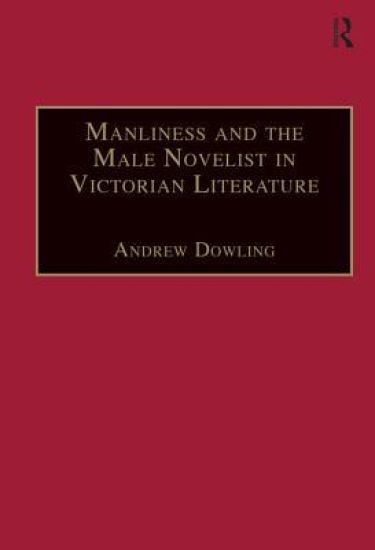
Manliness and the Male Novelist in Victorian Literature
The purpose of this book is to address two principal questions: 'Was the concept of masculinity a topic of debate for the Victorians?' and 'Why is Victorian literature full of images of male deviance when Victorian masculinity is defined by discipline?' In his introduction, Dowling defines Victorian masculinity in terms of discipline. He then addresses the central question of why an official ideal of manly discipline in the nineteenth century co-existed with a literature that is full of images of male deviance. In answering this question, he develops a notion of 'hegemonic deviance', whereby a dominant ideal of masculinity defines itself by what it is not. Dowling goes on to examine the fear of effeminacy facing Victorian literary men and the strategies used to combat these fears by the nineteenth-century male novelist. In later chapters, concentrating on Dickens and Thackeray, he examines how the male novelist is defined against multiple images of unmanliness. These chapters illustrate the investment made by men in constructing male 'others', those sources of difference that are constantly produced and then crushed from within gender divide. By analysing how Victorian literary texts both reveal and reconcile historical anxieties about the meaning of manliness, Dowling argues that masculinity is a complex construction rather than a natural given.
Catalonia Since the Spanish Civil War

Catalonia Since the Spanish Civil War

Andrew Dowling

LIVERPOOL UNIVERSITY PRESS
2014
nidottu
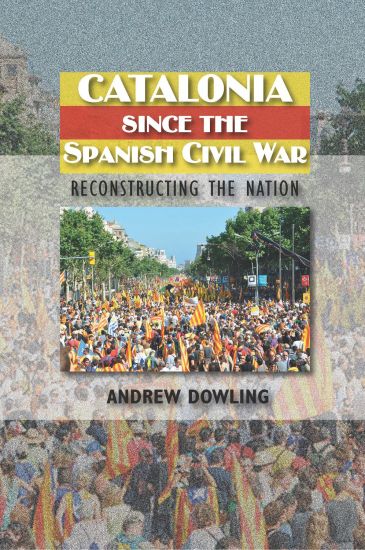
This book examines the transformation of the Catalan nation in socio-economic, political and historical terms, and offers an innovative interpretation of the determinants of its nationalist mobilisation. With Franco's and Spanish nationalism's victory in 1939, and the consolidation of a long-lasting dictatorship, it appeared certain that the Catalan national movement would be crushed. Yet, this did not happen and Catalan nationalism and identity re-emerged at the end of Franco's dictatorship in 1975 more firmly rooted than before. The core of this book traces the Francoist repression and the nationalist response to it, demonstrating how new political actors reconfigured Catalan nationalism over the course of the Franco regime (1939--1975). Post-Franco, Catalan cultural and political identity was consolidated and Catalonia became the most successful state-less nationalism in western Europe. The 21st century has been marked by an ever-growing independence movement, culminating in the vast demonstration in the city of Barcelona in July 2010. Andrew Dowling provides multi-faceted viewpoints in historic perspective, and reflects on possible steps and outcomes for this new pro-independence turn in Catalan nationalism. This study will appeal not only to students of Spain but also to those interested in nationalism as a separate issue of enquiry. The themes treated in the book -- Franco's Spain, nationalism, anarchism, Catholicism, communism and the Catalan role in Spain's transition to democracy -- make this work an essential point of reference for students and researchers in Hispanic studies, modern European history and political science. Published in association with the Catalan Observatory, London School of Economics.
Catalonia Since the Spanish Civil War

Catalonia Since the Spanish Civil War

Andrew Dowling

LIVERPOOL UNIVERSITY PRESS
2013
sidottu
This book examines the transformation of the Catalan nation in socio-economic, political and historical terms, and offers an innovative interpretation of the determinants of its nationalist mobilisation. With Franco's and Spanish nationalism's victory in 1939, and the consolidation of a long-lasting dictatorship, it appeared certain that the Catalan national movement would be crushed. Yet, this did not happen and Catalan nationalism and identity re-emerged at the end of Franco's dictatorship in 1975 more firmly rooted than before. The core of this book traces the Francoist repression and the nationalist response to it, demonstrating how new political actors reconfigured Catalan nationalism over the course of the Franco regime (1939--1975). Post-Franco, Catalan cultural and political identity was consolidated and Catalonia became the most successful state-less nationalism in western Europe. The 21st century has been marked by an ever-growing independence movement, culminating in the vast demonstration in the city of Barcelona in July 2010. Andrew Dowling provides multi-faceted viewpoints in historic perspective, and reflects on possible steps and outcomes for this new pro-independence turn in Catalan nationalism. This study will appeal not only to students of Spain but also to those interested in nationalism as a separate issue of enquiry. The themes treated in the book -- Franco's Spain, nationalism, anarchism, Catholicism, communism and the Catalan role in Spain's transition to democracy -- make this work an essential point of reference for students and researchers in Hispanic studies, modern European history and political science. Published in association with the Catalan Observatory, London School of Economics.
Post-Suburban Europe

Post-Suburban Europe

Nicholas A. Phelps; N. Parsons; Dimitris Ballas; Andrew Dowling

Palgrave Macmillan
2006
sidottu
The term 'edge city' describes the rapid growth of urban centres at the edge of established cities. Widely discussed in the US, very little has been written about European edge cities. This book gives a comparative analysis of examples in Greece, Spain, Paris, Finland and the UK, with a theoretical analysis of edge cities and post-suburban Europe.
Post-Suburban Europe

Post-Suburban Europe

Nicholas A. Phelps; N. Parsons; Dimitris Ballas; Andrew Dowling

Palgrave Macmillan
2006
nidottu
The term 'edge city' describes the rapid growth of urban centres at the edge of established cities. Widely discussed in the US, very little has been written about European edge cities. This book gives a comparative analysis of examples in Greece, Spain, Paris, Finland and the UK, with a theoretical analysis of edge cities and post-suburban Europe.
Manliness and the Male Novelist in Victorian Literature

Manliness and the Male Novelist in Victorian Literature

Andrew Dowling

Ashgate Publishing Limited
2001
sidottu
The purpose of this book is to address two principal questions: 'Was the concept of masculinity a topic of debate for the Victorians?' and 'Why is Victorian literature full of images of male deviance when Victorian masculinity is defined by discipline?' In his introduction, Dowling defines Victorian masculinity in terms of discipline. He then addresses the central question of why an official ideal of manly discipline in the nineteenth century co-existed with a literature that is full of images of male deviance. In answering this question, he develops a notion of 'hegemonic deviance', whereby a dominant ideal of masculinity defines itself by what it is not. Dowling goes on to examine the fear of effeminacy facing Victorian literary men and the strategies used to combat these fears by the nineteenth-century male novelist. In later chapters, concentrating on Dickens and Thackeray, he examines how the male novelist is defined against multiple images of unmanliness. These chapters illustrate the investment made by men in constructing male 'others', those sources of difference that are constantly produced and then crushed from within gender divide. By analysing how Victorian literary texts both reveal and reconcile historical anxieties about the meaning of manliness, Dowling argues that masculinity is a complex construction rather than a natural given.