
Kirjailija
Andrew J Rausch
Kirjat ja teokset yhdessä paikassa: 21 kirjaa, julkaisuja vuosilta 2004-2025, suosituimpien joukossa Trash Cinema. Vertaile teosten hintoja ja tarkista saatavuus suomalaisista kirjakaupoista.
Mukana myös kirjoitusasut: Andrew J. Rausch
21 kirjaa
Kirjojen julkaisuhaarukka 2004-2025.
The Stephen King Movie Quiz Book
Andrew J Rausch; R D Riley; George Beahm
BearManor Media
2011
pokkari
"There are questions in this book about my movies even I couldn't answer A nice, well-researched quiz book written with obvious affection for its subject."-Mick Garris, director, The Stand"You know a movie quiz is good when you were the lead in the damn film, and you still struggle with the questions "-Keith Gordon, actor, Christine"There's nothing trivial about Stephen King trivia, and Andy Rausch and R.D. Riley prove this adage potently with their new Stephen King Movie Quiz Book. Yes, brothers Andy and Ron have given us all an excuse to rewatch Stephen King movies. High octane fun, indeed For fans of King in all his incarnations, The Stephen King Movie Quiz Book is a must own addition to their 'Books about King' library. Highly recommended."-Stephen J. Spignesi, author, The Stephen King Quiz BookThe Stephen King Movie Quiz Book contains more than 3,000 questions to test your knowledge on the film adaptations of the King of Horror. Serious and fun, baffling and entertaining, these quizzes are guaranteed to put any film buff or King aficionado to the test. With quizzes ranging from easy to extremely difficult, this book has something to entertain everyone.
The Stephen King Movie Quiz Book (hardback)
Andrew J Rausch; R D Riley; George Beahm
BearManor Media
2011
sidottu
The Cinematic Misadventures of Ed Wood
Andrew J Rausch; Charles E Pratt; Ted Newsom
BearManor Media
2015
pokkari
The Cinematic Misadventures of Ed Wood (hardback)
Andrew J Rausch; Charles E Pratt
BearManor Media
2015
sidottu
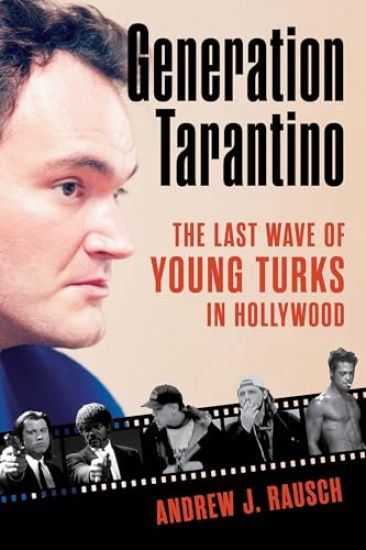
In iconic films like Reservoir Dogs and Pulp Fiction, Quentin Tarantino personified the spirit of ’90s filmmaking, boldly forging his own opportunities rather than waiting for the movie industry to come knocking on his door. He and his fellow travelers—directors like Richard Linklater (Dazed and Confused), John Singleton (Boyz n the Hood), Guillermo del Toro (The Devil’s Backbone), David Fincher (Seven), Robert Rodriguez (Desperado), Kevin Smith (Clerks), Noah Baumbach (Kicking and Screaming), Wes Anderson (Rushmore), Paul Thomas Anderson (Boogie Nights), Christopher Nolan (Following), Darren Aronofsky (Requiem for a Dream), and Sofia Coppola (The Virgin Suicides)—established their maverick-style careers by breaking norms, creating new standards, and building on the techniques of the films that preceded them, pushing the artistic boundaries of cinema to new heights.Breaking free from the blockbuster bloat of the 1980s, Generation Tarantino in some ways recalled the era of an earlier wave of pioneers—of Scorsese, Spielberg, Coppola, Altman, and De Palma. But they were uniquely of their time, capturing the attitude of young adults in the 1990s: breaking the rules, setting new standards, mixing tones and genres in a way that no one had before. These were directors who wouldn’t take no for an answer.Generation Tarantino: The Last Wave of Young Turks in Hollywood is an examination of the films, careers, and artistic styles of the most significant filmmakers to emerge during the 1990s. With interviews from filmmakers, screenwriters, cameramen, producers, and actors, this is a book about a generation of directors who raised the artistic bar and changed cinema forever.
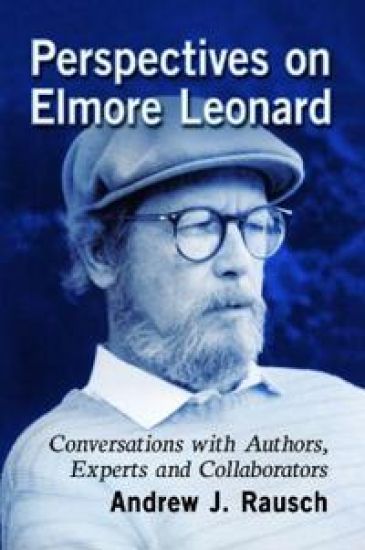
American crime novelist Elmore Leonard (1925-2013) has a voice that is original and immediately recognizable. This collection of original interviews with fellow authors, filmmakers, collaborators and critics covers all things Leonard, from analyses of characterization and dialogue in his writing to his many screen adaptations. What makes Leonard's work more cinematic than that of other talented contemporaries is his deceptively simplistic method of description that still manages to paint a vivid picture in the reader's mind. The unique perspectives in this collection discuss many of Leonard's 44 novels, including those that have been adapted to television and motion pictures like Get Shorty, Out of Sight, and Jackie Brown.
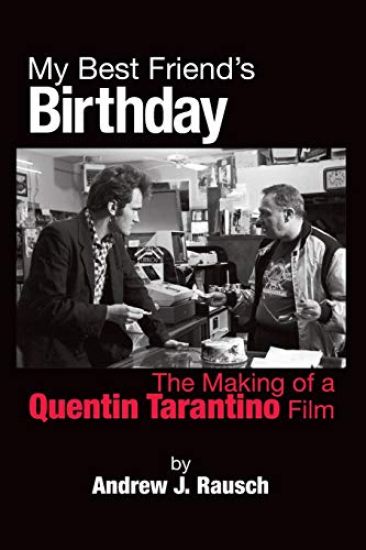
"This is a cool idea for a book." -- Quentin TarantinoMy Best Friend's Birthday: The Making of a Quentin Tarantino Film is the story of a group of friends who set out to make their own movie in 1983, financing it with Tarantino's minimum wage earnings from his job at a video store. In most biographies and Tarantino histories, this unfinished $5,000 film is mentioned only in passing and is looked upon as little more than a curiosity. But with this oral history, author/editor Andrew J. Rausch details how each of the friends came together, other early film projects they worked on, and how they ended up making (or trying to make) a black-and-white screwball comedy.He also makes the argument that My Best Friend's Birthday is something far more meaningful than a curiosity. Not only did it mark the screenwriting and directorial debut of Quentin Tarantino, one of the greatest filmmakers in history, but it also launched the careers of two other professional filmmakers, Craig Hamann and Roger Avary. My Best Friend's Birthday: The Making of a Quentin Tarantino Film provides an in-depth look at the film from its conception to its eventual demise and proves that even at the young age of 20, Tarantino already possessed the talent (in a still rough, unpolished form) that would lead him to make classic films such as Reservoir Dogs, Pulp Fiction, Kill Bill, Django Unchained, and Once Upon a Time in Hollywood. The film and screenplay for My Best Friend's Birthday, rough as they may be, provide us a glimpse of an artist on the verge of real success, still trying to find and hone his voice.
"This is a cool idea for a book." -- Quentin TarantinoMy Best Friend's Birthday: The Making of a Quentin Tarantino Film is the story of a group of friends who set out to make their own movie in 1983, financing it with Tarantino's minimum wage earnings from his job at a video store. In most biographies and Tarantino histories, this unfinished $5,000 film is mentioned only in passing and is looked upon as little more than a curiosity. But with this oral history, author/editor Andrew J. Rausch details how each of the friends came together, other early film projects they worked on, and how they ended up making (or trying to make) a black-and-white screwball comedy.He also makes the argument that My Best Friend's Birthday is something far more meaningful than a curiosity. Not only did it mark the screenwriting and directorial debut of Quentin Tarantino, one of the greatest filmmakers in history, but it also launched the careers of two other professional filmmakers, Craig Hamann and Roger Avary. My Best Friend's Birthday: The Making of a Quentin Tarantino Film provides an in-depth look at the film from its conception to its eventual demise and proves that even at the young age of 20, Tarantino already possessed the talent (in a still rough, unpolished form) that would lead him to make classic films such as Reservoir Dogs, Pulp Fiction, Kill Bill, Django Unchained, and Once Upon a Time in Hollywood. The film and screenplay for My Best Friend's Birthday, rough as they may be, provide us a glimpse of an artist on the verge of real success, still trying to find and hone his voice.
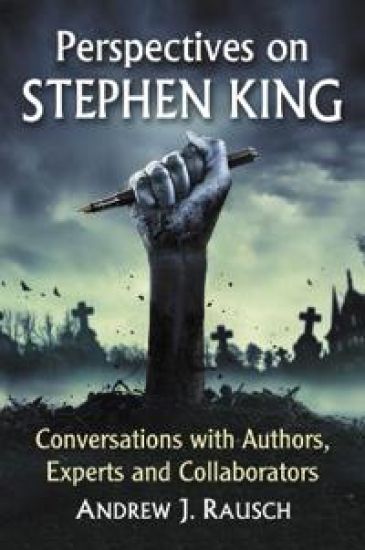
Stephen King is one of the most successful authors in the history of American literature. His books--including 55 novels, 12 novellas, nine short story collections and a children's book--have sold 350 million copies worldwide. Over the past five decades his broader impact on popular culture has been immense. Most of his works have been adapted for film or television (some of them by King himself) and he may fairly be credited with single-handedly reinventing horror, once considered a B movie genre, for mainstream readership. This collection of original interviews with fellow authors, collaborators and critics covers all things King, from analyses of his best writing to his many screen adaptations to recurring themes in his stories.
God's Not Real: A Collection of Quotations for the Atheist
Andrew J. Rausch
Createspace Independent Publishing Platform
2014
nidottu
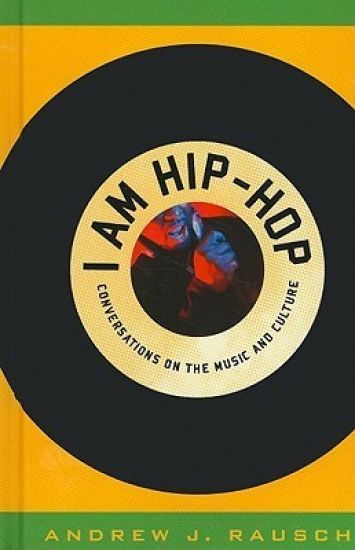
"What is Hip-Hop?" In order to answer this question, author Andrew J. Rausch interviewed 24 individuals whose creative expressions are intimately associated with the world of hip-hop music and culture. Those interviewed include emcees, DJs, producers, graffiti artists, poets, and journalists. Topics of these conversations cover the careers of each of these people and their contributions/affiliations with hip-hop, as well as their views on different trends within the music. Intended as a celebration of hip-hop music and culture, this collection of interviews ranges from the up-and-coming (Akrobatik, Rob Kelly) to the legendary (Chuck D, Big Daddy Kane). Also interviewed are Eric B., Black Sheep Dres, Chip Fu, Michael Cirelli, Daddy-O, DJ JS-1, dream hampton, Kokane, Kool Keith, Kool Rock Ski, Keith Murray, 9th Wonder, Paradime, R.A. the Rugged Man, Sadat X, Shock G, Special Ed, Spinderella, Sticky Fingaz, and Young MC. Because many of these artists worked and performed in the so-called "golden age" of hip-hop, they offer insights on the merits and problems of what hip-hop has grown into today. From their candid observations, the reader will understand how each of these men and women have contributed to the culture and how each, in his or her own way, can rightly answer "I AM hip-hop."
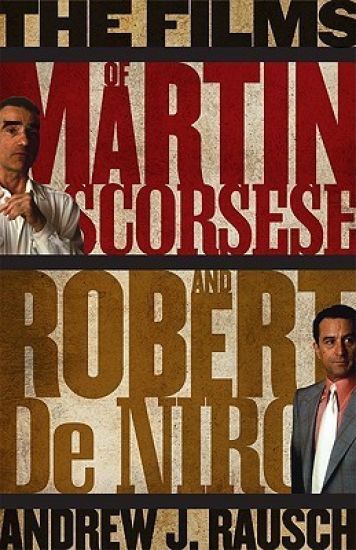
In 1973, early in their careers, Martin Scorsese and Robert De Niro collaborated for the first time. Over the next few decades, they worked together on seven more movies, many of which brought them both acclaim and awards. And while successful director and actor pairings have occurred throughout the history of film, few have fashioned so many works of enduring value as these two artists. In little more than two decades, Scorsese and De Niro produced eight features, including the classics Taxi Driver, Raging Bull, and GoodFellas. In The Films of Martin Scorsese and Robert De Niro, Andrew J. Rausch examines the creative output of this remarkable pair, from their initial offering, Mean Streets, to their most recent film together, Casino. Rausch looks at their relationship as individual artists who worked together to create cinematic magic, as well as the friendship that was forged nearly 40 years ago. Drawing upon interviews and other sources, Rausch goes behind the scenes of their eight films, providing insight and analysis on all their collaborations, including New York, New York, The King of Comedy, and Cape Fear. A rare glimpse into the moviemaking process of these two legends, The Films of Martin Scorsese and Robert De Niro will appeal to both scholars and fans alike.
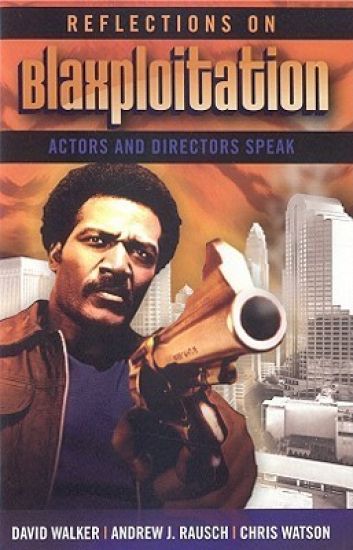
Reflections on Blaxploitation
David Walker; Andrew J. Rausch; Chris Watson
Scarecrow Press
2009
sidottu
In the early 1970s, a new breed of film emerged that would completely change the way black people were presented in movies. With their afros picked to spherical perfection and their guns blazing, big bad soul brothers and super sexy sisters lit up movie theaters across the country. Never before had black men and women appeared on screen in quite this way. In time, these films would be called "blaxploitation." And while it has long been debated exactly which film launched the blaxploitation era, the financial success of Melvin Van Peebles's Sweet Sweetback's Baadasssss Song and Gordon Parks's Shaft helped open the flood gates for the more than 200 films that are now considered blaxploitation. Reflections on Blaxploitation: Actors and Directors Speak is a collection of interviews with many of the men and women who defined the genre. In candid conversations, some of the most important figures of the era describe what it was like to work on these films and what impact they had on American culture. Among those interviewed are such icons as Jim Brown (Slaughter), Antonio Fargas (Foxy Brown), Gloria Hendry (Hell Up in Harlem), Jim Kelly (Black Belt Jones), Ron O'Neal (Superfly), William Marshall (Blacula), and Fred Williamson (Hammer). Also featured here are some of the most influential names behind the scenes, including Larry Cohen (Black Caesar), Oscar Williams (Five on the Black Hand Side), and Melvin Van Peebles. This volume also includes a filmography of every known (or rumored) blaxploitation film, including their availability on VHS and DVD.
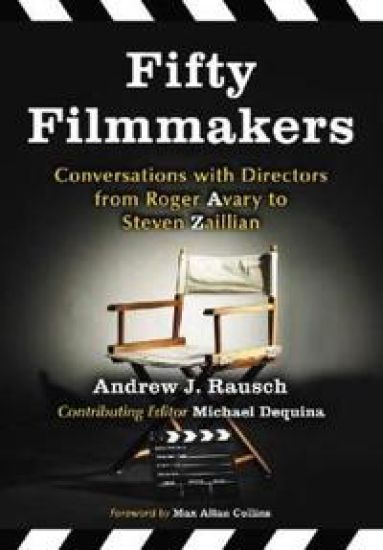
This book is an extensive collection of original interviews with 50 noted filmmakers. Conducted over a seven-year period expressly for this project, the interviews cover various aspects of film production, biographical information, and the interviewees' favorite or most influential films. Filmmakers interviewed include highly respected auteurs (Richard Linklater, Wim Wenders), B-movie greats (Roger Corman, Lloyd Kaufman), and well-renowned documentary directors (D.A. Pennebaker, Albert Maysles). Each entry includes a brief biography and filmography, while dozens of personal photographs, promotional materials, and film stills appear throughout the work.