Kirjojen hintavertailu. Mukana 12 595 353 kirjaa ja 12 kauppaa.
Kirjailija
Andrew McCallum
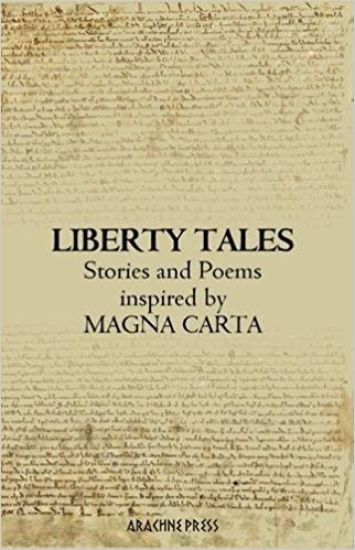
Kirjat ja teokset yhdessä paikassa: 6 kirjaa, julkaisuja vuosilta 2011-2017, suosituimpien joukossa Liberty Tales. Vertaile teosten hintoja ja tarkista saatavuus suomalaisista kirjakaupoista.
Katy Darby; Kate Foley; Liam Hogan; Sarah Evans; Helen Morris; David Mathews; Elinor Brooks; Jeremy Dixon; Anna Fodorova; Richard Smyth; Bernie Howley; Andrew McCallum; Alison Lock; David Guy; Jim Cogan; Nick Rawlinson; Owen Townend; Cassandra Passarelli; Carolyn Eden
2015 marked the 800th anniversary of Magna Carta and Arachne Press celebrated with an evening of stories, poetry and song on the subject of Liberty, now collected together in book form. The call out continued until the end of the year, and here are the collected and eclectic responses, from authors and poets from all corners of the UK and further afield, including Sarah Evans, Nick Rawlinson, Helen Morris, Owen Townend, Alison Lock, Peter de Ville, Cassandra Passarelli, David Guy, Carolyn Eden, Brian Johnstone, Andrew McCallum, Bernie Howley, Jeremy Dixon, Liam Hogan, Jim Cogan, Katy Darby, David Mathews, Anna Fodorova, Cherry Potts, Richard Smyth.
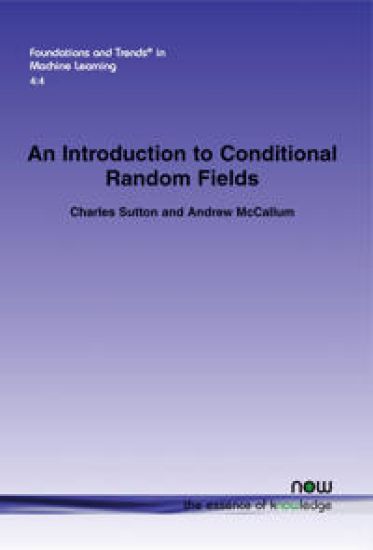
An Introduction to Conditional Random Fields provides a comprehensive tutorial aimed at application-oriented practitioners seeking to apply CRFs. The monograph does not assume previous knowledge of graphical modeling, and so is intended to be useful to practitioners in a wide variety of fields.
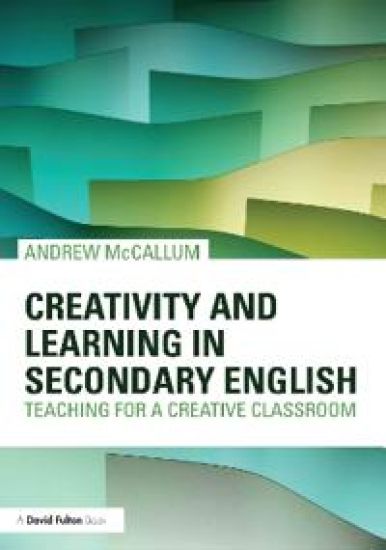
Creativity in secondary English lessons today is a democratically conceived quality that all pupils are expected to achieve and a resource on which all are entitled to draw. But what exactly is creativity? And how does it relate to English? Creativity and Learning in Secondary English answers these questions, and others, by arguing for a version of creativity that sees it as an ordinary, everyday part of successful classroom practice, central to processes of meaning-making, dialogic interaction and textual engagement. In this construction, creativity is not just linked to learning; it is the driving force behind learning itself, offering pupils the opportunity to transform their knowledge and understanding of the world around them. This book borrows from a range of theories about creativity and about learning, while remaining largely practical in focus. It contains numerous examples for teachers of how to apply ideas about creativity in the classroom. In doing so, it attempts to maintain the subject’s core identity while also keeping abreast of contemporary social, pedagogical and technological developments. The result is a refreshing challenge to some of the more mundane approaches to English teaching on offer in an age focussed excessively on standardisation and teaching to tests. Practical applications of creativity include: Using picture books and graphic novels to stimulate multimodal responses Placing pupils in the role of the teacher Devising marketing campaigns for class novels Adopting experimental approaches to redrafting Encouraging ‘extreme’ forms of re-creative writing Focusing on how to ‘listen’ to texts Creating sound-scapes for poemsThought-provoking and provocative, this textbook draws on current best practice in English teaching and will equip trainee and practising teachers with a wide range of strategies that will lead to greater creativity in the classroom.
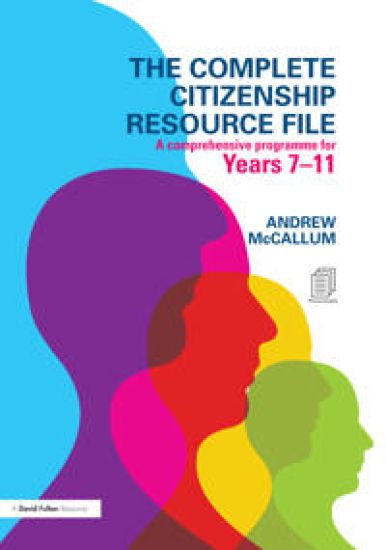
The Complete Citizenship Resource File is the comprehensive resource pack for teaching Citizenship Education from Years 7 to 11. It contains everything you need to teach lively and engaging lessons that encourage students to take an interest in topical and controversial issues and actively involve themselves in discussion and debate. With a focus on local, national and global perspectives, students are given opportunities to consider the context of their own lives in relation to those of others, therefore developing their sense of social justice as they come to a greater understanding of their world and the worlds of others. Covering a wide range of topical political, spiritual, moral, social and cultural issues, problems and events, this highly practical resource: Covers the entire Key Stage 3 and Key Stage 4 Citizenship Curriculum; Does your medium and short-term planning for you; Is Citizenship rather than PSHE focused; Deals with the big political issues of the day; Is easily adaptable for use within your own SOWs; Can be used as part of ongoing project work; Is fully photocopiable throughout. All the activities and worksheets are completely flexible and can be used for individual, pair and group work or form the basis for class discussion. With an emphasis on active learning, this resource is a must have for teachers that want to develop a creative and meaningful Citizenship curriculum and get their students to think critically about their role as citizens in their school, local communities and wider society.