Kirjojen hintavertailu. Mukana 12 595 353 kirjaa ja 12 kauppaa.

Kirjailija

Andy Field

Kirjat ja teokset yhdessä paikassa: 22 kirjaa, julkaisuja vuosilta 2002-2026, suosituimpien joukossa Discovering Statistics Using IBM SPSS Statistics. Vertaile teosten hintoja ja tarkista saatavuus suomalaisista kirjakaupoista.

22 kirjaa

Kirjojen julkaisuhaarukka 2002-2026.

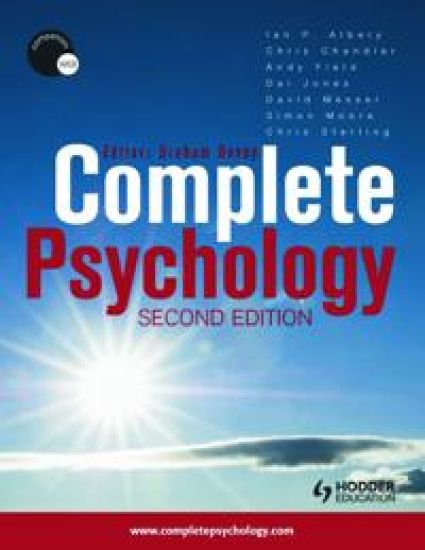
Complete Psychology

Complete Psychology

Graham Davey; Christopher Sterling; Andy Field

Hodder Arnold
2008
nidottu
The new edition of Complete Psychology is the definitive undergraduate textbook. It not only fits exactly with the very latest BPS curriculum and offers integrated web support for students and lecturers, but it also includes guidance on study skills, research methods, statistics and careers. Complete Psychology provides excellent coverage of the major areas of study . Each chapter has been fully updated to reflect changes in the field and to include examples of psychology in applied settings, and further reading sections have been expanded. The companion website, www.completepsychology.co.uk, has also been fully revised and now contains chapter summaries, author pages, downloadable presentations, useful web links, multiple choice questions, essay questions and an electronic glossary. Written by an experienced and respected team of authors, this highly accessible, comprehensive text is illustrated in full colour, and quite simply covers everything students need for their first-year studies as well as being an invaluable reference and revision tool for second and third years.
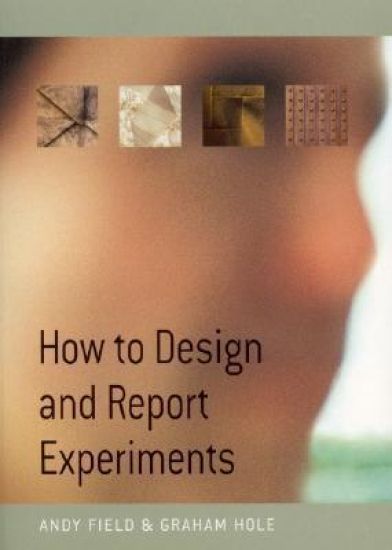
How to Design and Report Experiments

How to Design and Report Experiments

Andy Field; Graham J Hole

SAGE Publications Inc
2002
nidottu
How to Design and Report Experiments is the perfect textbook and guide to the often bewildering world of experimental design and statistics. It provides a complete map of the entire process beginning with how to get ideas about research, how to refine your research question and the actual design of the experiment, leading on to statistical procedure and assistance with writing up of results. While many books look at the fundamentals of doing successful experiments and include good coverage of statistical techniques, this book very importantly considers the process in chronological order with specific attention given to effective design in the context of likely methods needed and expected results. Without full assessment of these aspects, the experience and results may not end up being as positive as one might have hoped. Ample coverage is then also provided of statistical data analysis, a hazardous journey in itself, and the reporting of findings, with numerous examples and helpful tips of common downfalls throughout. Combining light humour, empathy with solid practical guidance to ensure a positive experience overall, How to Design and Report Experiments will be essential reading for students in psychology and those in cognate disciplines with an experimental focus or content in research methods courses.