
Kirjailija
Angela Stief
Kirjat ja teokset yhdessä paikassa: 4 kirjaa, julkaisuja vuosilta 2019-2025, suosituimpien joukossa Guido Maria Kucsko. Vertaile teosten hintoja ja tarkista saatavuus suomalaisista kirjakaupoista.
4 kirjaa
Kirjojen julkaisuhaarukka 2019-2025.
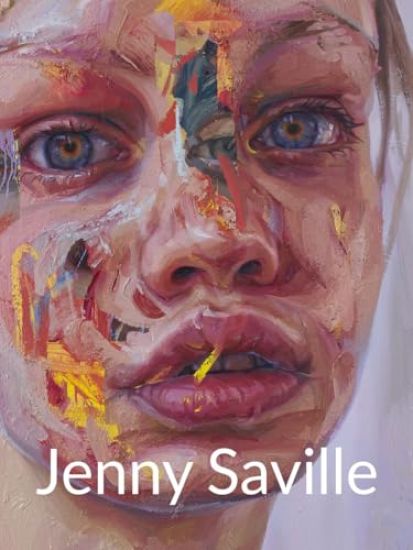
New works by the acclaimed painter In her painterly and graphic oeuvre, the renowned British artist Jenny Saville explores the centuries-old tradition of representing the human body. Her figures occupy an ambiguous zone between idealization and deconstruction. Drawing inspiration from the annals of art history— from Old Masters such as Leonardo and Raphael through to Egon Schiele, Pablo Picasso, Francis Bacon, and Lucian Freud—Saville's painterly practice is characterized by physicality, carnality, and the interplay between new and old media. Whether she is depicting history, the bodies of others, or indeed her own, Jenny Saville's work explores what it means to be human.
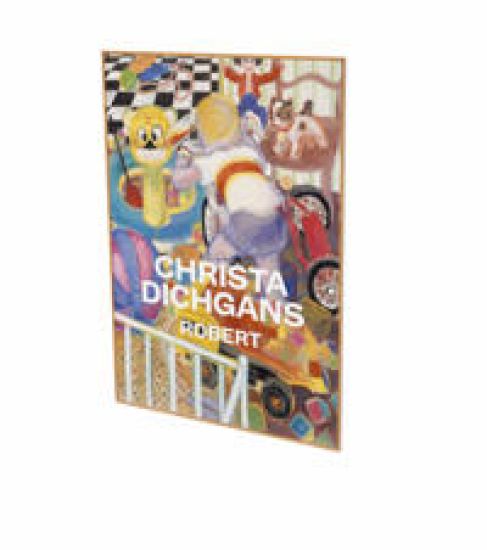
Christa Dichgans lived in a male-dominated world: her first marriage to Karl Horst H dicke was followed 1972 by a marriage to the renowned Galerist Rudolf Springer in Berlin. She had friendship with Markus L pertz and A. R. Penck, and she assisted Georg Baselitz during his professorhip in the 1980s at Berlin's Academy of Fine Arts. The German painter princes, as they were later known, artists who over the course of their careers became important figures in Germany and taught figurative expression to the younger generation of the Junge Wilde (Youg Wild Ones), were indispensable dialogue partners for Christa Dichgans. The artist described her role at the time thusly: In the 1960s, no man felt threatened by me. Men thought I was pretty and spooky, but they didn't really take my art seriously. Her early works, which were long consigned to the shadows, already bore the germ of a pictorial formula that was to make the artist one of Germany's most important Pop art figures and in no way inferior to Capitalist Realists such as Sigmar Polke, Gerhad Richter, Konrad Lueg, and Manfred Kuttner.
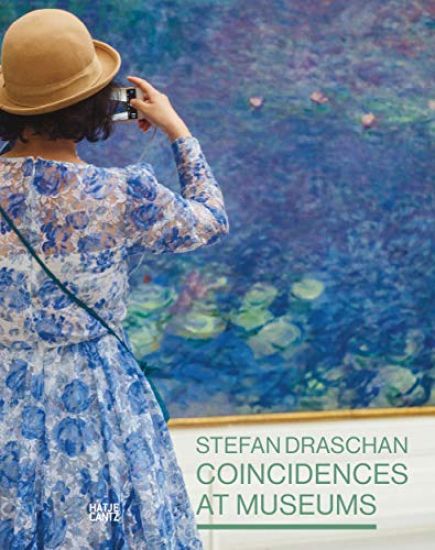
Some individuals strikingly resemble the art they are viewing, and Stefan Draschan has developed a special perspective on these picturesque correspondences. While strolling through the museums of Europe, Draschan captured similarities between the works of art and the people looking at them, noticing similar colors, patterns, hairdos, or physical posture. The artist has created astonishing visual moments that can be comic, poetic, surprising, but never contrived. The series, which he began working on in 2015, initially started with photo competitions by the Staatliche Museen zu Berlin and the magazine art–Das Kunstmagazin. It immediately took off on the Internet, where the international communities on Facebook, Tumblr, Twitter, and Instagram have liked and shared his photographs millions of times. Exhibitions followed, and now the latest pictures from the series are being published in a light-hearted gift book.