Kirjojen hintavertailu. Mukana 12 458 515 kirjaa ja 12 kauppaa.

Kirjailija

Ann Marie Mealey

Kirjat ja teokset yhdessä paikassa: 4 kirjaa, julkaisuja vuosilta 2009-2023, suosituimpien joukossa The Identity of Christian Morality. Vertaile teosten hintoja ja tarkista saatavuus suomalaisista kirjakaupoista.

4 kirjaa

Kirjojen julkaisuhaarukka 2009-2023.

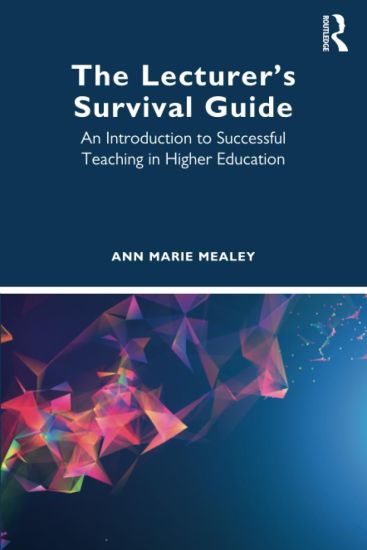
The Lecturer’s Survival Guide

The Lecturer’s Survival Guide

Ann Marie Mealey

TAYLOR FRANCIS LTD
2023
nidottu
Serving as a comprehensive introduction to those new to teaching in higher education, this essential guide discusses pedagogical approaches that are current in higher education and the wider responsibilities of teaching within higher education. This book outlines the key aspects of navigating the role, including becoming a personal tutor and supporting the needs of a diverse student body. Readers will benefit from advice on promoting wellness, best practice while teaching and enjoying their role as they embark on their first academic job. It also underlines throughout that all lecturers need to be guided by a set of values around respect for students and the need to create learning environments that move away from any ‘ghetto’ style approaches to higher education. It suggests that our values as lecturers are key to us creating and exemplifying the much-needed ethical and just practice in our classrooms so that they mirror the kind of society we would like to live in and enable every student to feel as though they ‘belong’ at university.Written in an informative yet accessible manner, chapters explore the following: The challenges of transitioning from student to lecturer The key theories that underpin successful curriculum design Assessment and feedback as a source of empowerment within higher education teaching The need for academic personal tutoring Staying well when teaching within higher educationWritten for those who are new to higher education or to teaching in this setting, The Lecturer’s Survival Guide is an essential read for any higher education teacher who wishes to ensure successful teaching whilst maintaining a healthy work-life balance.
The Lecturer’s Survival Guide

The Lecturer’s Survival Guide

Ann Marie Mealey

TAYLOR FRANCIS LTD
2023
sidottu
Serving as a comprehensive introduction to those new to teaching in higher education, this essential guide discusses pedagogical approaches that are current in higher education and the wider responsibilities of teaching within higher education. This book outlines the key aspects of navigating the role, including becoming a personal tutor and supporting the needs of a diverse student body. Readers will benefit from advice on promoting wellness, best practice while teaching and enjoying their role as they embark on their first academic job. It also underlines throughout that all lecturers need to be guided by a set of values around respect for students and the need to create learning environments that move away from any ‘ghetto’ style approaches to higher education. It suggests that our values as lecturers are key to us creating and exemplifying the much-needed ethical and just practice in our classrooms so that they mirror the kind of society we would like to live in and enable every student to feel as though they ‘belong’ at university.Written in an informative yet accessible manner, chapters explore the following: The challenges of transitioning from student to lecturer The key theories that underpin successful curriculum design Assessment and feedback as a source of empowerment within higher education teaching The need for academic personal tutoring Staying well when teaching within higher educationWritten for those who are new to higher education or to teaching in this setting, The Lecturer’s Survival Guide is an essential read for any higher education teacher who wishes to ensure successful teaching whilst maintaining a healthy work-life balance.
The Identity of Christian Morality

The Identity of Christian Morality

Ann Marie Mealey

TAYLOR FRANCIS LTD
2021
nidottu
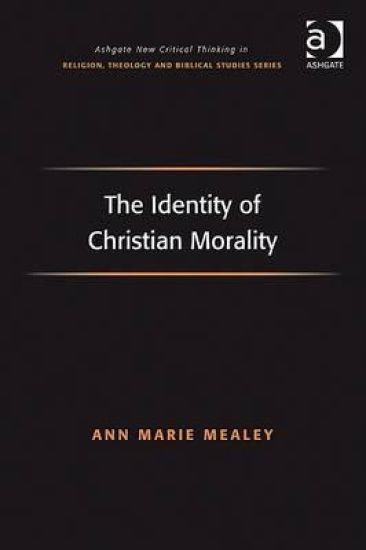
This book argues that moral theology has yet to embrace the recommendations of the Second Vatican Council concerning the ways in which it is to be renewed. One of the reasons for this is the lack of consensus between theologians regarding the nature, content and uniqueness of Christian morality. After highlighting the strengths and weaknesses of the so-called autonomy and faith ethic schools of thought, Mealey argues that there is little dividing them and that, in some instances, both schools are simply defending one aspect of a hermeneutical dialectic. In an attempt to move away from the divisions between proponents of the faith-ethic and autonomy positions, Mealey enlists the help of the hermeneutical theory of Paul Ricoeur. She argues that many of the disagreements arising from the Christian proprium debate can be overcome if scholars look to the possibilities opened up by Ricoeur's hermeneutics of interpretation. Mealey also argues that the uniqueness of Christian morality is more adequately explained in terms of a specific identity (self) that is constantly subject to change and revision in light of many, often conflicting, moral sources. She advocates a move away from attempts to explain the uniqueness of Christian morality in terms of one specific, unchanging context, motivation, norm, divine command or value. By embracing the possibilities opened up by Ricoeurian hermeneutics, Mealey explains how concepts such as revelation, tradition, orthodoxy and moral conscience may be understood in a hermeneutical way without being deemed sectarian or unorthodox.
The Identity of Christian Morality

The Identity of Christian Morality

Ann Marie Mealey

Ashgate Publishing Limited
2009
sidottu
This book argues that moral theology has yet to embrace the recommendations of the Second Vatican Council concerning the ways in which it is to be renewed. One of the reasons for this is the lack of consensus between theologians regarding the nature, content and uniqueness of Christian morality. After highlighting the strengths and weaknesses of the so-called autonomy and faith ethic schools of thought, Mealey argues that there is little dividing them and that, in some instances, both schools are simply defending one aspect of a hermeneutical dialectic. In an attempt to move away from the divisions between proponents of the faith-ethic and autonomy positions, Mealey enlists the help of the hermeneutical theory of Paul Ricoeur. She argues that many of the disagreements arising from the Christian proprium debate can be overcome if scholars look to the possibilities opened up by Ricoeur's hermeneutics of interpretation. Mealey also argues that the uniqueness of Christian morality is more adequately explained in terms of a specific identity (self) that is constantly subject to change and revision in light of many, often conflicting, moral sources. She advocates a move away from attempts to explain the uniqueness of Christian morality in terms of one specific, unchanging context, motivation, norm, divine command or value. By embracing the possibilities opened up by Ricoeurian hermeneutics, Mealey explains how concepts such as revelation, tradition, orthodoxy and moral conscience may be understood in a hermeneutical way without being deemed sectarian or unorthodox.