Kirjojen hintavertailu. Mukana 12 595 353 kirjaa ja 12 kauppaa.

Kirjailija

Anna E. McHale

Kirjat ja teokset yhdessä paikassa: 2 kirjaa, julkaisuja vuosilta 1997-2010, suosituimpien joukossa Phase Diagrams and Ceramic Processes. Vertaile teosten hintoja ja tarkista saatavuus suomalaisista kirjakaupoista.

2 kirjaa

Kirjojen julkaisuhaarukka 1997-2010.

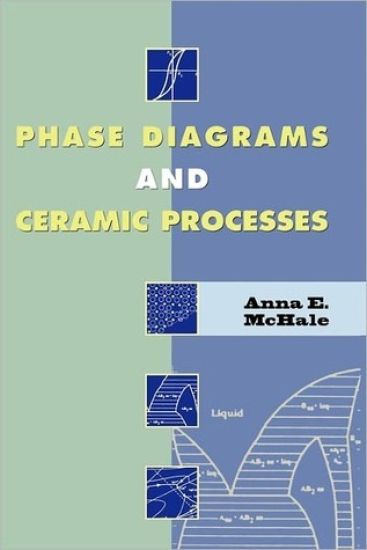
Phase Diagrams and Ceramic Processes

Phase Diagrams and Ceramic Processes

Anna E. McHale

Springer-Verlag New York Inc.
2010
nidottu
Ceramic products are fabricated from selected and consolidated raw materials through the application of thermal and mechanical energy. The complex connec­ tions between thermodynamics, chemical equilibria, fabrication processes, phase development, and ceramic properties define the undergraduate curriculum in Ceramic Science and Ceramic Engineering. Phase diagrams are usually introduced into the engineering curriculum during the study of physical chemistry, prior to specialization into ceramic engineering. This creates an artificial separation between consideration of the equilibrium description of the chemically heterogeneous system and the engineering and physical processes required for phase, microstructure, and property development in ceramic materials. Although convenient for instructional purposes, the separa­ tion of these topics limits the effective application of phase diagram information by the ceramic engineer in research and manufacturing problem solving. The nature of oxide phases, which define their useful engineering properties, are seldom linked to the stability of those phases which underlies their reliability as engineered products. Similarly, ceramic fabrication processes are seldom dis­ cussed within the context of the equilibrium or metastable phase diagram. In this text, phase diagrams are presented with a discussion of ceramics' properties and processing. Particular emphasis is placed on the nature of the oxides themselves-their structural and dielectric properties-which results in unique and stable product performance. Any set of systematic property measurements can be the basis for a phase diagram: every experiment is an experiment in the approach to phase equilibrium.
Phase Diagrams and Ceramic Processes

Phase Diagrams and Ceramic Processes

Anna E. McHale

Chapman and Hall
1997
sidottu
Ceramic products are fabricated from selected and consolidated raw materials through the application of thermal and mechanical energy. The complex connec­ tions between thermodynamics, chemical equilibria, fabrication processes, phase development, and ceramic properties define the undergraduate curriculum in Ceramic Science and Ceramic Engineering. Phase diagrams are usually introduced into the engineering curriculum during the study of physical chemistry, prior to specialization into ceramic engineering. This creates an artificial separation between consideration of the equilibrium description of the chemically heterogeneous system and the engineering and physical processes required for phase, microstructure, and property development in ceramic materials. Although convenient for instructional purposes, the separa­ tion of these topics limits the effective application of phase diagram information by the ceramic engineer in research and manufacturing problem solving. The nature of oxide phases, which define their useful engineering properties, are seldom linked to the stability of those phases which underlies their reliability as engineered products. Similarly, ceramic fabrication processes are seldom dis­ cussed within the context of the equilibrium or metastable phase diagram. In this text, phase diagrams are presented with a discussion of ceramics' properties and processing. Particular emphasis is placed on the nature of the oxides themselves-their structural and dielectric properties-which results in unique and stable product performance. Any set of systematic property measurements can be the basis for a phase diagram: every experiment is an experiment in the approach to phase equilibrium.