Kirjojen hintavertailu. Mukana 12 595 353 kirjaa ja 12 kauppaa.

Kirjailija

Anna-Lena Wolf

Kirjat ja teokset yhdessä paikassa: 2 kirjaa, julkaisuja vuodelta 2025, suosituimpien joukossa Labor on the Line. Vertaile teosten hintoja ja tarkista saatavuus suomalaisista kirjakaupoista.

2 kirjaa

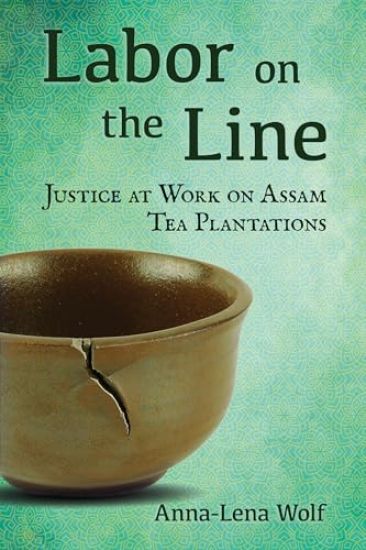
Labor on the Line

Labor on the Line

Anna-Lena Wolf

CORNELL UNIVERSITY PRESS
2025
sidottu
Labor on the Line provides insights into the world's largest tea growing region of Assam. Anna-Lena Wolf examines everyday conceptualizations of justice: how they emerge, become prevalent, transform, and are negotiated by differently positioned actors on Assam's tea plantations. Academics and activists have criticized the conditions on these plantations as a form of bondage, arguing that the persistence of a colonial wage structure—characterized by low cash wages supplemented with in-kind benefits—reinforce laborers' dependence on plantations. But Wolf shows that there is more to the story. Tea plantation laborers and trade unionists formed surprising alliances with managers and plantation owners based on everyday conceptions of justice. All involved favored the old-style plantation at a time when fundamental changes were appearing in the political economy of tea production. Labor on the Line challenges the simplistic notion that dismantling tea plantations would create a better world for tea plantation laborers by advancing notions of justice in innovative ways.
Labor on the Line

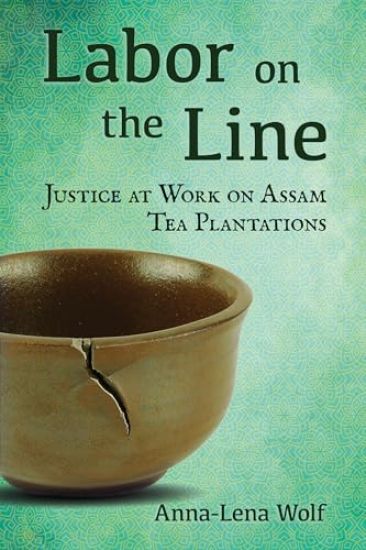
Labor on the Line

Anna-Lena Wolf

CORNELL UNIVERSITY PRESS
2025
pokkari
Labor on the Line provides insights into the world's largest tea growing region of Assam. Anna-Lena Wolf examines everyday conceptualizations of justice: how they emerge, become prevalent, transform, and are negotiated by differently positioned actors on Assam's tea plantations. Academics and activists have criticized the conditions on these plantations as a form of bondage, arguing that the persistence of a colonial wage structure—characterized by low cash wages supplemented with in-kind benefits—reinforce laborers' dependence on plantations. But Wolf shows that there is more to the story. Tea plantation laborers and trade unionists formed surprising alliances with managers and plantation owners based on everyday conceptions of justice. All involved favored the old-style plantation at a time when fundamental changes were appearing in the political economy of tea production. Labor on the Line challenges the simplistic notion that dismantling tea plantations would create a better world for tea plantation laborers by advancing notions of justice in innovative ways.