Kirjojen hintavertailu. Mukana 12 595 353 kirjaa ja 12 kauppaa.

Kirjailija

Anna Neill

Kirjat ja teokset yhdessä paikassa: 3 kirjaa, julkaisuja vuosilta 2016-2023, suosituimpien joukossa Human Evolution and Fantastic Victorian Fiction. Vertaile teosten hintoja ja tarkista saatavuus suomalaisista kirjakaupoista.

3 kirjaa

Kirjojen julkaisuhaarukka 2016-2023.

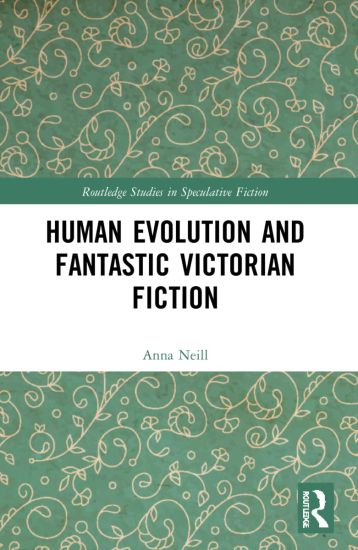
Human Evolution and Fantastic Victorian Fiction
Following the publication of Darwin’s On the Origin of Species, Victorian anthropology made two apparently contradictory claims: it distinguished "civilized man" from animals and "primitive" humans and it linked them though descent. Paradoxically, it was by placing human history in a deep past shaped by minute, incremental changes (rather than at the apex of Providential order) that evolutionary anthropology could assert a new form of human exceptionalism and define civilized humanity against both human and nonhuman savagery.This book shows how fantastic Victorian and early Edwardian fictions—utopias, dystopias, nonsense literature, gothic horror, and children’s fables—untether human and nonhuman animal agency from this increasingly orthodox account of the deep past. As they imagine worlds that lift the evolutionary constraints on development and as they collapse evolution into lived time, these stories reveal (and even occupy) dynamic landscapes of cognitive descent that contest prevailing anthropological ideas about race, culture, and species difference.
Human Evolution and Fantastic Victorian Fiction
Following the publication of Darwin’s On the Origin of Species, Victorian anthropology made two apparently contradictory claims: it distinguished "civilized man" from animals and "primitive" humans and it linked them though descent. Paradoxically, it was by placing human history in a deep past shaped by minute, incremental changes (rather than at the apex of Providential order) that evolutionary anthropology could assert a new form of human exceptionalism and define civilized humanity against both human and nonhuman savagery.This book shows how fantastic Victorian and early Edwardian fictions—utopias, dystopias, nonsense literature, gothic horror, and children’s fables—untether human and nonhuman animal agency from this increasingly orthodox account of the deep past. As they imagine worlds that lift the evolutionary constraints on development and as they collapse evolution into lived time, these stories reveal (and even occupy) dynamic landscapes of cognitive descent that contest prevailing anthropological ideas about race, culture, and species difference.
Primitive Minds

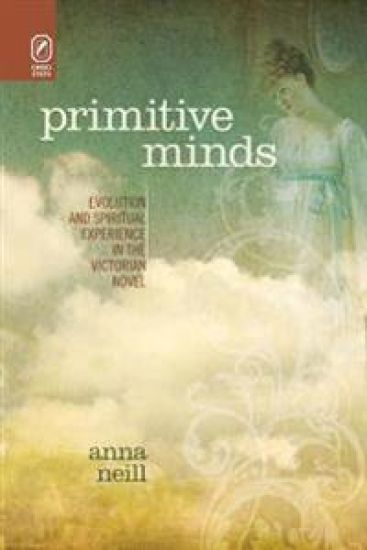
Primitive Minds

Anna Neill

Ohio State University Press
2016
pokkari
For twenty-first-century veterans of the evolution culture wars, Primitive Minds: Evolution and Spiritual Experience in the Victorian Novel, by Anna Neill, makes unlikely bedfellows of two Victorian -discoveries- evolutionary theory and spiritualism. Victorian science did much to uncover the physical substratum of mystical or dreamy experience, tracing spiritual states to a lower, reflex, or more evolutionarily primitive stage of consciousness. Yet science's pursuit of knowledge beyond sense-based evidence uncannily evoked powers associated with this primitive mind: the capacity to link events across space and time, to anticipate the future, to uncover elements of the forgotten past, and to see into the minds of others.Neill does not ask how the Victorians explained away spiritual experience through physiological psychology, but instead explores how physical explanation interacted with dreamy content in Victorian accounts of the mind's most exotic productions. This synthesis, she argues, was particularly acute in realist fiction, where, despite novelists' willingness to trace the nervous origins of individual behavior and its social consequences, activity in hidden regions of the mind enabled levels of perception inaccessible to ordinary waking thought. The authors in her study include Charlotte Bronte, Charles Dickens, George Eliot, Arthur Conan Doyle, and Thomas Hardy.