Kirjailija
Anne Bronte
Kirjat ja teokset yhdessä paikassa: 278 kirjaa, julkaisuja vuosilta 1988-2026, suosituimpien joukossa The Bronte Sisters Three Novels (Barnes & Noble Collectible Classics: Omnibus Edition). Vertaile teosten hintoja ja tarkista saatavuus suomalaisista kirjakaupoista.
Mukana myös kirjoitusasut: Anne Brontë
278 kirjaa
Kirjojen julkaisuhaarukka 1988-2026.
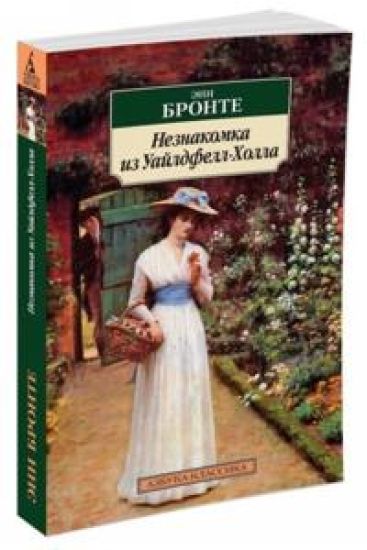
V mrachnom Uajldfell-Kholle, davno pokinutom starinnom dome, neozhidanno pojavljaetsja molodaja zhenschina v chernom - odinokaja, nezavisimaja i prekrasnaja. Sosedi umirajut ot ljubopytstva, no krasavitsa-neznakomka ne speshit otryt tajnu svoego proshlogo. "Neznakomka iz Uajldfell-Kholla" - semejno-psikhologicheskij roman, ochen smelyj dlja svoego vremeni i aktualnyj do sikh por. Mnogie zhenschiny s glubokim sochuvstviem prochtut o neschastlivom brake, muchitelnykh popytkakh uberech rodnogo cheloveka ot pjanstva, reshenii razluchit rebenka s ottsom - i o vystradannom nakonets schaste.
The Tenant of Wildfell Hall by Anne Bronte, Fiction, Classics
Anne Bronte
Wildside Press
2003
pokkari
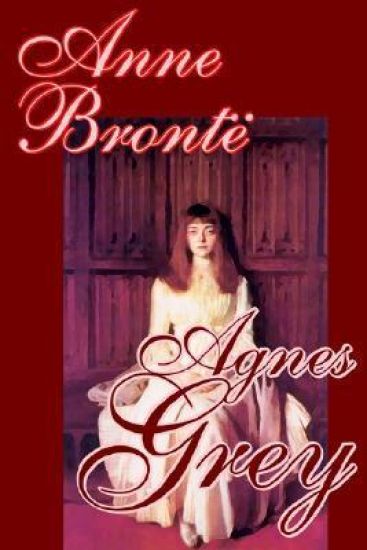
"All true histories contain instruction; though, in some, the treasure may be hard to find, and when found, so trivial in quantity, that the dry, shriveled kernel scarcely compensates for the trouble of cracking the nut. Whether this be the case with my history or not, I am hardly competent to judge. I sometimes think it might prove useful to some, and entertaining to others; but the world may judge for itself. Shielded by my own obscurity, and by the lapse of years, and a few fictitious names, I do not fear to venture; and will candidly lay before the public what I would not disclose to the most intimate friend." -- Anne Bronte, Agnes Grey
The French original of this volume was published in 1910. This translation is what the original aimed at being: frankly & simply a literary biography. Among the most celebrated English writers are the Bronte sisters. Charlotte enjoyed extraordinary popularity; and she & Emily & their youngest sister Anne joined the ranks of the immortals. It is hoped it will please readers.
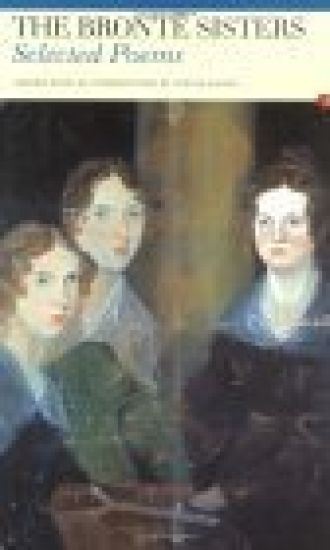
Although the Brontes have long fascinated readers of fiction and biography, their poetry was all too little known until this pioneering selection by Stevie Davies, the novelist and critic. Charlotte (1816-1855) is certainly a competent poet, and Anne (1820-1849) developed a distinctive voice, while Emily (1818-1848) is one of the great women poets in English. Read together with their novels, the poems movingly elucidate the ideas around which the narratives revolve. And they surprise us out of our conventional notions of the sisters' personalities: Emily's rebelliousness, for example, is counterbalanced here by great tenderness. This selection of over seventy poems gives an idea of the variety of thought and feeling within each author's work, and of the way in which the poems of these three remarkable writers parallel and reflect each other.
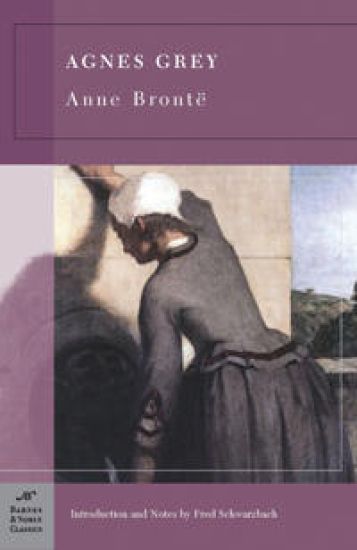
Drawing from experience, Anne Bronte wrote her first novel to inform her contemporaries about the desperate position of unmarried, educated women. They were driven to take up the only career open to them: that of a governess. Struggling with the monstrous Bloomfield children, and then disdained in the superior Murray household, Bronte gives a compelling portrait of Victorian chauvinism and ruthless materialism.
With an Introduction and Notes by Peter Merchant, Canterbury Christchurch University College The Tenant of Wildfell Hall is a powerful and sometimes violent novel of expectation, love, oppression, sin, religion and betrayal. It portrays the disintegration of the marriage of Helen Huntingdon, the mysterious ‘tenant’ of the title, and her dissolute, alcoholic husband. Defying convention, Helen leaves her husband to protect their young son from his father’s influence, and earns her own living as an artist. Whilst in hiding at Wildfell Hall, she encounters Gilbert Markham, who falls in love with her. On its first publication in 1848, Anne Brontë’s second novel was criticised for being ‘coarse’ and ‘brutal’. The Tenant of Wildfell Hall challenges the social conventions of the early nineteenth century in a strong defence of women’s rights in the face of psychological abuse from their husbands. Anne Brontë’s style is bold, naturalistic and passionate, and this novel, which her sister Charlotte considered ‘an entire mistake’, has earned Anne a position in English literature in her own right, not just as the youngest member of the Brontë family. This newly reset text is taken from a copy of the 1848 second edition in the Library of the Brontë Parsonage Museum and has been edited to correct known errors in that edition.
One of the BBC's '100 Novels That Shaped Our World'The groundbreaking story of a woman's valiant struggle for independence from her abusive husband Gilbert Markham is deeply intrigued by Helen Graham, a beautiful and secretive young woman who has moved into nearby Wildfell Hall with her young son. He is quick to offer Helen his friendship, but when her reclusive behaviour becomes the subject of local gossip and speculation, Gilbert begins to wonder whether his trust in her has been misplaced. It is only when she allows Gilbert to read her diary that the truth is revealed and the shocking details of the disastrous marriage she has left behind emerge. Told with great immediacy, combined with wit and irony, The Tenant of Wildfell Hall is a powerful depiction of a woman's fight for domestic independence and creative freedom.In her introduction Stevie Davies discusses The Tenant of Wildfell Hall as feminist testament, inspired by Anne Brontë's experiences as a governess and by the death of her brother Branwell Brontë, and examines the novel's language, biblical references and narrative styles.Edited with an introduction and notes by Stevie Davis
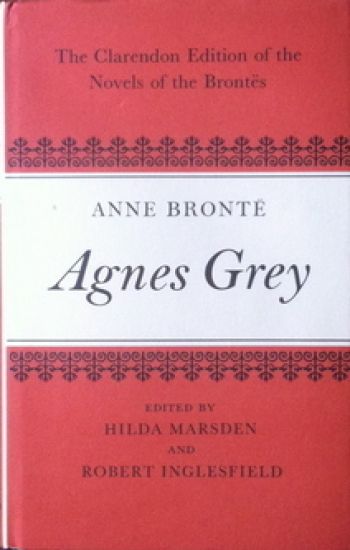
Agnes Grey is a trenchant exposé of the frequently isolated, intellectually stagnant and emotionally starved conditions under which many governesses worked in the mid-nineteenth century. This is a deeply personal novel written from the author’s own experience and as such Agnes Grey has a power and poignancy which mark it out as a landmark work of literature dealing with the social and moral evolution of English society during the last century.
This volume completes the acclaimed Clarendon Edition of the Novels of the Brontës. The Tenant of Wildfell Hall, Anne Brontë's second (and last) novel, was published in June 1848, less than a year before her death. It is the sombre account of the breakdown of a marriage in the face of alcoholism and infidelity. Writing with a power not usually associated with the youngest of the Brontë sisters, Anne portrays the decline of an aristocratic husband whose drunken excesses and domestic violence force his loving wife into a reluctant rebellion. The novel enjoyed a modest success that led its publisher, the unscrupulous T. C. Newby, to issue a `Second Edition' less than two months later. The present volume offers a text based on the collation of the first edition with the second (really a re-issue of the first, with a few corrections). The introduction details the work's composition and early printing history, including its first publication in America; and the text is fully annotated. Appendices record the substantive variants in the first English and American editions, and discuss the author's belief in the doctrine of universal salvation.
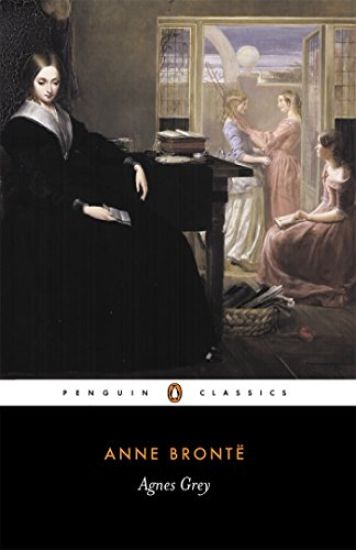
Anne Brontë's first novel is the compelling autobiographical tale of a young woman desperately seeking a place in the world When her family becomes impoverished after a disastrous financial speculation, Agnes Grey determines to find work as a governess in order to contribute to their meagre income and assert her independence. But Agnes's enthusiasm is swiftly extinguished as she struggles first with the unmanageable Bloomfield children and then with the painful disdain of the haughty Murray family; the only kindness she receives comes from Mr Weston, the sober young curate. Drawing on her own experience, Anne Brontë's first novel offers a compelling personal perspective on the desperate position of unmarried, educated women for whom becoming a governess was the only respectable career open in Victorian society.