Kirjojen hintavertailu. Mukana 12 595 353 kirjaa ja 12 kauppaa.

Kirjailija

Anne Findlay

Kirjat ja teokset yhdessä paikassa: 3 kirjaa, julkaisuja vuosilta 1987-2017, suosituimpien joukossa Recurring Themes in Education. Vertaile teosten hintoja ja tarkista saatavuus suomalaisista kirjakaupoista.

3 kirjaa

Kirjojen julkaisuhaarukka 1987-2017.

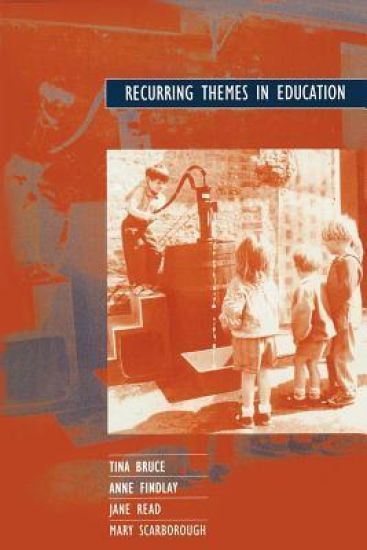
Recurring Themes in Education

Recurring Themes in Education

Tina Bruce; Anne Findlay; Jane Read; Mary Scarborough

SAGE Publications Ltd
1995
nidottu
`This is a refreshing approach to time-honoured ideas, looking both into the past and into the future. Fascinating reading' - Early Years This book explores six recurring educational themes, which each generation of educators needs to address. It is about finding quality ways forward in relation to these central themes, which honour the past without being constrained by it. During this century, Froebel's philosophy has had a deep and enduring impact on British education. This book is not concerned with returning to a past golden era when Froebelian philosophy flourished. Instead, it provides a forward looking and up-to-date perspective in relation to Froebel's principles.
Population and Development in the Third World

Population and Development in the Third World

Allan M. Findlay; Anne Findlay

Routledge
2017
sidottu
Allan and Anne Findlay argue that a nation's human population is a vital resource in the development process. Changes in its composition - increased life expectancy combined with a falling birth rate, for example - can have profound effects upon a society. Warfare and mass migration of male workers also have long-reaching effects on those left behind. The rapid growth of Third World populations has often incorrectly been identified as the major force preventing more rapid economic development. Population pressure has been known to generate technological breakthroughs. Their final chapter examines family planning programmes, and concludes by asking who benefits most from population policies and questioning the right of developed countries to advocate family planning programmes for Third World nations.
Population and Development in the Third World

Population and Development in the Third World

Allan M. Findlay; Anne Findlay

Routledge
1987
nidottu
Allan and Anne Findlay argue that a nation's human population is a vital resource in the development process. Changes in its composition - increased life expectancy combined with a falling birth rate, for example - can have profound effects upon a society. Warfare and mass migration of male workers also have long-reaching effects on those left behind. The rapid growth of Third World populations has often incorrectly been identified as the major force preventing more rapid economic development. Population pressure has been known to generate technological breakthroughs. Their final chapter examines family planning programmes, and concludes by asking who benefits most from population policies and questioning the right of developed countries to advocate family planning programmes for Third World nations.