Kirjailija
Anoop Chandola
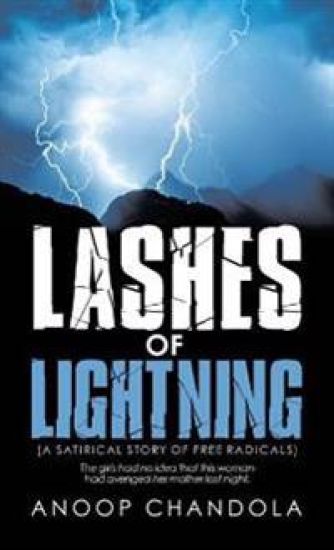
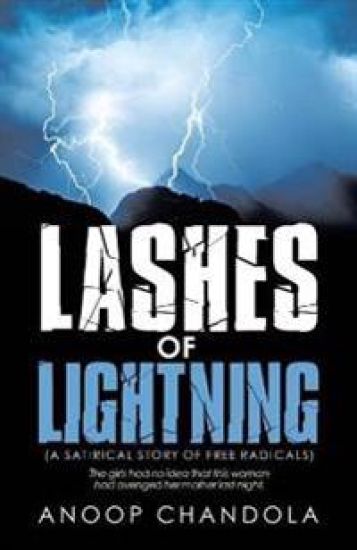
Kirjat ja teokset yhdessä paikassa: 8 kirjaa, julkaisuja vuosilta 1970-2021, suosituimpien joukossa Lashes of Lightning. Vertaile teosten hintoja ja tarkista saatavuus suomalaisista kirjakaupoista.
8 kirjaa
Kirjojen julkaisuhaarukka 1970-2021.

Mutilating Women is the story of an honor crime. It follows members of the Kotwal Clan during the chaotic months before and after Indian independence in 1947, a time of upheaval and of hope. The members of this Himalayan clan would be termed liberal/progressive in their stance toward the many issues they faced: from questions of equality for women and untouchables, to the role of religion in thwarting both and changing marriage practices to what modernization might look like for India. However, this book, based on the fictional interviews with the offspring of some of the "characters," is an accurate portrayal of the many obstacles the people of India faced during this time-the cultural and psychological barriers that confronted them at every turn.
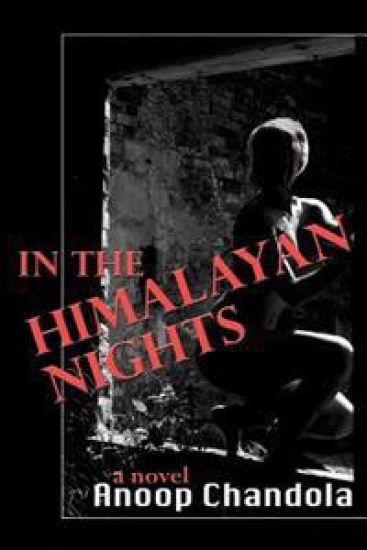
Dehradun City, Himalayas, India 1977: Two bright, beautiful, lesbian research assistants accompany their Indian professor to this city near the tense borders of China and Nepal to observe the "holy-war" dance of the Mahabharata and its link to polygamy and local heroes (or villains?). The girls begin to question the holiness of the Bhagavad Gita's two polygamist avatars while watching the dance, even as they fall in love with India and their friendly hosts. While gathering data on women's rights violations, caste discrimination, and animal cruelty, they discover more about their own culture, their relationship and themselves.When their hosts uncover the women's secret love-life, they turn against them and the research team's existence is threatened. Will the Indian "holy-war" become a personal one between locals and outsiders, men against women, polygamists against lesbians, Indians against Americans?The answer lies in the Himalayan nights...
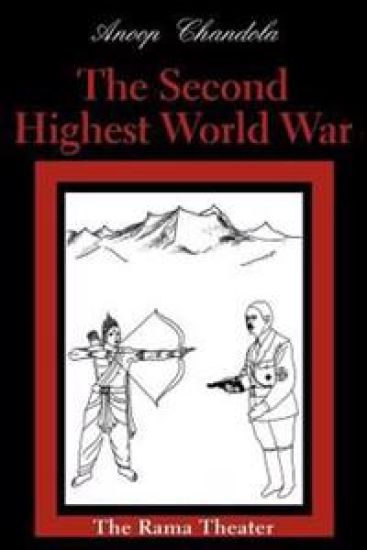
Why is it that the face of World War II has appeared in print or film so often, but very seldom the back, the larger part? Could Hitler’s rise and fall be seen in India? The reader will find controversial answers in this backside story of WWII from a remote, spectacular Himalayan region. Chander, a U.S.-educated journalist, writes his memoirs at the request of his American wife, Kristi. The memoirs, which remained unpublished for decades due to the young couple’s accidental death, reveal that Chander as a young boy lived with his mother in a Himalayan village, while his father was fighting in WWII. Chander recounts dramatic experiences of local WWII soldiers and civilians from 1941 to 1948. The experiences are juxtaposed with his hometown’s Rama Lila, a famous folk play of the Ramayana epic, where Prince Rama fights the terrorist-chief Ravana. Jagriti, a girl in Chander’s village, introduces and, though forbidden, enacts parts of the play with him. Inspired by her, he watches the ten-night Rama Lila every year, while experiencing war’s reactions and other emotionally charged actions, from humorous to terroristic, in his Hindu village, Christian school, and Hindu-Christian-Muslim town.