Kirjojen hintavertailu. Mukana 12 657 676 kirjaa ja 12 kauppaa.
Kirjailija
Anthony J. Ferri
Kirjat ja teokset yhdessä paikassa: 2 kirjaa, julkaisuja vuosilta 1992-2007, suosituimpien joukossa Teaching Mass Communication. Vertaile teosten hintoja ja tarkista saatavuus suomalaisista kirjakaupoista.
Willing Suspension of Disbelief: Poetic Faith in Film is a study of the way we watch film. Anthony Ferri explores the way expectations influence what they see, feel, and experience. Using Coleridge's term "willing suspension of disbelief" as a starting point, Ferri sets forth a fascinating study of the psychology of watching film. While film scholars and professionals have alluded to Coleridge's term in a parenthetical or tertiary manner, this volume makes a definitive account for the concept and provides a contemporary analysis of the film viewing process from a variety of critical and empirical perspectives.Willing Suspension of Disbelief is valuable for film scholars and students of film.
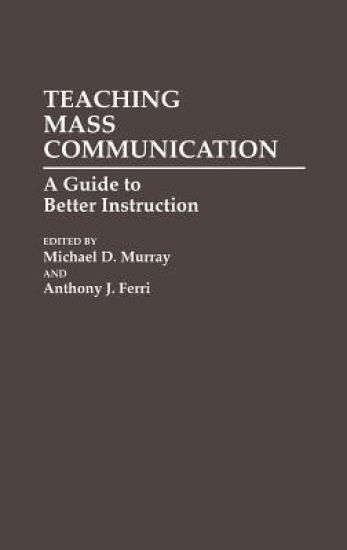
This unique volume brings together original essays by well-known mass communication experts--master teachers--who provide practical information on teaching the communication and journalism courses in which they specialize. The authors make recommendations for practical/applied, theoretical, and advanced courses, representing every area of the mass communications curriculum. Its contributors include eminent specialists such as Maurine H. Beasley, who offers advice to teachers of media history; Dan Nimmo (political communication); Roy L. Moore (media law); Jay Black (media ethics); and John De Mott (media management). Chapter authors suggest course outlines, teaching strategies, and methods of testing, and provide reviews of current texts and supplementary materials such as films and other audio-visual aids. Chapter topics in part I, The Introductory Course, include The Beginning Course in Mass Communication, and introductory courses to broadcasting, public relations, the film course, and internship programs. Part II, Applied Coursework, includes chapters on writing news for print and broadcast, reporting, advertising campaigns, audio and video production, and teaching research methods. Part III, which deals with advanced coursework, includes chapters on courses in mass communication law, mass media management, and history, mass media and politics, media criticism, and media ethics. Teaching Mass Communication will prove vitally important to faculty with new preparations for mass communication courses (including senior faculty keeping up with changes), media professionals, and new faculty preparing their teaching assignments.