Kirjojen hintavertailu. Mukana 12 595 353 kirjaa ja 12 kauppaa.
Kirjailija
Anthony Stokes
Kirjat ja teokset yhdessä paikassa: 6 kirjaa, julkaisuja vuosilta 2007-2018, suosituimpien joukossa Pit of Shame. Vertaile teosten hintoja ja tarkista saatavuus suomalaisista kirjakaupoista.
Study as you go with Cambridge Checkpoints HSC. Updated annually to provide the most up-to-date exam preparation available, Cambridge Checkpoints HSC provides everything you need to prepare for your HSC exams in a go-anywhere format that fits easily into your school bag. Recent official HSC exam papers with suggested responses Hundreds of additional past exam and exam-style questions with answers Dot point summaries of key topics and concepts to help you pinpoint where you need further revision"
The 18th century was a wealth of knowledge, exploration and rapidly growing technology and expanding record-keeping made possible by advances in the printing press. In its determination to preserve the century of revolution, Gale initiated a revolution of its own: digitization of epic proportions to preserve these invaluable works in the largest archive of its kind. Now for the first time these high-quality digital copies of original 18th century manuscripts are available in print, making them highly accessible to libraries, undergraduate students, and independent scholars.Rich in titles on English life and social history, this collection spans the world as it was known to eighteenth-century historians and explorers. Titles include a wealth of travel accounts and diaries, histories of nations from throughout the world, and maps and charts of a world that was still being discovered. Students of the War of American Independence will find fascinating accounts from the British side of conflict. ++++The below data was compiled from various identification fields in the bibliographic record of this title. This data is provided as an additional tool in helping to insure edition identification: ++++British LibraryT130675With a half-title.London: printed for the author: and sold by B. White, 1783. 4], xvi,555, 1]p.: ill.; 8
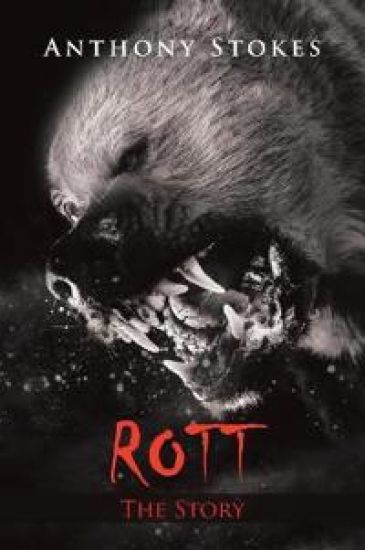
Two scientists from the Middle East decide to move the Appalachian Mountains and create a half rottweiler and Kodiak bear. The truth of mankind is out there if you can handle it. Word.
Wilde's Ballad of Reading Gaol, his last work for publication in 1898 is known the world over for its insight and telling phrases, such as 'bricks of shame', 'souls in pain' and 'that little tent of blue, that prisoners call the sky'. Possibly the greatest and most influential artistic work in terms of penal reform and conveying to outsiders the soul desolate nature and experience of imprisonment, the ballad crystalises the degradation, isolation, fear, introspection and sense of loss involved.This new book also looks at the ballad from a fresh perspective: that of a serving prison officer who has spent a substantial part of his career inside the very prison that Wilde wrote about - noting on a daily basis connections between its fabric, the prison system and the ballad as well as with the town of Reading. The result is a fine work that casts new light on Wilde's incarceration, suggests a number of fresh explanations for some lines of the ballad and puts forward an until now unpublished explanation as to why Reading was chosen for Wilde. Indicative of this approach, Anthony Stokes explains why even C.3.3 is not what it seems, why certain lines in the ballad have been misunderstood by 'experts' given the context and times. But Anthony Stoke's book is much more than this. Based on minute research over more than ten years it traces the history of "Reading Gaol" from early times to the present day, dealing with its role as a bridewell, local prison and today one that carries out ground-breaking work with young offenders. There are also chapters on its use as a place of internment for Irish Republicans in the wake of the Easter Rising, as a top secret Correctional Centre for Canadian troops serving in England during World War II, escape attempts, riots and the executions that took place at Reading over the years including during the time when James Marwood (the inventor of the 'long drop') officiated; much of this based on official records and Execution Log. There are also notes on other interesting prisoners ranging from the notorious Reading baby farmer Amelia Dyer to the Hollywood TV and movie actor, Stacey Keach.But above all it is Oscar Wilde and the "Ballad of Reading Goal" that permeate and inform this book as the author seeks to combine information about the prison with frequently telling explanations that all too often converge with the more universal nerve that was touched upon by one of England's greatest creative minds - making "Pit of Shame" a book for every Wilde afficionado, penal reformer and student of English literature. With a special 16 page collection of illustrations charting life in "Reading Gaol" and of some of its prisoners.
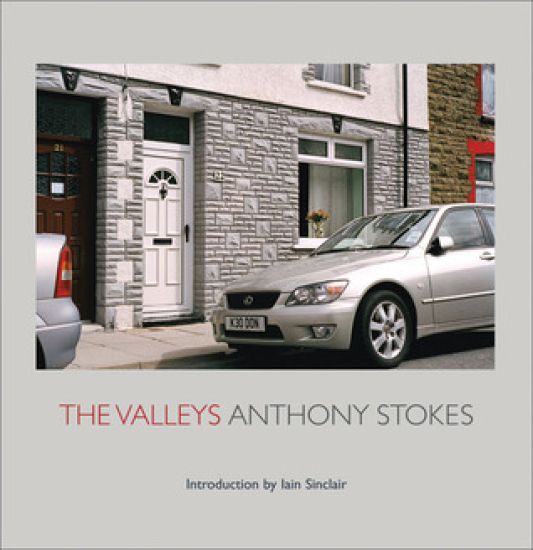
The valleys of south Wales have undergone a profound and remorseless transition since their heyday as the industrial heart of the British empire. Now the coal industry has disappeared, communities have fragmented and the society there seems poorer. How have the people responded to this change? Photographer Tony Stokes has spent the last four years photographing what he calls "this huge, beautiful, muddled landscape" and has produced an astonishing personal view and response to living there. His collection of photographs abjures the traditional lines of terraces and blasted landscapes to focus on form and colour in the buildings of the area, and domestic taste in the contents of people's front windows. The result is a fascinating commentary on an evolving vernacular of modern expectations and fashion. The photographs serve as a record of what the place looks like today. Stokes looks at houses, shops and public buildings in and their modifications; vacant buildings, industrial sites, casual construction and dereliction; the landscape, and recent development. The people themselves appear in what they have made, or modified, to express their nature and the photographs reveal a creative sense of design and use of rich colour. The cumulative effect of these images makes a remarkable book and a rich commentary on south Wales.