Kirjojen hintavertailu. Mukana 12 262 902 kirjaa ja 12 kauppaa.
Kirjailija
Antonia Darder
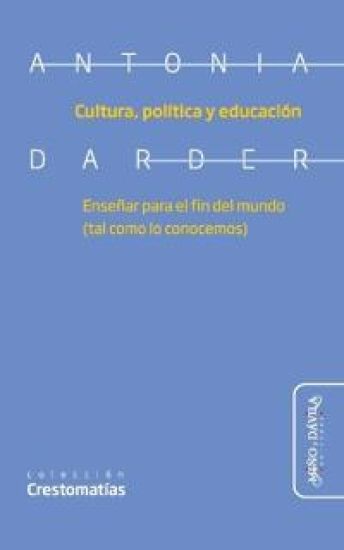
Kirjat ja teokset yhdessä paikassa: 22 kirjaa, julkaisuja vuosilta 1995-2026, suosituimpien joukossa Cultura, política y educación. Vertaile teosten hintoja ja tarkista saatavuus suomalaisista kirjakaupoista.
From internationally-renowned scholar Antonia Darder, Schooling in the Flesh examines the radical significance of the body to education, community work, and to to discussions of emancipatory pedagogy. Anchored in principles of historical materialism and critical pedagogical analysis this books uncovers new ways to reconsider the hidden curriculum of capitalist hegemony and to reinvent their practices in schools and communities. Taking a particular focus on disenfranchised student, Darder argues that the body constitutes an undertheorized yet essential dimension in the development of critically democratic school reform and a liberating pedagogy for the schooling of urban youth today.
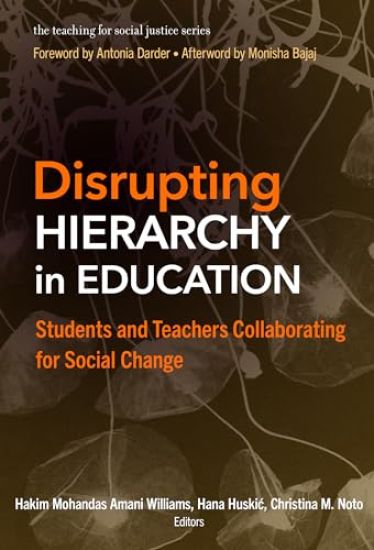
This timely book features rich examples of students and teachers, defined as learning partners, disrupting hierarchy in education by collaborating on social change projects. At the book's core is Paulo Freire's theorization of students and teachers working together toward co-liberation. Co-written by learning partners, each chapter in this collection highlights a social change project that puts Freire's theories into action. Projects span a range of academic disciplines and geographical locations from K-12, university/college, and non-formal educational contexts. Appropriate as both a textbook and a primer on collaborative social change-making, Disrupting Hierarchy in Education offers inspiration and models of community-engaged learning programs from across the globe. Topics include community education, public writing, using media for popular education, adolescent and youth development, climate change education, peace and justice leadership development, revolutionary nonviolence, literacy teacher education, citizenship education, development of Latin American studies, palliative care, reflections on identity and subjectivity, anti-racism education, trauma-informed pedagogy, wellness, and art curation. Book Features:Real-world examples of teaching and learning for social justice in ways that disrupt traditional educational hierarchy.Chapters written by teachers in collaboration with undergraduate and graduate students, youth advocates, professors, artists, curators, founders and leaders of NGOs, and elementary school teachers.Projects that cover a wide terrain, including K–12 settings, university/college, wellness, arts, and media and popular education.Examples from across the globe, including the United States, Brazil, South Africa, the United Kingdom, and Jamaica.Discussion questions and/or suggested activities at the end of each chapter.
This timely book features rich examples of students and teachers, defined as learning partners, disrupting hierarchy in education by collaborating on social change projects. At the book's core is Paulo Freire's theorization of students and teachers working together toward co-liberation. Co-written by learning partners, each chapter in this collection highlights a social change project that puts Freire's theories into action. Projects span a range of academic disciplines and geographical locations from K-12, university/college, and non-formal educational contexts. Appropriate as both a textbook and a primer on collaborative social change-making, Disrupting Hierarchy in Education offers inspiration and models of community-engaged learning programs from across the globe. Topics include community education, public writing, using media for popular education, adolescent and youth development, climate change education, peace and justice leadership development, revolutionary nonviolence, literacy teacher education, citizenship education, development of Latin American studies, palliative care, reflections on identity and subjectivity, anti-racism education, trauma-informed pedagogy, wellness, and art curation. Book Features:Real-world examples of teaching and learning for social justice in ways that disrupt traditional educational hierarchy.Chapters written by teachers in collaboration with undergraduate and graduate students, youth advocates, professors, artists, curators, founders and leaders of NGOs, and elementary school teachers.Projects that cover a wide terrain, including K-12 settings, university/college, wellness, arts, and media and popular education.Examples from across the globe, including the United States, Brazil, South Africa, the United Kingdom, and Jamaica.Discussion questions and/or suggested activities at the end of each chapter.
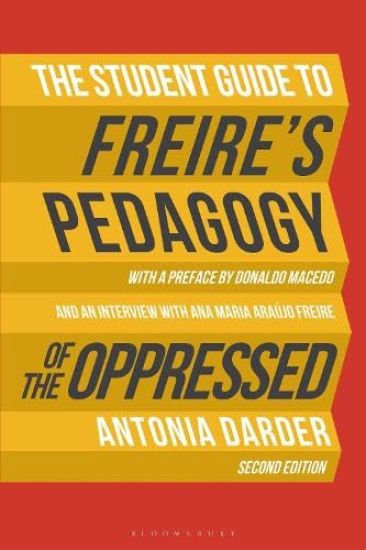
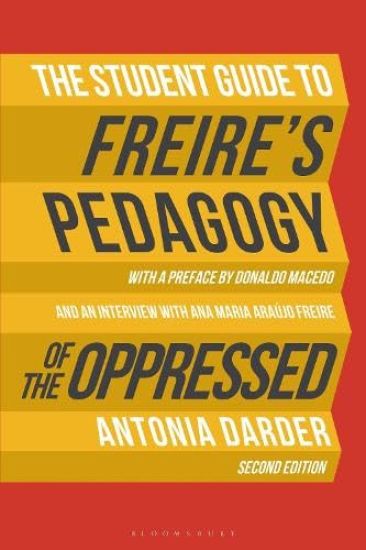
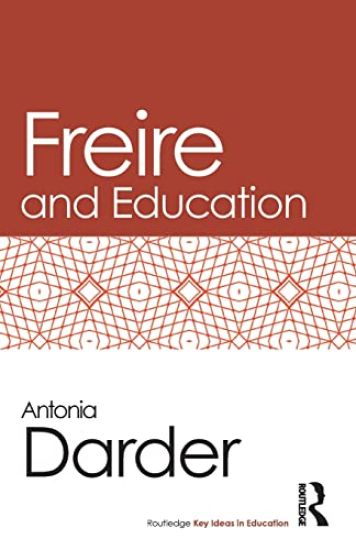
Now in its 2nd edition, this book serves as companion to Freire’s seminal work, supporting the application of his pedagogy in enacting emancipatory educational programs in the world today. The new edition includes a new chapter called Teaching Pedagogy of the Oppressed with additional dialogue questions and activities designed to support students and instructors. It also includes an updated Bibliography and further reading list. Antonia Darder closely examines Freire’s ideas as they are articulated in Pedagogy of the Oppressed, beginning with a historical discussion of his life and a systematic discussion of the central philosophical traditions that informed his revolutionary ideas. Darder explores Freire’s fundamental themes and ideas, including issues of humanization, teacher/student relationship, reflection, dialogue, praxis, and his larger emancipatory vision. The book also includes a chapter-by-chapter close reading of the text with sample questions to prompt discussion and engagement with Freire’s ideas, as well as a new interview with Freire’s widow, Ana Maria Araújo Freire, and a preface by Donaldo Macedo.
Now in its 2nd edition, this book serves as companion to Freire’s seminal work, supporting the application of his pedagogy in enacting emancipatory educational programs in the world today. The new edition includes a new chapter called Teaching Pedagogy of the Oppressed with additional dialogue questions and activities designed to support students and instructors. It also includes an updated Bibliography and further reading list. Antonia Darder closely examines Freire’s ideas as they are articulated in Pedagogy of the Oppressed, beginning with a historical discussion of his life and a systematic discussion of the central philosophical traditions that informed his revolutionary ideas. Darder explores Freire’s fundamental themes and ideas, including issues of humanization, teacher/student relationship, reflection, dialogue, praxis, and his larger emancipatory vision. The book also includes a chapter-by-chapter close reading of the text with sample questions to prompt discussion and engagement with Freire’s ideas, as well as a new interview with Freire’s widow, Ana Maria Araújo Freire, and a preface by Donaldo Macedo.
Antonia Darder is a Puerto Rican and American scholar, artist, poet, song writer and activist. She holds the Leavey Presidential Endowed Chair in Ethics and Moral Leadership in the School of Education at Loyola Marymount University. Her scholarship is known around the world and her efforts have earned her a large number of academic awards, including the Scholars of Color Distinguished Career Contribution Award by the American Education Research Association. Three critical Darderean scholars (Kortney Hernandez, Sharon Cronin, and Eduardo Lopez), who have been lovingly mentored, empowered, and challenged by Darder, and who have developed their critical consciousness through the soulful educational wisdom of Darder, have come together to embrace the (im)possible task of curating a volume of some of her most powerful educational scholarship. This volume includes Antonia Darder's central writings on the topics of language, culture, inequality, and education. If one were to "read" Darder, as Paulo Freire encouraged us to "read the word and the world," her works would speak volumes of her unwavering commitment to the struggle for liberation and an emancipatory vision of the world. This is embodied in all aspects of her work as the range of her scholarship spans across mediums and decades. The Antonia Darder Reader is essential reading as a keystone volume in multiculturalism, critical studies, cultural studies, and many other disciplines.
This book serves as an important companion to Freire’s seminal work, providing powerful insights into both a philosophically sound and politically inspired understanding of Freire’s book, supporting application of his pedagogy in enacting emancipatory educational programs in the world today. Antonia Darder closely examines Freire’s ideas as they are articulated in Pedagogy of the Oppressed, beginning with a historical discussion of Freire’s life and a systematic discussion of the central philosophical traditions that informed his revolutionary ideas. She engages and explores Freire’s fundamental themes and ideas, including the issues of humanization, the teacher/student relationship, reflection, dialogue, praxis, and his larger emancipatory vision. Questions are included throughout Chapter 3, Reading the Text Chapter-by-Chapter, to enable greater discussion of, and engagement with, the text itself. The book includes an incisive interview with Freire’s widow, Ana Maria Araujo Freire. The bibliography offers invaluable support to those looking to read and study other works by Paulo Freire.
This book serves as an important companion to Freire’s seminal work, providing powerful insights into both a philosophically sound and politically inspired understanding of Freire’s book, supporting application of his pedagogy in enacting emancipatory educational programs in the world today. Antonia Darder closely examines Freire’s ideas as they are articulated in Pedagogy of the Oppressed, beginning with a historical discussion of Freire’s life and a systematic discussion of the central philosophical traditions that informed his revolutionary ideas. She engages and explores Freire’s fundamental themes and ideas, including the issues of humanization, the teacher/student relationship, reflection, dialogue, praxis, and his larger emancipatory vision. Questions are included throughout Chapter 3, Reading the Text Chapter-by-Chapter, to enable greater discussion of, and engagement with, the text itself. The book includes an incisive interview with Freire’s widow, Ana Maria Araujo Freire. The bibliography offers invaluable support to those looking to read and study other works by Paulo Freire.
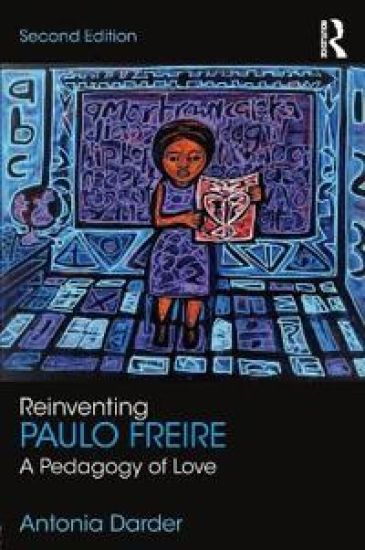
One of the most influential critical educators of the twentieth century, Paulo Freire challenged those educational inequalities and conditions of injustice faced by oppressed populations. In this new edition of Reinventing Paulo Freire, Antonia Darder re-examines his legacy through reflections on Freirean pedagogy and the narratives of teachers who reinvent his work. The fully revised first part provides important historical, political, and economic connections between major societal concerns and educational questions raised by Freire and their link to the contemporary moment, including questions tied to neoliberalism, coloniality, and educational inequalities. At the heart of the book is a critical understanding of how Freire’s pedagogy of love can inform, in theory and practice, a humanizing approach to teaching and learning. Powerful teacher narratives offer examples of a living praxis, committed to democratic classroom life and the emancipation of subaltern communities. The narratives clearly illustrate how Freire’s ideas can be put concretely into practice in schools and communities. These reflections on Freirean praxis are sure to spark conversation and inspiration in teacher education courses. Through a close theoretical engagement of Freire’s ideas and key insights garnered from lived experiences, the book speaks to the ways Freire can still inspire contemporary educators to adopt the spirit of liberatory pedagogy, By so doing, Reinventing Paulo Freire is certain to advance his theories in new ways, both to those familiar with his work and to those studying Freire for the first time.
One of the most influential critical educators of the twentieth century, Paulo Freire challenged those educational inequalities and conditions of injustice faced by oppressed populations. In this new edition of Reinventing Paulo Freire, Antonia Darder re-examines his legacy through reflections on Freirean pedagogy and the narratives of teachers who reinvent his work. The fully revised first part provides important historical, political, and economic connections between major societal concerns and educational questions raised by Freire and their link to the contemporary moment, including questions tied to neoliberalism, coloniality, and educational inequalities. At the heart of the book is a critical understanding of how Freire’s pedagogy of love can inform, in theory and practice, a humanizing approach to teaching and learning. Powerful teacher narratives offer examples of a living praxis, committed to democratic classroom life and the emancipation of subaltern communities. The narratives clearly illustrate how Freire’s ideas can be put concretely into practice in schools and communities. These reflections on Freirean praxis are sure to spark conversation and inspiration in teacher education courses. Through a close theoretical engagement of Freire’s ideas and key insights garnered from lived experiences, the book speaks to the ways Freire can still inspire contemporary educators to adopt the spirit of liberatory pedagogy, By so doing, Reinventing Paulo Freire is certain to advance his theories in new ways, both to those familiar with his work and to those studying Freire for the first time.
One of the most influential educational philosophers of our times, Paulo Freire contributed to a revolutionary understanding of education as an empowering and democratizing force in the lives of the disenfranchised. In this deeply personal introduction to the man and his ideas, Antonia Darder reflects on how Freire’s work has illuminated her own life practices and thinking as an educator and activist. Including both personal memories and a never-before published, powerful dialogue with Freire himself, Darder offers a unique "analysis of solidarity," in mind and spirit. A heartfelt look at the ways Freire can still inspire a critically intellectual and socially democratic life, this book is certain to open up his theories in entirely new ways, both to those already familiar with his work and those coming to him for the first time.
One of the most influential educational philosophers of our times, Paulo Freire contributed to a revolutionary understanding of education as an empowering and democratizing force in the lives of the disenfranchised. In this deeply personal introduction to the man and his ideas, Antonia Darder reflects on how Freire’s work has illuminated her own life practices and thinking as an educator and activist. Including both personal memories and a never-before published, powerful dialogue with Freire himself, Darder offers a unique "analysis of solidarity," in mind and spirit. A heartfelt look at the ways Freire can still inspire a critically intellectual and socially democratic life, this book is certain to open up his theories in entirely new ways, both to those already familiar with his work and those coming to him for the first time.
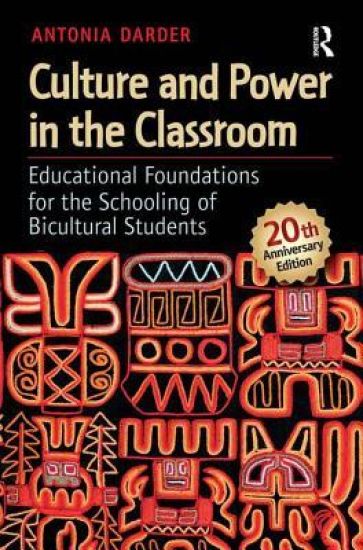
This is a timely second edition of the enormously significant book which changed how teachers and community activists view their own practice. This edition concludes with personal essays by teachers, professors, and community activists explaining the direct impact which Culture and Power in the Classroom has had on their lives. Unlike many texts that discuss educational failure, this book provides a historical context for understanding underachievement in our nation. Thoroughly revised to include the new thinking on diversity and learning, this edition includes a new chapter on assessment and the brain. This second edition will be welcomed by previous and new readers alike, and will help influence the approach of a new generation of teachers, whether they are based in schools, colleges or community centres.
This is a timely second edition of the enormously significant book which changed how teachers and community activists view their own practice. This edition concludes with personal essays by teachers, professors, and community activists explaining the direct impact which Culture and Power in the Classroom has had on their lives. Unlike many texts that discuss educational failure, this book provides a historical context for understanding underachievement in our nation. Thoroughly revised to include the new thinking on diversity and learning, this edition includes a new chapter on assessment and the brain. This second edition will be welcomed by previous and new readers alike, and will help influence the approach of a new generation of teachers, whether they are based in schools, colleges or community centres.
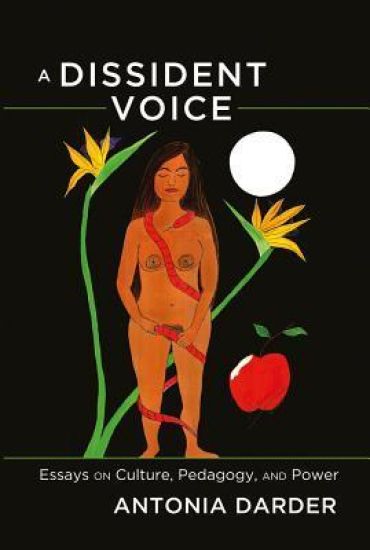
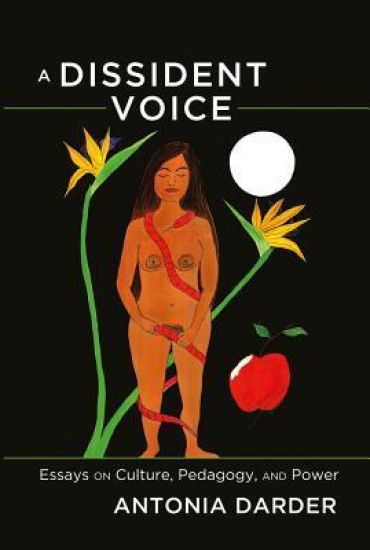
This collection of essays by Antonia Darder engages a variety of political questions rooted within the contentious terrain of culture and power in the United States. Divided into seven sections that focus on biculturalism, racism, culture and schooling, language rights, Latino issues, the politics of the body, and a public pedagogy of dissent, the essays forcefully speak to the multiple ways in which the dominant culture shapes and perpetuates widespread inequalities and social exclusions, at the expense of oppressed populations. Spanning twenty years, this timely collection not only provides deeply unique political insights on important theoretical and practical concerns, but also offers the reader a historical glimpse into the literary evolution of one of the foremost radical education scholars of our time. Along with the intellectual ingenuity of her scholarly arguments, Darder beautifully weaves each section together with her poems of dissent. A Dissident Voice should be read by every student, professor, administrator and educated reader interested in alternative voices in education.
This collection of essays by Antonia Darder engages a variety of political questions rooted within the contentious terrain of culture and power in the United States. Divided into seven sections that focus on biculturalism, racism, culture and schooling, language rights, Latino issues, the politics of the body, and a public pedagogy of dissent, the essays forcefully speak to the multiple ways in which the dominant culture shapes and perpetuates widespread inequalities and social exclusions, at the expense of oppressed populations. Spanning twenty years, this timely collection not only provides deeply unique political insights on important theoretical and practical concerns, but also offers the reader a historical glimpse into the literary evolution of one of the foremost radical education scholars of our time. Along with the intellectual ingenuity of her scholarly arguments, Darder beautifully weaves each section together with her poems of dissent. A Dissident Voice should be read by every student, professor, administrator and educated reader interested in alternative voices in education.
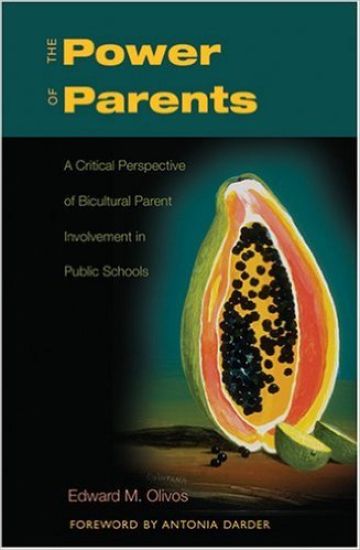
Delving into the often unexplored areas of class, race, and power struggles, The Power of Parents poses a unique and original critical examination of the relationship between bicultural parents and the school system. Written with students and practitioners in mind, it challenges past research that has traditionally argued bicultural parents are incompetent, apathetic, and do not value education, hence the cause of their children's academic underachievement. This book sheds new light on why bicultural parents often mistrust the school system and uncovers the contradictions inherent in the relationship between them and school personnel.
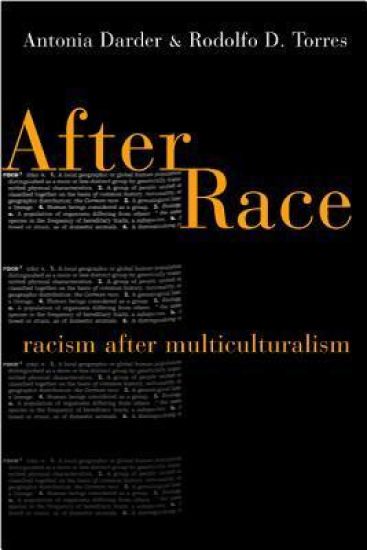
After Race pushes us beyond the old "race vs. class" debates to delve deeper into the structural conditions that spawn racism. Darder and Torres place the study of racism forthrightly within the context of contemporary capitalism. While agreeing with those who have argued that the concept of "race" does not have biological validity, they go further to insist that the concept also holds little political, symbolic, or descriptive value when employed in social science and policy research. Darder and Torres argue for the need to jettison the concept of "race," while calling adamantly for the critical study of racism. They maintain that an understanding of structural class inequality is fundamentally germane to comprehending the growing significance of racism in capitalist America.
After Race pushes us beyond the old "race vs. class" debates to delve deeper into the structural conditions that spawn racism. Darder and Torres place the study of racism forthrightly within the context of contemporary capitalism. While agreeing with those who have argued that the concept of "race" does not have biological validity, they go further to insist that the concept also holds little political, symbolic, or descriptive value when employed in social science and policy research. Darder and Torres argue for the need to jettison the concept of "race," while calling adamantly for the critical study of racism. They maintain that an understanding of structural class inequality is fundamentally germane to comprehending the growing significance of racism in capitalist America.