Kirjojen hintavertailu. Mukana 12 390 323 kirjaa ja 12 kauppaa.
Kirjailija
Anupam Shukla
Kirjat ja teokset yhdessä paikassa: 7 kirjaa, julkaisuja vuosilta 2010-2020, suosituimpien joukossa Intelligent Medical Technologies and Biomedical Engineering. Vertaile teosten hintoja ja tarkista saatavuus suomalaisista kirjakaupoista.
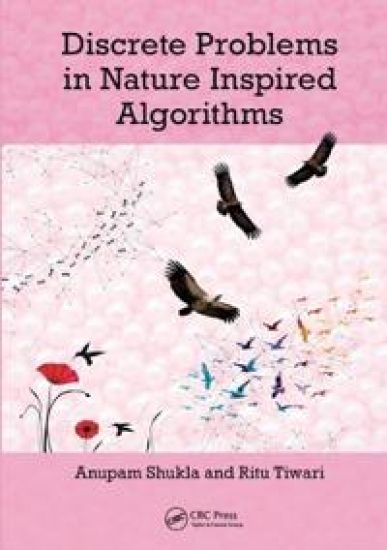
This book includes introduction of several algorithms which are exclusively for graph based problems, namely combinatorial optimization problems, path formation problems, etc. Each chapter includes the introduction of the basic traditional nature inspired algorithm and discussion of the modified version for discrete algorithms including problems pertaining to discussed algorithms.
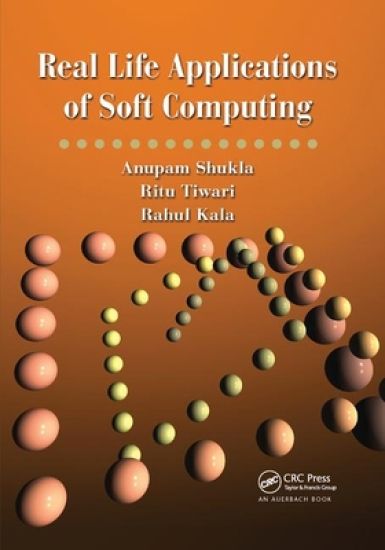
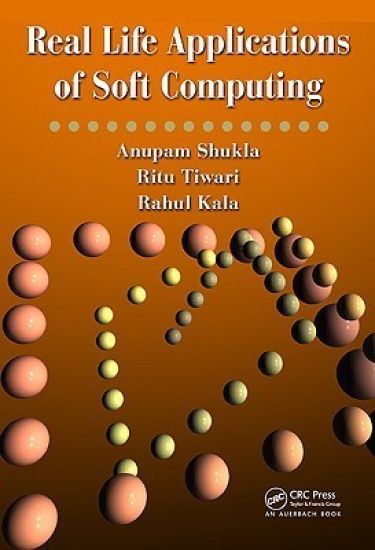
Rapid advancements in the application of soft computing tools and techniques have proven valuable in the development of highly scalable systems and resulted in brilliant applications, including those in biometric identification, interactive voice response systems, and data mining. Although many resources on the subject adequately cover the theoretic concepts, few provide clear insight into practical application.Filling this need, Real Life Applications of Soft Computing explains such applications, including the underlying technology and its implementation. While these systems initially seem complex, the authors clearly demonstrate how they can be modeled, designed, and implemented. Written in a manner that makes it accessible to novices, the book begins by covering the theoretical foundations of soft computing. It supplies a concise explanation of various models, principles, algorithms, tools, and techniques, including artificial neural networks, fuzzy systems, evolutionary algorithms, and hybrid algorithms. Supplying in-depth exposure to real life systems, the text provides: Multi-dimensional coverage supported by references, figures, and tables Warnings about common pitfalls in the implementation process, as well as detailed examinations of possible solutions A timely account of developments in various areas of application Solved examples and exercises in each chapter Detailing a wide range of contemporary applications, the text includes coverage of those in biometric systems, including physiological and behavioral biometrics. It also examines applications in legal threat assessment, robotic path planning, and navigation control. The authors consider fusion methods in biometrics and bioinformatics and also provide effective disease identification techniques. Co
This book includes introduction of several algorithms which are exclusively for graph based problems, namely combinatorial optimization problems, path formation problems, etc. Each chapter includes the introduction of the basic traditional nature inspired algorithm and discussion of the modified version for discrete algorithms including problems pertaining to discussed algorithms.
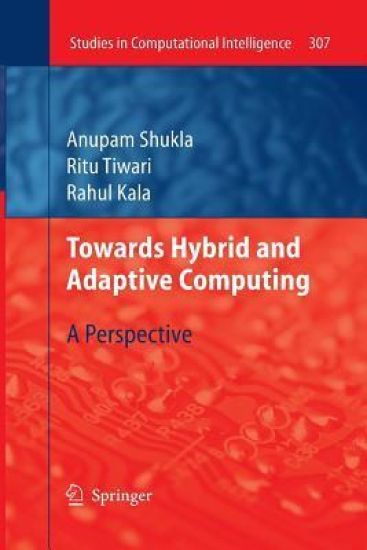
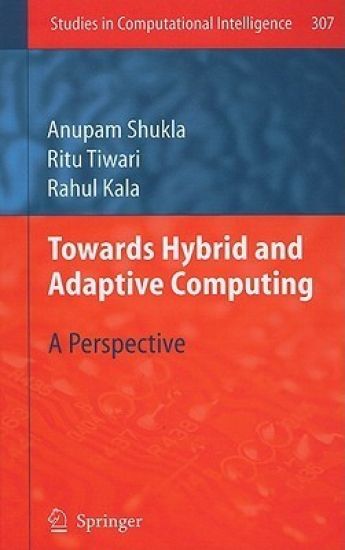
Soft Computing today is a very vast field whose extent is beyond measure. The boundaries of this magnificent field are spreading at an enormous rate making it possible to build computationally intelligent systems that can do virtually anything, even after considering the hostile practical limitations. Soft Computing, mainly comprising of Artificial Neural Networks, Evolutionary Computation, and Fuzzy Logic may itself be insufficient to cater to the needs of various kinds of complex problems. In such a scenario, we need to carry out amalgamation of same or different computing approaches, along with heuristics, to make fabulous systems for problem solving. There is further an attempt to make these computing systems as adaptable as possible, where the value of any parameter is set and continuously modified by the system itself. This book first presents the basic computing techniques, draws special attention towards their advantages and disadvantages, and then motivates their fusion, in a manner to maximize the advantages and minimize the disadvantages. Conceptualization is a key element of the book, where emphasis is on visualizing the dynamics going inside the technique of use, and hence noting the shortcomings. A detailed description of different varieties of hybrid and adaptive computing systems is given, paying special attention towards conceptualization and motivation. Different evolutionary techniques are discussed that hold potential for generation of fairly complex systems. The complete book is supported by the application of these techniques to biometrics. This not only enables better understanding of the techniques with the added application base, it also opens new dimensions of possibilities how multiple biometric modalities can be fused together to make effective and scalable systems.
Soft Computing today is a very vast field whose extent is beyond measure. The boundaries of this magnificent field are spreading at an enormous rate making it possible to build computationally intelligent systems that can do virtually anything, even after considering the hostile practical limitations. Soft Computing, mainly comprising of Artificial Neural Networks, Evolutionary Computation, and Fuzzy Logic may itself be insufficient to cater to the needs of various kinds of complex problems. In such a scenario, we need to carry out amalgamation of same or different computing approaches, along with heuristics, to make fabulous systems for problem solving. There is further an attempt to make these computing systems as adaptable as possible, where the value of any parameter is set and continuously modified by the system itself. This book first presents the basic computing techniques, draws special attention towards their advantages and disadvantages, and then motivates their fusion, in a manner to maximize the advantages and minimize the disadvantages. Conceptualization is a key element of the book, where emphasis is on visualizing the dynamics going inside the technique of use, and hence noting the shortcomings. A detailed description of different varieties of hybrid and adaptive computing systems is given, paying special attention towards conceptualization and motivation. Different evolutionary techniques are discussed that hold potential for generation of fairly complex systems. The complete book is supported by the application of these techniques to biometrics. This not only enables better understanding of the techniques with the added application base, it also opens new dimensions of possibilities how multiple biometric modalities can be fused together to make effective and scalable systems.
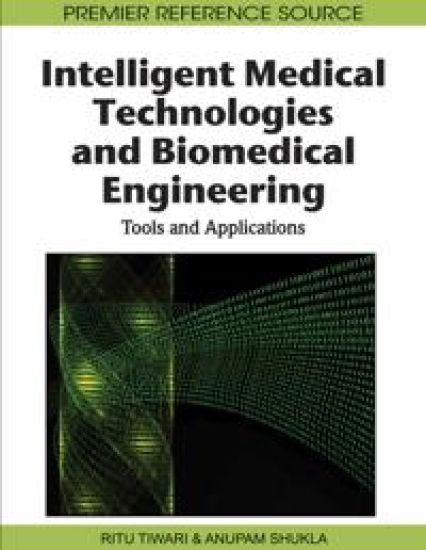
Technology has made it possible to bridge such distinct fields as engineering and medicine, creating systems with benefits that people could have never before imagined.Intelligent Medical Technologies and Biomedical Engineering: Tools and Applications helps young researchers and developers understand the basics of the field while highlighting the various developments over the last several years. Broad in scope and comprehensive in depth, this volume serves as a base text for any project or work into the domain of medical diagnosis or other areas of medical engineering.
Rapid advancements in the application of soft computing tools and techniques have proven valuable in the development of highly scalable systems and resulted in brilliant applications, including those in biometric identification, interactive voice response systems, and data mining. Although many resources on the subject adequately cover the theoretic concepts, few provide clear insight into practical application.Filling this need, Real Life Applications of Soft Computing explains such applications, including the underlying technology and its implementation. While these systems initially seem complex, the authors clearly demonstrate how they can be modeled, designed, and implemented. Written in a manner that makes it accessible to novices, the book begins by covering the theoretical foundations of soft computing. It supplies a concise explanation of various models, principles, algorithms, tools, and techniques, including artificial neural networks, fuzzy systems, evolutionary algorithms, and hybrid algorithms. Supplying in-depth exposure to real life systems, the text provides: Multi-dimensional coverage supported by references, figures, and tables Warnings about common pitfalls in the implementation process, as well as detailed examinations of possible solutions A timely account of developments in various areas of application Solved examples and exercises in each chapter Detailing a wide range of contemporary applications, the text includes coverage of those in biometric systems, including physiological and behavioral biometrics. It also examines applications in legal threat assessment, robotic path planning, and navigation control. The authors consider fusion methods in biometrics and bioinformatics and also provide effective disease identification techniques. Co