Kirjojen hintavertailu. Mukana 12 390 323 kirjaa ja 12 kauppaa.

Kirjailija

Ari Y. Kelman

Kirjat ja teokset yhdessä paikassa: 5 kirjaa, julkaisuja vuosilta 2009-2024, suosituimpien joukossa Shout to the Lord. Vertaile teosten hintoja ja tarkista saatavuus suomalaisista kirjakaupoista.

Mukana myös kirjoitusasut: Ari Y Kelman

5 kirjaa

Kirjojen julkaisuhaarukka 2009-2024.

Jewish Education

Jewish Education

Ari Y Kelman

RUTGERS UNIVERSITY PRESS
2024
sidottu
Most writing about Jewish education has been preoccupied with two questions: What ought to be taught? And what is the best way to teach it? Ari Y Kelman upends these conventional approaches by asking a different question: How do people learn to engage in Jewish life? This book, by centering learning, provides an innovative way of approaching the questions that are central to Jewish education specifically and to religious education more generally. At the heart of Jewish Education is an innovative alphabetical primer of Jewish educational values, qualities, frameworks, catalysts, and technologies which explore the historical ways in which Jewish communities have produced and transmitted knowledge. The book examines the tension between Jewish education and Jewish Studies to argue that shifting the locus of inquiry from “what people ought to know” to “how do people learn” can provide an understanding of Jewish education that both draws on historical precedent and points to the future of Jewish knowledge.
Jewish Education

Jewish Education

Ari Y Kelman

RUTGERS UNIVERSITY PRESS
2024
nidottu
Most writing about Jewish education has been preoccupied with two questions: What ought to be taught? And what is the best way to teach it? Ari Y Kelman upends these conventional approaches by asking a different question: How do people learn to engage in Jewish life? This book, by centering learning, provides an innovative way of approaching the questions that are central to Jewish education specifically and to religious education more generally. At the heart of Jewish Education is an innovative alphabetical primer of Jewish educational values, qualities, frameworks, catalysts, and technologies which explore the historical ways in which Jewish communities have produced and transmitted knowledge. The book examines the tension between Jewish education and Jewish Studies to argue that shifting the locus of inquiry from “what people ought to know” to “how do people learn” can provide an understanding of Jewish education that both draws on historical precedent and points to the future of Jewish knowledge.
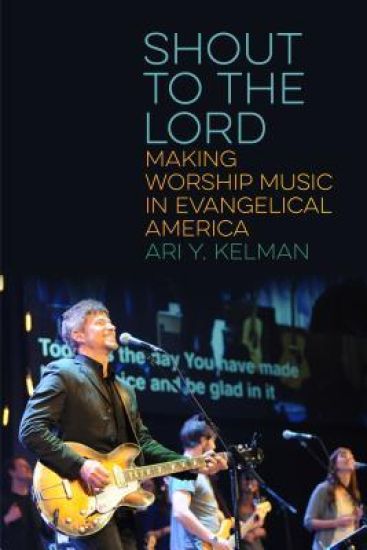
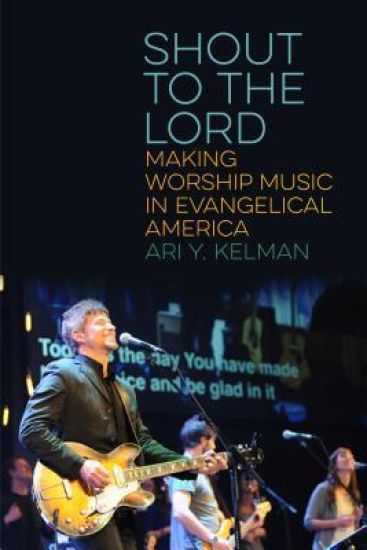
Shout to the Lord

Shout to the Lord

Ari Y. Kelman

New York University Press
2018
sidottu
How music makes worship and how worship makes music in Evangelical churches Music is a nearly universal feature of congregational worship in American churches. Congregational singing is so ingrained in the experience of being at church that it is often misunderstood to be synonymous with worship. For those who assume responsibility for making music for congregational use, the relationship between music and worship is both promising and perilous – promise in the power of musical style and collective singing to facilitate worship, peril in the possibility that the experience of the music might eclipse the worship it was written to facilitate. As a result, those committed to making music for worship are constantly reminded of the paradox that they are writing songs for people who wish to express themselves, as directly as possible, to God. This book shines a new light on how people who make music for worship also make worship from music. Based on interviews with more than 75 songwriters, worship leaders, and music industry executives, Shout to the Lord maps the social dimensions of sacred practice, illuminating how the producers of worship music understand the role of songs as both vehicles for, and practices of, faith and identity. This book accounts for the human qualities of religious experience and the practice of worship, and it makes a compelling case for how – sometimes – faith comes by hearing.
Shout to the Lord

Shout to the Lord

Ari Y. Kelman

New York University Press
2018
pokkari
How music makes worship and how worship makes music in Evangelical churches Music is a nearly universal feature of congregational worship in American churches. Congregational singing is so ingrained in the experience of being at church that it is often misunderstood to be synonymous with worship. For those who assume responsibility for making music for congregational use, the relationship between music and worship is both promising and perilous – promise in the power of musical style and collective singing to facilitate worship, peril in the possibility that the experience of the music might eclipse the worship it was written to facilitate. As a result, those committed to making music for worship are constantly reminded of the paradox that they are writing songs for people who wish to express themselves, as directly as possible, to God. This book shines a new light on how people who make music for worship also make worship from music. Based on interviews with more than 75 songwriters, worship leaders, and music industry executives, Shout to the Lord maps the social dimensions of sacred practice, illuminating how the producers of worship music understand the role of songs as both vehicles for, and practices of, faith and identity. This book accounts for the human qualities of religious experience and the practice of worship, and it makes a compelling case for how – sometimes – faith comes by hearing.
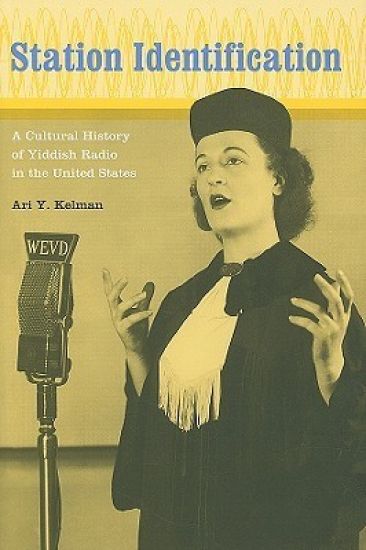
Station Identification

Station Identification

Ari Y. Kelman

University of California Press
2009
sidottu
This study examines the culture of Yiddish radio in the United States during radio's golden age. Ari Y. Kelman explores the dynamic relationships between an immigrant population and a mass medium and between audience and community. By focusing on voices previously excluded from radio histories, this treatment of non-English-language radio breaks new ground in the study of both American mass media and immigrant culture. Yiddish radio directly addressed the everyday lives of Jewish immigrants, while providing them with invaluable guidance as they struggled to become American. Throughout the 1930s and 1940s, radio created a virtual place where Jewish immigrants could listen to voices like theirs and affirm the sound of their community as it evolved, particularly in light of World War II and the years that followed.