Kirjojen hintavertailu. Mukana 12 595 353 kirjaa ja 12 kauppaa.

Kirjailija

Arlene Astell

Kirjat ja teokset yhdessä paikassa: 3 kirjaa, julkaisuja vuosilta 2017-2025, suosituimpien joukossa Nonverbale Kommunikation mit demenzkranken Menschen. Vertaile teosten hintoja ja tarkista saatavuus suomalaisista kirjakaupoista.

3 kirjaa

Kirjojen julkaisuhaarukka 2017-2025.

AgeTech for Staying Connected

AgeTech for Staying Connected

Arlene Astell; David Clayton

Springer International Publishing AG
2025
sidottu
This book is a brief introductory guide to the role AgeTech plays in staying connected in later life. It offers insight into current AgeTech research on staying connected and illustrates entry points for deploying such technologies through a range of personas and scenarios capturing the common circumstances that lead older people to become disconnected, lonely, and isolated. The book provides readers with an accessible resource for understanding what sorts of AgeTech are available, what developments have been made and are currently underway, and what evidence exists for current technologies. The rapid pace of development in AgeTech, particularly in the commercial sphere, along with the competing claims being made for the benefits of many items, makes this practical guidebook essential for researchers and developers, policymakers, service providers and caregivers, and older adults themselves. While not intended to be exhaustive, this book covers basic information on common obstacles and barriers to technology development and adoption, things to keep in mind when using technology, and making the most of what is available to support older adults in staying connected.

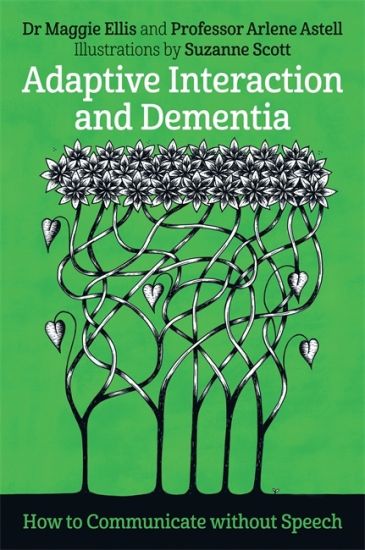
Adaptive Interaction and Dementia

Adaptive Interaction and Dementia

Maggie Ellis; Arlene Astell

Jessica Kingsley Publishers
2017
pokkari
This guide to Adaptive Interaction explains how to assess the communication repertoires of people with dementia who can no longer speak, and offers practical interventions for those who wish to interact with them.Outlining the challenges faced by people living with advanced dementia, this book shows how to relieve the strain on relationships between them, their families, and professional caregivers through better, person-centred communication. It includes communication assessment tools and guidance on how to build on the communication repertoire of the individual with dementia using nonverbal means including imitation, facial expressions, sounds, movement, eye gaze and touch. With accessible evidence and case studies based on the authors' research, Adaptive Interaction can be used as the basis for developing interactions without words with people living with dementia.