

Kirjailija
Arlene Dávila
Kirjat ja teokset yhdessä paikassa: 17 kirjaa, julkaisuja vuosilta 1997-2026, suosituimpien joukossa Visualizing Latinx. Vertaile teosten hintoja ja tarkista saatavuus suomalaisista kirjakaupoista.
Mukana myös kirjoitusasut: Arlene Davila
17 kirjaa
Kirjojen julkaisuhaarukka 1997-2026.

Charts racialized and class-based exclusion in Morningside Heights and its surrounding area by elite institutions New York City's storied diversity has also been a story of racialized class discrimination. Towering Above Harlem focuses on understudied players in this process: the elite institutions of Morningside Heights—Columbia University, Teachers College and the Riverside Church—to reveal the troubling ways in which they exploited existing geographic features to build a racially and economically exclusive "city on a hill." In his final book-length work, Steven Gregory explores the long history of economic and racial discrimination in Morningside Heights, beginning in the late 19th century and extending into the present day. This exclusion of the surrounding racial minorities and working-class population has been enacted physically, through the acquisition of property by Columbia and others, but it has also been enacted through a variety of discourses and practices aimed at setting apart the so-called "civilization-building" mission of the elites overlooking Harlem from the racialized others in the vicinity. The book shows that the major institutions of Morningside Heights have since the beginning tried to physically secede from the Black and Puerto Rican communities geographically below the Morningside plateau, while also symbolically rising above them as beacons of progress. The volume charts the coordinated effort among elites to use space to naturalize relations of power and prestige, illuminating the past, present, and uncertain future of racial discrimination and exclusivity in Morningside Heights and in New York City at large.

Charts racialized and class-based exclusion in Morningside Heights and its surrounding area by elite institutions New York City's storied diversity has also been a story of racialized class discrimination. Towering Above Harlem focuses on understudied players in this process: the elite institutions of Morningside Heights—Columbia University, Teachers College and the Riverside Church—to reveal the troubling ways in which they exploited existing geographic features to build a racially and economically exclusive "city on a hill." In his final book-length work, Steven Gregory explores the long history of economic and racial discrimination in Morningside Heights, beginning in the late 19th century and extending into the present day. This exclusion of the surrounding racial minorities and working-class population has been enacted physically, through the acquisition of property by Columbia and others, but it has also been enacted through a variety of discourses and practices aimed at setting apart the so-called "civilization-building" mission of the elites overlooking Harlem from the racialized others in the vicinity. The book shows that the major institutions of Morningside Heights have since the beginning tried to physically secede from the Black and Puerto Rican communities geographically below the Morningside plateau, while also symbolically rising above them as beacons of progress. The volume charts the coordinated effort among elites to use space to naturalize relations of power and prestige, illuminating the past, present, and uncertain future of racial discrimination and exclusivity in Morningside Heights and in New York City at large.

Twenty-five years of creative expression from Puerto Rican artists working in Puerto Rico and across its U.S. diaspora Connoting back and forth movement, the word vaivÉn is frequently used to describe the supposed ease with which Puerto Ricans travel between the United States and Puerto Rico. Not just physical but also psychological, this diasporic oscillation is inextricably linked to Puerto Rican heritage, and the fluidity between the two geographies is constant, complex, and profound. A collaboration between the Katherine E. Nash Gallery at the University of Minnesota and Hidrante, San Juan, VaivÉn: 21st-Century Art of Puerto Rico and Its Diaspora showcases the work of forty-three intergenerational artists working from Puerto Rico and its U.S. diaspora who explore the hybridity of memory, language, place, and ancestral knowledge as they relate to acts of witnessing, resistance, and kinship. Highlighting their many artistic genres and styles, this bilingual volume uplifts the cultural and political dynamism and shifting interpretations of home and belonging that are inherent to Puerto Rico amid the perpetual transnational migrations of its people. Artists: Candida Alvarez, Genesis BÁez, Sula Bermudez-Silverman, Ricardo Cabret, Melissa CalderÓn, RodrÍguez Calero, Colectivo MorivivÍ, Nayda Collazo-Llorens, Gisela ColÓn, Cristina CÓrdova, David Antonio Cruz, Maritza DÁvila, Larissa De JesÚs NegrÓn, Ada del Pilar Ortiz, Estrella EsquilÍn, MÓnica FÉlix, CÁndida GonzÁlez, GeoVanna Gonzalez, Ivelisse JimÉnez, Juanita LanzÓ, Natalia Lassalle-Morillo, Olivia Levins Holden, Ricardo Levins Morales, Nora MaitÉ Nieves, HÉctor MÉndez Caratini, Javier OrfÓn, JosuÉ Pellot, Joey QuiÑones, Wanda Raimundi Ortiz, Elizabeth Robles, Amber Robles-Gordon, Jezabeth Roca Gonzalez, Shellyne Rodriguez, Luis RodrÍguez Rosario, RaÚl Romero, G. Rosa-Rey, Juan SÁnchez, Beatriz Santiago MuÑoz, Amarise DeÁn Santo, Edra Soto, Bibiana SuÁrez, Nitza TufiÑo, William Villalongo. Contributors: Yomaira C. Figueroa-VÁsquez, MarÍa Elena Ortiz, Carlos Ortiz Burgos, Monica Uszerowicz.
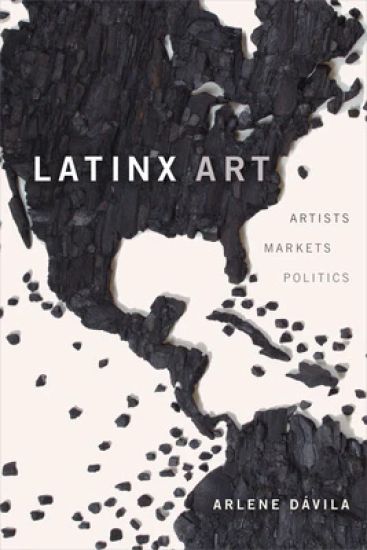
In Latinx Art Arlene Dávila draws on numerous interviews with artists, dealers, and curators to explore the problem of visualizing Latinx art and artists. Providing an inside and critical look of the global contemporary art market, Dávila's book is at once an introduction to contemporary Latinx art and a call to decolonize the art worlds and practices that erase and whitewash Latinx artists. Dávila shows the importance of race, class, and nationalism in shaping contemporary art markets while providing a path for scrutinizing art and culture institutions and for diversifying the art world.
In Latinx Art Arlene Dávila draws on numerous interviews with artists, dealers, and curators to explore the problem of visualizing Latinx art and artists. Providing an inside and critical look of the global contemporary art market, Dávila's book is at once an introduction to contemporary Latinx art and a call to decolonize the art worlds and practices that erase and whitewash Latinx artists. Dávila shows the importance of race, class, and nationalism in shaping contemporary art markets while providing a path for scrutinizing art and culture institutions and for diversifying the art world.
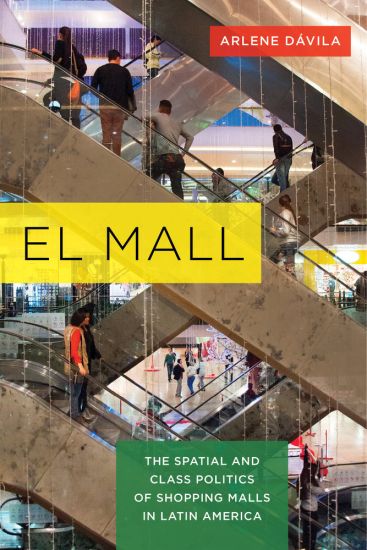
While becoming less relevant in the United States, shopping malls are booming throughout urban Latin America. But what does this mean on the ground? Are shopping malls a sign of the region's "coming of age"? El Mall is the first book to answer these questions and explore how malls and consumption are shaping the conversation about class and social inequality in Latin America. Through original and insightful ethnography, Davila shows that class in the neoliberal city is increasingly defined by the shopping habits of ordinary people. Moving from the global operations of the shopping mall industry to the experience of shopping in places like Bogota, Colombia, El Mall is an indispensable book for scholars and students interested in consumerism and neoliberal politics in Latin America and the world.

While becoming less relevant in the United States, shopping malls are booming throughout urban Latin America. But what does this mean on the ground? Are shopping malls a sign of the region's "coming of age"? El Mall is the first book to answer these questions and explore how malls and consumption are shaping the conversation about class and social inequality in Latin America. Through original and insightful ethnography, Davila shows that class in the neoliberal city is increasingly defined by the shopping habits of ordinary people. Moving from the global operations of the shopping mall industry to the experience of shopping in places like Bogota, Colombia, El Mall is an indispensable book for scholars and students interested in consumerism and neoliberal politics in Latin America and the world.
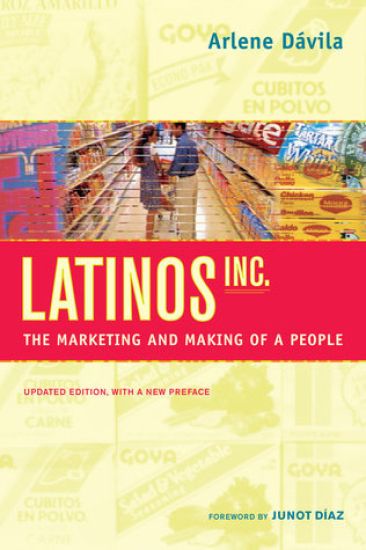
Both Hollywood and corporate America are taking note of the marketing power of the growing Latino population in the United States. And as salsa takes over both the dance floor and the condiment shelf, the influence of Latin culture is gaining momentum in American society as a whole. Yet the increasing visibility of Latinos in mainstream culture has not been accompanied by a similar level of economic parity or political enfranchisement. In this important, original, and entertaining book, Arlene Davila provides a critical examination of the Hispanic marketing industry and of its role in the making and marketing of U.S. Latinos. Davila finds that Latinos' increased popularity in the marketplace is simultaneously accompanied by their growing exotification and invisibility. She scrutinizes the complex interests that are involved in the public representation of Latinos as a generic and culturally distinct people and questions the homogeneity of the different Latino subnationalities that supposedly comprise the same people and group of consumers. In a fascinating discussion of how populations have become reconfigured as market segments, she shows that the market and marketing discourse become important terrains where Latinos debate their social identities and public standing.
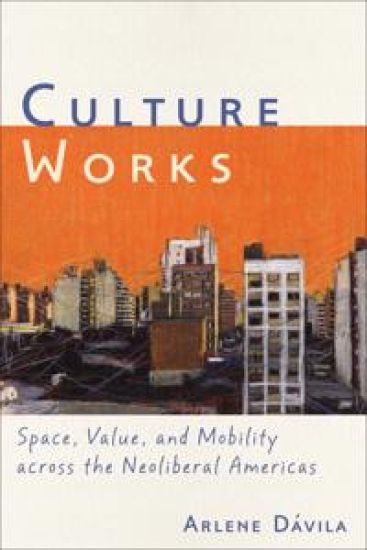
Culture Works addresses and critiques an important dimension of the "work of culture," an argument made by enthusiasts of creative economies that culture contributes to the GDP, employment, social cohesion, and other forms of neoliberal development. While culture does make important contributions to national and urban economies, the incentives and benefits of participating in this economy are not distributed equally, due to restructuring that neoliberal policies have wrought from the 1980s on, as well as long-standing social structures, such as racism and classism, that breed inequality. The cultural economy promises to make life better, particularly in cities, but not everyone can take advantage of it for decent jobs. Exposing and challenging the taken-for-granted assumptions around questions of space, value and mobility that are sustained by neoliberal treatments of culture, Culture Works explores some of the hierarchies of cultural workers that these engender, as they play out in a variety of settings, from shopping malls in Puerto Rico and art galleries in New York to tango tourism in Buenos Aires. Noted scholar Arlene Dávila brilliantly reveals how similar dynamics of space, value and mobility come to bear in each location, inspiring particular cultural politics that have repercussions that are both geographically specific, but also ultimately global in scope.
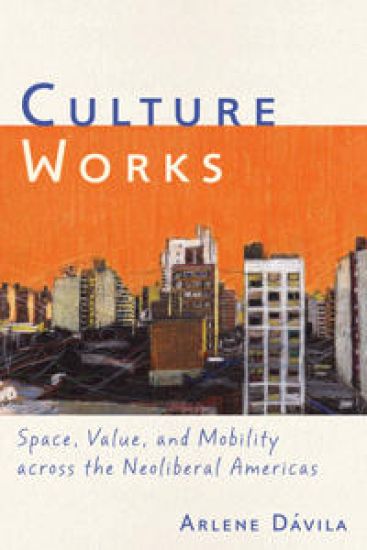
Culture Works addresses and critiques an important dimension of the "work of culture," an argument made by enthusiasts of creative economies that culture contributes to the GDP, employment, social cohesion, and other forms of neoliberal development. While culture does make important contributions to national and urban economies, the incentives and benefits of participating in this economy are not distributed equally, due to restructuring that neoliberal policies have wrought from the 1980s on, as well as long-standing social structures, such as racism and classism, that breed inequality. The cultural economy promises to make life better, particularly in cities, but not everyone can take advantage of it for decent jobs. Exposing and challenging the taken-for-granted assumptions around questions of space, value and mobility that are sustained by neoliberal treatments of culture, Culture Works explores some of the hierarchies of cultural workers that these engender, as they play out in a variety of settings, from shopping malls in Puerto Rico and art galleries in New York to tango tourism in Buenos Aires. Noted scholar Arlene Dávila brilliantly reveals how similar dynamics of space, value and mobility come to bear in each location, inspiring particular cultural politics that have repercussions that are both geographically specific, but also ultimately global in scope.
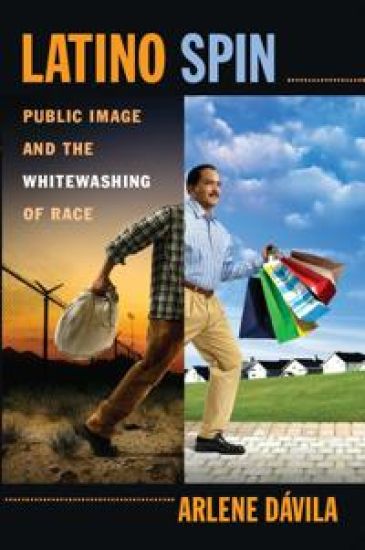
Winner of the 2010 Distinguished Book Award in Latino Studies from the Latin American Studies Association Follows the Latino public image and its impact on U.S. national identity Illegal immigrant, tax burden, job stealer. Patriot, family oriented, hard worker, model consumer. Ever since Latinos became the largest minority in the U.S. they have been caught between these wildly contrasting characterizations leaving us to wonder: Are Latinos friend or foe? Latino Spin cuts through the spin about Latinos' supposed values, political attitudes, and impact on U.S. national identity to ask what these caricatures suggest about Latinos' shifting place in the popular and political imaginary. Noted scholar Arlene Dávila illustrates the growing consensus among pundits, advocates, and scholars that Latinos are not a social liability, that they are moving up and contributing, and that, in fact, they are more American than "the Americans." But what is at stake in such a sanitized and marketable representation of Latinidad? Dávila follows the spin through the realm of politics, think tanks, Latino museums, and urban planning to uncover whether they effectively challenge the growing fear over Latinos' supposedly dreadful effect on the "integrity" of U.S. national identity. What may be some of the intended or unintended consequences of these more marketable representations in regard to current debates over immigration? With particular attention to what these representations reveal about the place and role of Latinos in the contemporary politics of race, Latino Spin highlights the realities they skew and the polarization they effect between Latinos and other minorities, and among Latinos themselves along the lines of citizenship and class. Finally, by considering Latinos in all their diversity, including their increasing financial and geographic disparities, Dávila can present alternative and more empowering representations of Latinidad to help attain true political equity and intraracial coalitions.
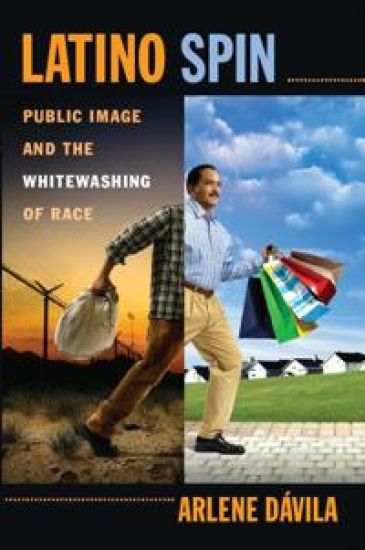
Winner of the 2010 Distinguished Book Award in Latino Studies from the Latin American Studies Association Follows the Latino public image and its impact on U.S. national identity Illegal immigrant, tax burden, job stealer. Patriot, family oriented, hard worker, model consumer. Ever since Latinos became the largest minority in the U.S. they have been caught between these wildly contrasting characterizations leaving us to wonder: Are Latinos friend or foe? Latino Spin cuts through the spin about Latinos' supposed values, political attitudes, and impact on U.S. national identity to ask what these caricatures suggest about Latinos' shifting place in the popular and political imaginary. Noted scholar Arlene Dávila illustrates the growing consensus among pundits, advocates, and scholars that Latinos are not a social liability, that they are moving up and contributing, and that, in fact, they are more American than "the Americans." But what is at stake in such a sanitized and marketable representation of Latinidad? Dávila follows the spin through the realm of politics, think tanks, Latino museums, and urban planning to uncover whether they effectively challenge the growing fear over Latinos' supposedly dreadful effect on the "integrity" of U.S. national identity. What may be some of the intended or unintended consequences of these more marketable representations in regard to current debates over immigration? With particular attention to what these representations reveal about the place and role of Latinos in the contemporary politics of race, Latino Spin highlights the realities they skew and the polarization they effect between Latinos and other minorities, and among Latinos themselves along the lines of citizenship and class. Finally, by considering Latinos in all their diversity, including their increasing financial and geographic disparities, Dávila can present alternative and more empowering representations of Latinidad to help attain true political equity and intraracial coalitions.
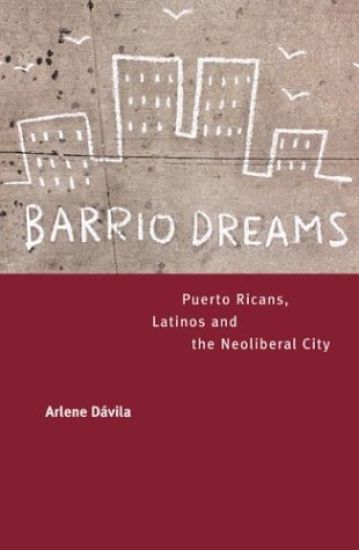
Arlene Davila brilliantly considers the cultural politics of urban space in this lively exploration of Puerto Rican and Latino experience in New York, the global center of culture and consumption, where Latinos are now the biggest minority group. Analyzing the simultaneous gentrification and Latinization of what is known as El Barrio or Spanish Harlem, Barrio Dreams makes a compelling case that--despite neoliberalism's race-and ethnicity-free tenets--dreams of economic empowerment are never devoid of distinct racial and ethnic considerations. Davila scrutinizes dramatic shifts in housing, the growth of charter schools, and the enactment of Empowerment Zone legislation that promises upward mobility and empowerment while shutting out many longtime residents. Foregrounding privatization and consumption, she offers an innovative look at the marketing of Latino space. She emphasizes class among Latinos while touching on black-Latino and Mexican-Puerto Rican relations. Providing a unique multifaceted view of the place of Latinos in the changing urban landscape, Barrio Dreams is one of the most nuanced and original examinations of the complex social and economic forces shaping our cities today.
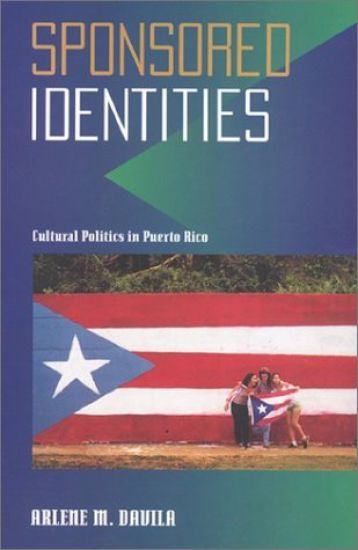
\u0022Now everybody loves Puerto Rican culture,\u0022 says a Puerto Rican schoolteacher and festival organizer, \u0022but that's exactly the problem.\u0022 Thus begins this major examination of cultural nationalism as a political construct involving party ideologies, corporate economic goals, and grassroots cultural groups. Author Arlene Davila focuses on the Institute for Puerto Rican Culture, the government institution charged with defining authenticated views of national identity since the 1950s, and on popular festival organizers to illuminate contestations over appropriate representations of culture in the increasingly mass-mediated context of contemporary Puerto Rico. She examines the creation of an essentialist view of nationhood based on a peasant culture and a \u0022unifying\u0022 Hispanic heritage, and the ways in which grassroots organizations challenge and reconfigure definitions of national identity through their own activities and representations. Davila pays particular attention to the increasing prominence of corporate sponsorship in determining what is distinguished as authentic \u0022Puerto Rican culture\u0022 and discusses the politicization of culture as a discourse to debate and legitimize conflicting claims from selling commercial product to advocating divergent status options for the island. In so doing, Davila illuminates the prospects for cultural identities in an increasingly transnational context by showing the growth of cultural nationalism to be intrinsically connected to forms of political action directed to the realm of culture and cultural politics. This in-depth examination also makes clear that despite contemporary concerns with \u0022authenticity,\u0022 commercialism is an inescapable aspect of all cultural expression on the island.
\u0022Now everybody loves Puerto Rican culture,\u0022 says a Puerto Rican schoolteacher and festival organizer, \u0022but that's exactly the problem.\u0022 Thus begins this major examination of cultural nationalism as a political construct involving party ideologies, corporate economic goals, and grassroots cultural groups. Author Arlene Davila focuses on the Institute for Puerto Rican Culture, the government institution charged with defining authenticated views of national identity since the 1950s, and on popular festival organizers to illuminate contestations over appropriate representations of culture in the increasingly mass-mediated context of contemporary Puerto Rico. She examines the creation of an essentialist view of nationhood based on a peasant culture and a \u0022unifying\u0022 Hispanic heritage, and the ways in which grassroots organizations challenge and reconfigure definitions of national identity through their own activities and representations. Davila pays particular attention to the increasing prominence of corporate sponsorship in determining what is distinguished as authentic \u0022Puerto Rican culture\u0022 and discusses the politicization of culture as a discourse to debate and legitimize conflicting claims from selling commercial product to advocating divergent status options for the island. In so doing, Davila illuminates the prospects for cultural identities in an increasingly transnational context by showing the growth of cultural nationalism to be intrinsically connected to forms of political action directed to the realm of culture and cultural politics. This in-depth examination also makes clear that despite contemporary concerns with \u0022authenticity,\u0022 commercialism is an inescapable aspect of all cultural expression on the island.