Kirjojen hintavertailu. Mukana 12 390 323 kirjaa ja 12 kauppaa.
Kirjailija
Arlene Hirschfelder
Kirjat ja teokset yhdessä paikassa: 11 kirjaa, julkaisuja vuosilta 1999-2023, suosituimpien joukossa Native Americans Today. Vertaile teosten hintoja ja tarkista saatavuus suomalaisista kirjakaupoista.
A celebration of achievement, accomplishments, and courage Native American Medal of Honor recipients, Heisman Trophy recipients, U.S. Olympians, a U.S. vice president, Congressional representatives, NASA astronauts, Pulitzer Prize recipients, U.S. poet laureates, Oscar winners, and more. The first Native magician, all-Native comedy show, architects, attorneys, bloggers, chefs, cartoonists, psychologists, religious leaders, filmmakers, educators, physicians, code talkers, and inventors. Luminaries like Jim Thorpe, King Kamehameha, Debra Haaland, and Will Rogers, along with less familiar notables such as Native Hawaiian language professor and radio host Larry Lindsey Kimura and Cree/Mohawk forensic pathologist Dr. Kona Williams. Their stories plus the stories of 2000 other people, events and places are presented in Indigenous Firsts: A History of Native American Achievements and Events, including ...Suzanne Van Cooten, Ph.D., Chickasaw Nation, the first Native female meteorologist in the countryCaleb Cheeshahteaumuck, Wampanoag from Martha's Vineyard, graduate of Harvard College in 1665Debra Haaland, the Pueblo of Laguna, U.S. Congresswoman and Secretary of the InteriorThomas L. Sloan, Omaha, was the first Native American to argue a case before the U.S. Supreme CourtWilliam R. Pogue, Choctaw, astronautJohnston Murray, Chickasaw, the first person of Native American descent to be elected governor in the United States, holding the office in Oklahoma from 1951 to 1955The National Native American Honor Society was founded by acclaimed geneticist Dr. Frank C. Dukepoo, the first Hopi to earn a Ph.D.Louis Sockalexis, Penobscot, became the first Native American in the National Baseball League in 1897 as an outfielder with the Cleveland SpidersJock Soto, Navajo/Puerto Rican, the youngest-ever man to be the principal dancer with the New York City BalletThe Iolani Palace, constructed 1879-1882, the home of the Hawaiian royal family in HonoluluBen Nighthorse Campbell, Northern Cheyenne, U.S. representative and U.S. senator from ColoradoGerald Vizenor, White Earth Nation, writer, literary critic, and journalist for the Minneapolis TribuneEly S. Parker (Hasanoanda, later Donehogawa), Tonawanda Seneca, lieutenant colonel in the Union Army, serving as General Ulysses S. Grant's military secretaryLori Arviso Alvord, the first Navajo woman to become a board-certified surgeonThe Choctaw people's 1847 donation to aid the Irish people suffering from the great famineOtakuye Conroy-Ben, Oglala Lakota, first to earn an environmental engineering Ph.D. at the University of ArizonaDiane J. Willis, Kiowa, former President of the Society of Pediatric Psychology and founding editor of the Journal of Pediatric PsychologyLoren Leman, Alutiiq/Russian-Polish, was the first Alaska Native elected lieutenant governorCarissa Moore, Native Hawaiian, won the Gold Medal in Surfing at the 2020 Tokyo OlympicsWill Rogers, Cherokee, actor, performer, humorist was named the first honorary mayor of Beverly HillsFoods of the Southwest Indian Nations by Lois Ellen Frank, Kiowa, was the first Native American cookbook to win the James Beard AwardDiane Humetewa, Hopi, nominated by President Barack Obama, became the first Native American woman to serve as a federal judgeIndigenous Firsts honors the ongoing and rich history of personal victories and triumphs, and with more than 200 photos and illustrations, this information-rich book also includes a helpful bibliography and an extensive index, adding to its usefulness. This vital collection will appeal to anyone interested in America's amazing history and its resilient and skilled Indigenous people.
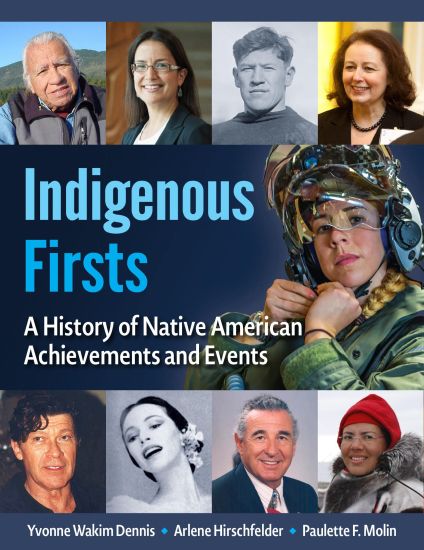
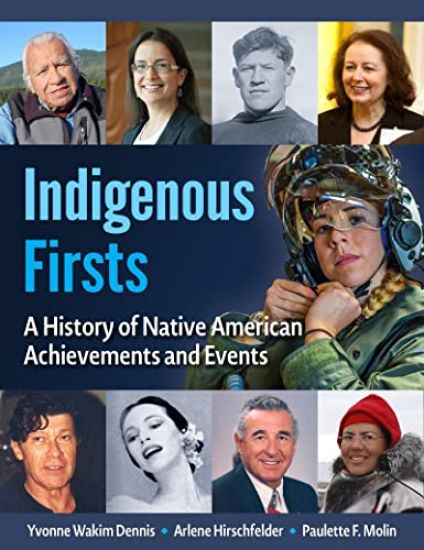
A celebration of achievement, accomplishments, and courage Native American Medal of Honor recipients, Heisman Trophy recipients, U.S. Olympians, a U.S. vice president, Congressional representatives, NASA astronauts, Pulitzer Prize recipients, U.S. poet laureates, Oscar winners, and more. The first Native magician, all-Native comedy show, architects, attorneys, bloggers, chefs, cartoonists, psychologists, religious leaders, filmmakers, educators, physicians, code talkers, and inventors. Luminaries like Jim Thorpe, King Kamehameha, Debra Haaland, and Will Rogers, along with less familiar notables such as Native Hawaiian language professor and radio host Larry Lindsey Kimura and Cree/Mohawk forensic pathologist Dr. Kona Williams. Their stories plus the stories of 2000 people, events and places are presented in Indigenous Firsts: A History of Native American Achievements and Events, including ...Suzanne Van Cooten, Ph.D., Chickasaw Nation, the first Native female meteorologist in the countryCaleb Cheeshahteaumuck, Wampanoag from Martha's Vineyard, graduate of Harvard College in 1665Debra Haaland, the Pueblo of Laguna, U.S. Congresswoman and Secretary of the InteriorSam Campos, the Native Hawaiian who developed the Hawaiian superhero Pineapple ManThomas L. Sloan, Omaha, was the first Native American to argue a case before the U.S. Supreme CourtWilliam R. Pogue, Choctaw, astronautJohnston Murray, Chickasaw, the first person of Native American descent to be elected governor in the United States, holding the office in Oklahoma from 1951 to 1955The Cherokee Phoenix published its first edition February 21, 1828, making it the first tribal newspaper in North America and the first to be published in an Indigenous languageThe National Native American Honor Society was founded by acclaimed geneticist Dr. Frank C. Dukepoo, the first Hopi to earn a Ph.D.Louis Sockalexis, Penobscot, became the first Native American in the National Baseball League in 1897 as an outfielder with the Cleveland SpidersJock Soto, Navajo/Puerto Rican, the youngest-ever man to be the principal dancer with the New York City BalletThe Seminole Tribe of Florida was the first Nation to own and operate an airplane manufacturing companyWarrior's Circle of Honor, the National Native American Veterans Memorial in Washington, DC, on the grounds of the Smithsonian's National Museum of the American IndianThe Iolani Palace, constructed 1879-1882, the home of the Hawaiian royal family in HonoluluLoriene Roy, Anishinaabe, White Earth Nation, professor at the University of Texas at Austin's School of Information, former president of the American Library AssociationBen Nighthorse Campbell, Northern Cheyenne, U.S. representative and U.S. senator from ColoradoHanay Geiogamah, Kiowa /Delaware, founded the American Indian Theatre EnsembleGerald Vizenor, White Earth Nation, writer, literary critic, and journalist for the Minneapolis TribuneEly S. Parker (Hasanoanda, later Donehogawa), Tonawanda Seneca, lieutenant colonel in the Union Army, serving as General Ulysses S. Grant's military secretaryFritz Scholder, Luiseno, painter inducted into the California Hall of FameThe Native American Women Warriors, the first all Native American female color guardLori Arviso Alvord, the first Navajo woman to become a board-certified surgeonKay "Kaibah" C. Bennett, Navajo, teacher, author, and the first woman to run for the presidency of the Navajo NationSandra Sunrising Osawa, Makah Indian Nation, the first Native American to have a series on commercial televisionThe Choctaw people's 1847 donation to aid the Irish people suffering from the great famineOtakuye Conroy-Ben, Oglala Lakota, first to earn an environmental engineering Ph.D. at the University of ArizonaDiane J. Willis, Kiowa, former President of the Society of Pediatric Psychology and founding editor of the Journal of Pediatric PsychologyShelly Niro, Mohawk, winner of Canada's top photography prize, the Scotiabank Photography AwardLoren Leman, Alutiiq/Russian-Polish, was the first Alaska Native elected lieutenant governorKim TallBear, Sisseton-Wahpeton Oyate, the first recipient of the Canada Research Chair in Indigenous Peoples, Technoscience, and EnvironmentCarissa Moore, Native Hawaiian, won the Gold Medal in Surfing at the 2020 Tokyo OlympicsWill Rogers, Cherokee, actor, performer, humorist was named the first honorary mayor of Beverly HillsFoods of the Southwest Indian Nations by Lois Ellen Frank, Kiowa, was the first Native American cookbook to win the James Beard AwardDiane Humetewa, Hopi, nominated by President Barack Obama, became the first Native American woman to serve as a federal judgeSusie Walking Bear Yellowtail, Crow, the first Native American nurse to be inducted into the American Nursing Association Hall of FameIndigenous Firsts honors the ongoing and rich history of personal victories and triumphs, and with more than 200 photos and illustrations, this information-rich book also includes a helpful bibliography and an extensive index, adding to its usefulness. This vital collection will appeal to anyone interested in America's amazing history and its resilient and skilled Indigenous people.
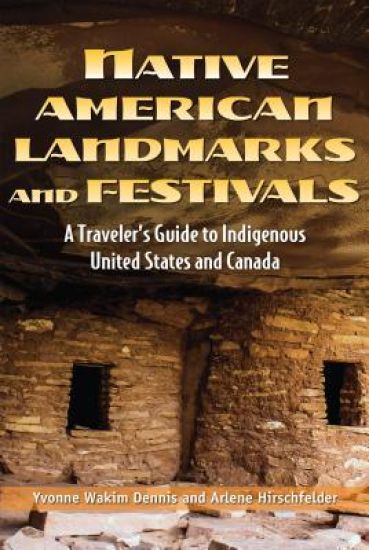
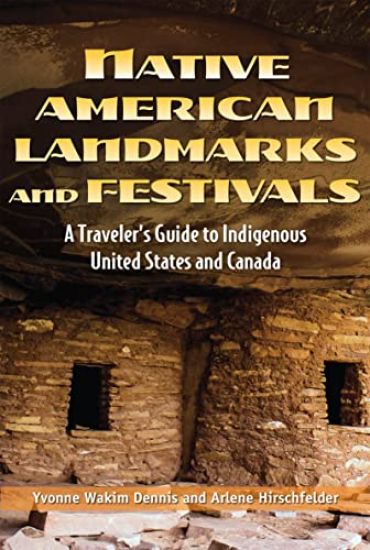
From ancient rock drawings, historic sites, and modern museums, to eco and cultural tourism, sports events and powwows, the Native American Landmarks and Festivals: A Traveler's Guide to United States and Canadian Tribes, provides a fascinating tour of the rich heritage of Indigenous people across the continent. Native American Landmarks and Festivals guides the traveler to 729 landmarks, festivals, and events in all 50 US states and Canada.
A state-by-state (and Canada too!) tour of monuments, events, sites, and festivals of Indigenous American historyFrom ancient rock drawings, historic sites, and modern museums to eco- and cultural tourism, sports events and powwows, the Native American Landmarks and Festivals: A Traveler’s Guide to Indigenous United States and Canada provides a fascinating tour of the rich heritage of Indigenous people across the continent. Whether it’s the annual All Indian Rodeo in Las Vegas, Nevada, a dog-sledding trek in Arctic Bay, Nunavut, or a rough ride to the ancient Kaunolu Village Site on Lanai, Hawaii, there is lots more to experience in the Indigenous world right around the corner, including … The Montezuma Castle National Monument Trail of Tears National Historic Trail The Red Earth Festival in Oklahoma City The Autry Museum of the American West The Mashantucket Pequot Museum & Research Center The Thunderbird Powwow The First Nations Film and Video Festival in various cities and states The Angel Mounds State Memorial The Harvest Moon American Indian Festival The Little Bighorn Battlefield National Monument Canada’s National Aboriginal Veterans Monument And hundreds more! Native American Landmarks and Festivals guides the traveler to 729 landmarks, sites, festivals, and events in all 50 states and Canada. Travelers not only read about the history and traditions for each site, but maps, photos, illustrations, addresses and websites are also included to help further exploration. This book lets the reader choose from a vast array of “authentic” adventures such as dog sledding, camping in a tipi, hunting and fishing expeditions, researching the history with the people who made the history, making crafts, herbal walks, building and sailing in canoes, hiking along ancient routes, exploring rock art, and preparing and eating Native foods. Organized by region, Indigenous enterprises are included in state and federal parks, including federal and international heritage sites, public and private museums and non-Native events that include Indigenous voice. This convenient reference also has a helpful bibliography and an extensive index, adding to its usefulness. Whether traveling by car, plane, or armchair, Native American Landmarks and Festivals: A Traveler’s Guide to Indigenous United States and Canada will bring hours of enjoyable discovery.
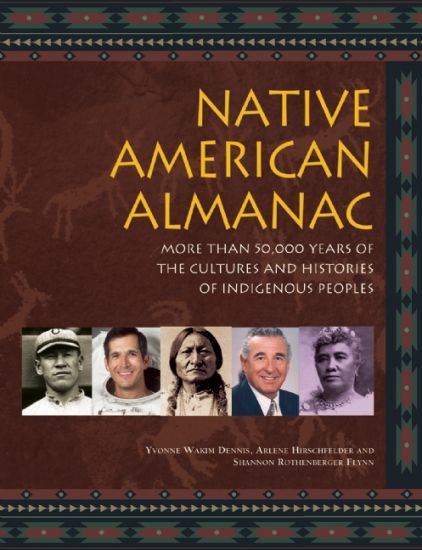
A primer on the Native American experience, presenting the rich history and continuing legacy of the indigenous and tribal nations. Fascinating biographies, insightful quotes, detailed data and absorbing narratives bring the stories of indigenous people to life, bringing unique insight into the American nation.
While Native Americans are perhaps the most studied people in our society, they too often remain the least understood and visible. Fictions and stereotypes predominate, obscuring substantive and fascinating facts about Native societies. The Extraordinary Book of Native American Lists works to remedy this problem by compiling fun, unique, and significant facts about Native groups into one volume, complete with references to additional online and print resources. In this volume, readers can learn about Native figures from a diverse range of cultures and professions, including award-winning athletes, authors, filmmakers, musicians, and environmentalists. Readers are introduced to Native U.S. senators, Medal of Freedom winners, Medal of Honor recipients, Major League baseball players, and U.S. Olympians, as well as a U.S. vice president, a NASA astronaut, a National Book Award recipient, and a Pulitzer Prize winner. Other categories found in this book are: History Stereotypes and Myths Tribal Government Federal-Tribal Relations State-Tribal Relations Native Lands and Environmental Issues Health Religion Economic Development Military Service and War Education Native Languages Science and Technology Food Visual Arts Literary and Performing Arts Film Music and Dance Print, Radio, and Television Sports and Games Exhibitions, Pageants, and Shows Alaska Natives Native Hawaiians Urban Indians Including further fascinating facts, this wonderful resource will be a great addition not only to tribal libraries but to public and academic libraries, individuals, and scholars as well.
This book offers a comprehensive introduction to historic and contemporary efforts to regulate tobacco and reduce the staggering number of people who die from using tobacco products. With calls for greater government regulation of tobacco culminating in the historic June 2009 passage of federal antismoking legislation, Tobacco could not be more timely. It is the most authoritative and accessible volume available on the evolution of tobacco consumption as well as efforts to protect consumers from its dangers. Tobacco focuses on five key issues: tobacco excise taxation and health policy; the often misleading advertising of cigarettes and "low tar/nicotine" alternatives; the role of the Food and Drug Administration in regulating tobacco; education and prevention efforts aimed at children and teens; and environmental tobacco health risks, including second hand smoke. It is an eye-opening introduction to the entire history of efforts to regulate tobacco—from its beginnings in the Progressive Era of the early 20th century to recent efforts to uncover suppressed medical reports, ban smoking ads, and get smoking out of the movies.
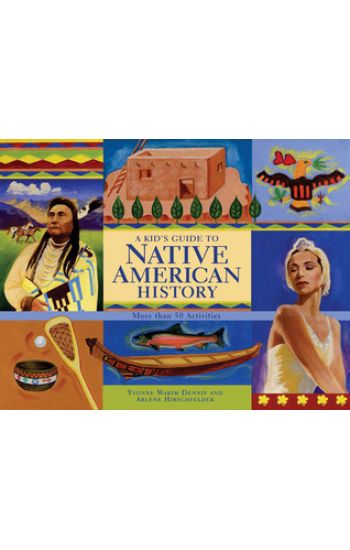
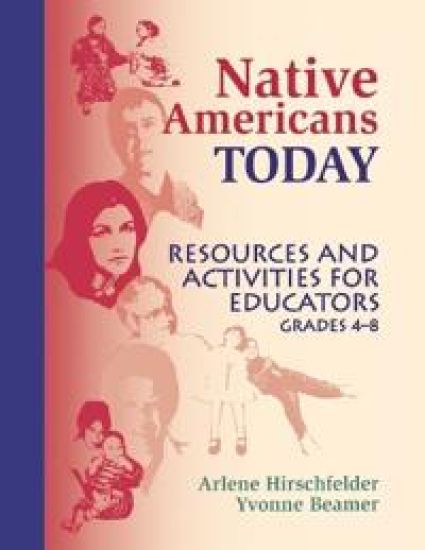
Hands-on activities, games, and crafts introduce children to the diversity of Native American cultures and teach them about the people, experiences, and events that have helped shape America, past and present. Nine geographical areas cover a variety of communities like the Mohawk in the Northeast, Ojibway in the Midwest, Shoshone in the Great Basin, Apache in the Southwest, Yupik in Alaska, and Native Hawaiians, among others. Lives of historical and contemporary notable individuals like Chief Joseph and Maria Tallchief are featured, and the book is packed with a variety of topics like first encounters with Europeans, Indian removal, Mohawk sky walkers, and Navajo code talkers. Readers travel Native America through activities that highlight the arts, games, food, clothing, and unique celebrations, language, and life ways of various nations. Kids can make Haudensaunee corn husk dolls, play Washoe stone jacks, design Inupiat sun goggles, or create a Hawaiian Ma’o-hauhele bag. A time line, glossary, and recommendations for Web sites, books, movies, and museums round out this multicultural guide.
Discusses terminology, stereotypes, and some things to avoid in planning study units on Native Americans, and lists topics, activities, objectives, enrichment ideas, and brief readings on related subjects.
Here's a comprehensive reference guide that gives readers the entire story about the volatile issue of smoking in North America from the 1600s to the present. This encyclopedia is the ideal source for understanding today's controversies in a historical context. It offers something for everyone, covering social, legal, medical, science, business, and international issues. The A-Z format offers nearly 600 entries (400-800 words each), plus charts, tables, a list of selected topics, and more than 70 photographs. Its chronology starts with Columbus and continues through recent lawsuits. And its appendixes cover a wide range of information, from Surgeon General's reports, to essays by expert contributors, to landmark legal cases regarding workplace issues.
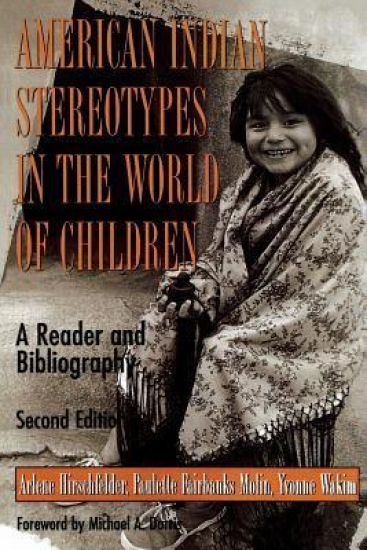
The world of contemporary American infants and young children is saturated with inappropriate images of American Indians. American Indian Stereotypes in the World of Children reveals and discusses these images and cultural stereotypes through writings like Kathy Kerner's previously unpublished essay on Thanksgiving and an essay by Dr. Cornell Pewewardy on Disney's Pocahontas film. This edition incorporates new writings and recent developments, such as a chronology documenting changes associated with the mascot issue, along with information on state legislation. Other new material incorporates powerful commentary by Native American veterans, who speak to the issue of stereotyping against their people in the military. Also includes a new expanded annotated bibliography.