Kirjojen hintavertailu. Mukana 12 657 676 kirjaa ja 12 kauppaa.
Kirjailija
Arthur Freeman
Kirjat ja teokset yhdessä paikassa: 20 kirjaa, julkaisuja vuosilta 1983-2017, suosituimpien joukossa John Payne Collier. Vertaile teosten hintoja ja tarkista saatavuus suomalaisista kirjakaupoista.
John Payne Collier (1789–1883), one of the most controversial figures in the history of literary scholarship, pursued a double career. A prolific and highly influential writer on the drama, poetry, and popular prose of Shakespeare’s age, Collier was at the same time the promulgator of a great body of forgeries and false evidence, seriously affecting the text and biography of Shakespeare and many others. This monumental two-volume work for the first time addresses the whole of Collier’s activity, systematically sorting out his genuine achievements from his impostures.Arthur and Janet Freeman reassess the scholar-forger’s long life, milieu, and relations with a large circle of associates and rivals while presenting a chronological bibliography of his extensive publications, all fully annotated with regard to their creditability. The authors also survey the broader history of literary forgery in Great Britain and consider why so talented a man not only yielded to its temptations but also persisted in it throughout his life.
In our society, medication is often seen as the treatment for severe mental illness, with psychotherapy a secondary treatment. However, quality social interaction may be as important for the recovery of those with severe mental illness as are treatments. This volume makes this point while describing the emotionally moving lives of eight individuals with severe mental illness as they exist in the U.S. mental health system. Offering social and psychological insight into their experiences, these stories demonstrate how patients can create meaningful lives in the face of great difficulties.Based on in-depth interviews with clients with severe mental illness, this volume explores which structures of interaction encourage growth for people with severe mental illness, and which trigger psychological damage. It considers the clients’ relationships with friends, family, peers, spouses, lovers, co-workers, mental health professionals, institutions, the community, and the society as a whole. It focuses specifically on how structures of social interaction can promote or harm psychological growth, and how interaction dynamics affect the psychological well-being of individuals with severe mental illness.
In our society, medication is often seen as the treatment for severe mental illness, with psychotherapy a secondary treatment. However, quality social interaction may be as important for the recovery of those with severe mental illness as are treatments. This volume makes this point while describing the emotionally moving lives of eight individuals with severe mental illness as they exist in the U.S. mental health system. Offering social and psychological insight into their experiences, these stories demonstrate how patients can create meaningful lives in the face of great difficulties.Based on in-depth interviews with clients with severe mental illness, this volume explores which structures of interaction encourage growth for people with severe mental illness, and which trigger psychological damage. It considers the clients’ relationships with friends, family, peers, spouses, lovers, co-workers, mental health professionals, institutions, the community, and the society as a whole. It focuses specifically on how structures of social interaction can promote or harm psychological growth, and how interaction dynamics affect the psychological well-being of individuals with severe mental illness.
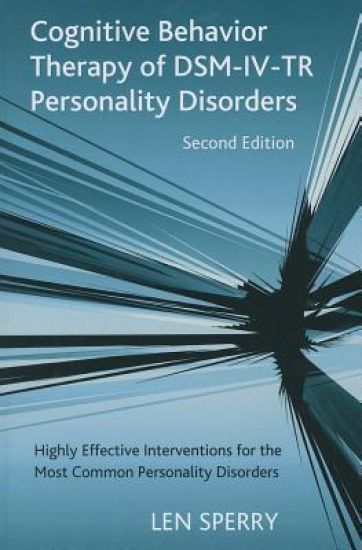
Cognitive Behavior Therapy of DSM-IV-TR Personality Disorders is a timely addition to clinical practice, as personality disorders have received steadily increasing attention in recent years and Cognitive Behavior Therapy is now the most widely practiced theoretical orientation. Thoroughly revised from the first edition, the book offers an overview of the field, with significant updates to reflect the most recent advances in CBT in the treatment of personality disorders. Invaluable as both a text and a professional reference, it emphasizes developmental psychopathology and integrative CBT treatment conceptualizations. It provides busy clinicians with the most effective practical clinical strategies - illustrated with compelling case material - that they need to work effectively with personality-disordered individuals.
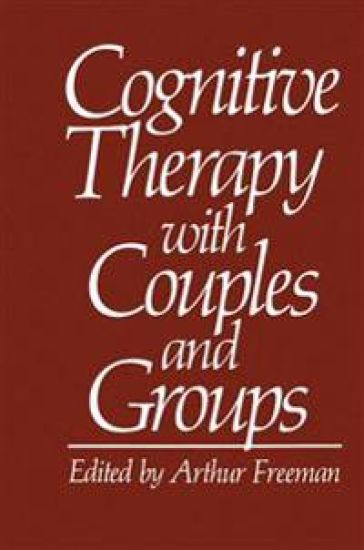
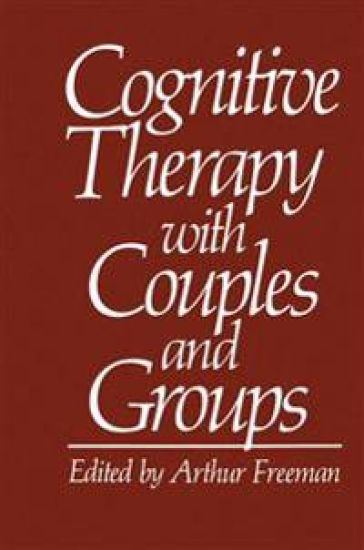
It is with great pride and satisfaction that I welcome the publication of Cognitive Therapy with Couples and Groups. For several years, Arthur Freeman, Director of Clinical Services at the Center for Cognitive Therapy, has been a leader in attempting to extend a cognitive approach to new problems and new populations and to expand the approaches for treating the depressed outpatients for whom this approach was first developed. Dr. Freeman brought to the Center the full range and depth of a diverse clinical background which had and continues to broaden and enrich his work both as a therapist and as a teacher. I believe he has applied these dimensions of his experi ence fully in developing and editing this volume. The chapters in this book clearly reflect those clinical problems that have attracted the keenest interest on the part of practicing cognitive therapist, which are encountered so frequently in the course of treating depression. The utilization of cognitive therapy with couples, families, groups, and in training is a clear example of this process, an intriguing topic in its own right. Conversely, coping with special clinical phe nomena such as loneliness is a familiar problem to therapists of de pressed patients. Laura Primakoff demonstrates her creativity and expe rience in her treatment of this subject. Similarly, the chapters on al coholism and agoraphobia are timely elaborations of the original cogni tive model for the individual treatment of depression.
Patient intake and assessment is a vital aspect of working in hospitals, mental health facilities, and psychiatric wards. This pocket guide provides clinical evaluation tools, performance norm references, and information relevant to intake and triage for doctors, social workers, psychiatrists, residents, and students of these specialties.
This pocket reference details the clinical evaluation and intake/triage of child and adolescent patients. Students will find this guide to be an invaluable tool, while experienced clinicians will appreciate its usefulness as a resource and a refresher.
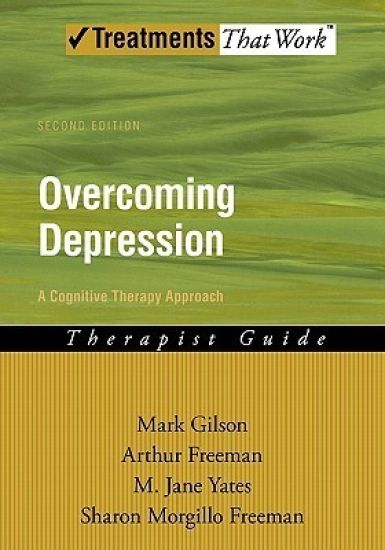
This therapist guide is designed to give mental health professionals the necessary tools to assess and treat a broad range of mood disorders, particularly depression. Based on the principles of cognitive-behavioral therapy, the Taming the BEAST (TTB) program helps patients develop a set of coping strategies and skills to proactively manage their depressed mood. Using the acronym BEAST, treatment modules address biology, emotions, activity, situations, and thoughts. Each module comes complete with step-by-step instructions for delivering treatment including outlines and lists of materials needed. In-session exercises as well as home assignments help motivate the patient and allow for the monitoring of progress. Written by experts in the field, this guide comes complete with chapters on assessment, socialization, and termination. The TTB program offers both therapist and patient a roadmap for overcoming the depression 'beast.' Treatments That Work represents the gold standard of behavioral healthcare interventions! All programs have been rigorously tested in clinical trials and are backed by years of research A prestigious scientific advisory board, led by series Editor-In-Chief David H. Barlow, reviews and evaluates each intervention to ensure that it meets the highest standard of evidence so you can be confident that you are using the most effective treatment available to date Our books are reliable and effective and make it easy for you to provide your clients with the best care available Our corresponding workbooks contain psychoeducational information, forms and worksheets, and homework assignments to keep clients engaged and motivated A companion website (www.oup.com/us/ttw) offers downloadable clinical tools and helpful resources Continuing Education (CE) Credits are now available on select titles in collaboration with PsychoEducational Resources, Inc. (PER)
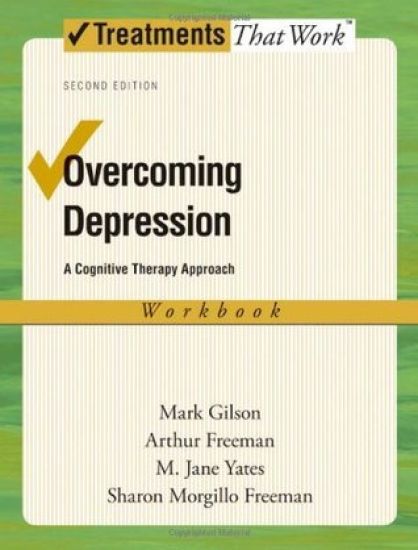
This workbook is designed to help you as you work together with a qualified mental health professional to overcome your depression. The program described will help you develop a set of coping strategies and skills so that you can proactively deal with depression and prevent it from compromising your quality of life. Based on the idea that depression is a "beast" to be tamed, the treatment utilizes an acronym to help you understand the goals of treatment. You will work with your therapist to understand the biology of depression, as well as how your emotions, your activity level, the situations you find yourself in, and the thoughts you have all contribute to your depression (the BEAST). This treatment is scientifically proven and can be used in conjunction with medication. Filled with worksheets and forms for completing in-session exercises, as well as at-home assignments, this workbook provides all the tools you need to successfully overcome your depression and prevent future relapse. Treatments That Work represents the gold standard of behavioral healthcare interventions! All programs have been rigorously tested in clinical trials and are backed by years of research A prestigious scientific advisory board, led by series Editor-In-Chief David H. Barlow, reviews and evaluates each intervention to ensure that it meets the highest standard of evidence so you can be confident that you are using the most effective treatment available to date Our books are reliable and effective and make it easy for you to provide your clients with the best care available Our corresponding workbooks contain psychoeducational information, forms and worksheets, and homework assignments to keep clients engaged and motivated A companion website (www.oup.com/us/ttw) offers downloadable clinical tools and helpful resources Continuing Education (CE) Credits are now available on select titles in collaboration with PsychoEducational Resources, Inc. (PER)
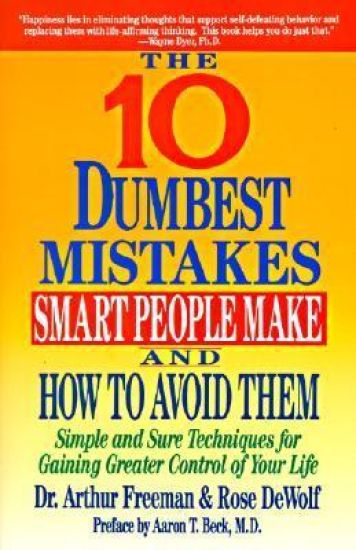
I vårt tänkande styrs vi ofta av orealistiska föreställningar om vår omvärld och oss själva. Detta får till följd att vi gör missbedömingar som blir alltmer besvärande för oss och som färgar allt större områden av vårt beslutsfattande. För att komma ifrån sådana vrångbilder av verkligheten har Freeman och DeWolf sammanställt en lista på de vanligaste misstagen som vi gör. De presenterar också flera enkla tekniker som man kan använda sig av för att öka förmågan att tänka klart och förhindra felbedömningar och fel. Förord och fackgranskning Börje Wistedt.Översättning Per Rundgren
An accessible introduction to the field of clinical psychologyfocused on the roles both science and clinical experience play intoday's evidence-based practice environment Clinical psychology has been undergoing a revolution--driven byresearch and the need to identify and develop scientifically proveninterventions that improve client care. By the time a studentcompletes his or her graduate work, the field will have evolvedeven more. With the role of clinical psychologists and theenvironment in which they work rapidly evolving, the trainingchallenge has never been so great. Thorough and realistic in presentation, Clinical Psychology:Integrating Science and Practice helps students gain the tools theyneed to become thoughtful and effective clinicians. This accessiblywritten text provides a foundation of the basics of thepsychotherapy process, grounded in an integration of its science,theory, and, ultimately, practice. Filled with case examples that illustrate realistic clinicalscenarios, this text offers: * A detailed look at basic clinical tasks and skills that comprisethe nuts and bolts of a practitioner's work * Chapters on research, working with cultural diversity, interviewingand assessment, developing evidence-based treatment plans,practicing ethically, and caring for yourself and colleagues * A consistent format in each chapter made up of learning objectives;chapter introductions; orienting headings and subheadingsthroughout; figures, tables, and boxes; chapter summaries; andhelpful chapter appendixes * An online Instructor's Manual featuring chapter-by-chapter quizzes,essay questions, supporting materials, key words, and PowerPointslides Clinical Psychology: Integrating Science and Practice paints avivid portrait of the work of the clinical psychologist anduniquely illustrates clinical psychology's richness and historicalsignificance, as well as its leadership in the scientificdevelopment of methods and techniques for clinical assessment andintervention.
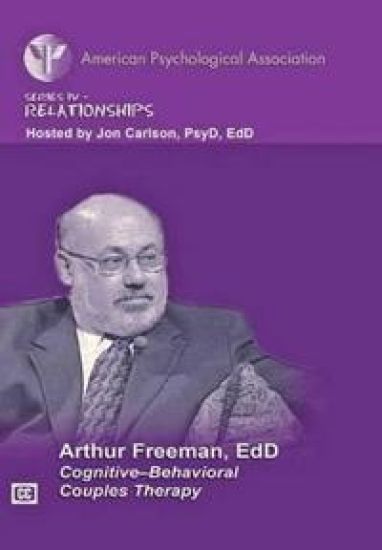
In ""Cognitive-Behavioral Couples Therapy"", Dr. Arthur Freeman demonstrates his approach to working with couples. This is a present-focused therapy that first looks at a couple's past experiences for ways to improve their interpersonal exchanges. Dr. Freeman works from a perspective that motivates a couple to stay together and helps them to focus on this and break away from past patterns of thought and behavior. In this session, Dr. Freeman works with Kim and Si, a couple having communication difficulties. In addition, because of busy work schedules, the demands of caring for a family of six, and past patterns of interaction, they find it hard to make time to spend together. Dr. Freeman helps foster better communication skills and works with them to focus on the future and move away from past patterns of blame, avoidance, and defensiveness.
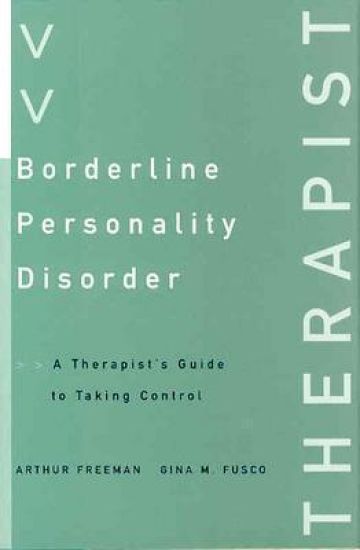
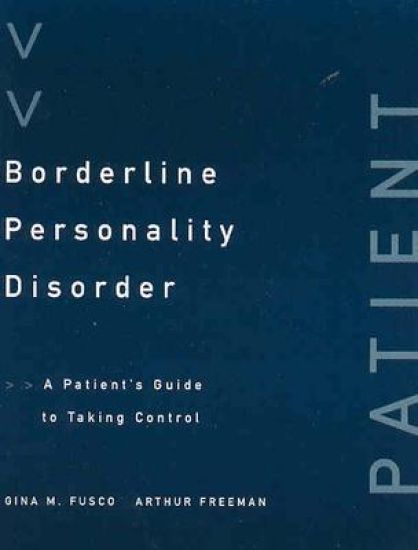
In Borderline Personality Disorder: A Therapist’s Guide to Taking Control, Freeman and Fusco offer the means by which clinicians can get a hold of BPD in the therapeutic situation and, most importantly, in their clients’ lives. Organized in chapters that correspond to each of the nine criteria for BPD the Therapist’s Guide is designed to aid the experienced therapist in performing the focused, structured work necessary with patients. This book lays out a constructive program for organizing effective therapy by moving through each criterion, examining it and whether it is manifested in clients’ life, and, then, providing critical, reflective, and calming strategies by which clients can begin to take control of their lives. The Therapist’s Guide provides the basic structure of the detailed therapeutic exercises that the Patient’s Guide establishes for the client’s use both in therapy and at home in between sessions.
The disorder and lack of control that characterize BPD are, however, organized around consistent habits. The Taking Control Program presented by Fusco and Freeman targets these patterns, helping people understand, address, and, eventually, alter them for the better. Borderline Personality Disorder: A Patient’s Guide to Taking Control is your means to begin to take command of your life by following the therapeutic course described in these pages. Chapter by chapter, you will explore the nine basic patterns that typify BPD. Once you understand each of these patters, you will then assess the degree to which you exhibit any number of those patterns and learn various strategies that you can adopt to address those habits. The Patient’s Guide provides a step-by-step cognitive program rich in worksheets and exercises to facilitate your personal process of self-examination and problem solving. Fusco and Freeman offer those diagnosed with BPD, as well as their therapists, invaluable guidance in negotiating the pitfalls of BPD as you move ahead toward the prospect of retaking control over your life.
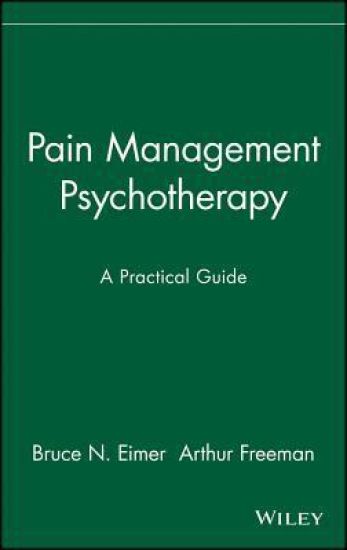
Chronic and persistent pain syndromes are as much behavioral and psychological problems as physical or medical problems. Mental health professionals involved in pain management must have a thorough knowledge of the latest pain management techniques in order to select the best methods and strategies for helping each patient cope with pain. Pain Management Psychotherapy is the most up-to-date comprehensive guide available for the psychological treatment of chronic pain. It addresses the behavioral, emotional, sensory-physiological, cognitive, and interpersonal aspects of pain problems and provides accessible technical knowledge that enables practitioners to alleviate unnecessary pain and suffering. Based on sound research and theory and written by two leading practitioners, this book introduces a short-term therapy model for treating chronic pain that integrates clinical techniques drawn from cognitive therapy, hypnotherapy, behavior therapy, and desensitization therapies. This remarkably thorough volume: *Supplies step-by-step treatment methods from initial consultation through termination of pain treatment *Describes brief, solution-oriented pain treatment strategies that work in a managed care environment *Features assessment and outcome measurement instruments, checklists, worksheets, and clinical scripts *Demonstrates the latest therapeutic techniques, including eye movement desensitization and reprocessing, therapeutic imagery, relaxation training, and self-hypnosis *Includes pain inventories, questionnaires, and other assessment tools This book is an indispensable guide for psychologists, psychiatrists, social workers, and other mental health professionals who need fast, reliable methods for promoting pain relief. It is also an excellent text for undergraduate and graduate students in these and other disciplines, and a valuable reference for insurers, physicians, and managed care providers. BRUCE N. EIMER, PhD, ABPP, a leading pain management therapist, clinical psychologist, and neuropsychologist, is in private practice in Philadelphia. Dr. Eimer is a Diplomate in Behavioral Psychology of the American Board of Professional Psychology, and a Diplomate of the American Academy of Pain Management. He is a member of the American Psychological Association, American Pain Society, International Association for the Study of Pain, and a Certified and Approved Consultant in Clinical Hypnosis of the American Society of Clinical Hypnosis. Dr. Eimer lectures frequently and gives seminars and workshops on pain management and other psychological topics. "This is a practical and informative text that will be of great use to psychologists and psychiatrists who treat people with chronic pain. It is one of the most, specific, helpful, and user friendly volumes on pain management." Dennis C. Turk, PhD John & Emma Bonica Professor of Anesthesiology and Pain Research University of Washington "A remarkable, comprehensive, and practical guide for pain management therapy. Everything you wanted to know about the cognitive-behavioral treatment of people with severe pain problems is exceptionally well presented in this book." Albert Ellis, PhD, President Albert Ellis Institute for Rational Emotive Behavior Therapy Author, A Guide to Rational Living "Pain Management Psychotherapy makes a strong contribution to the clinical literature. It provides a clear overview of the management of persistent pain and offers insight into the psychological and interpersonal nightmare experienced by pain patients. This important work will help therapists better understand and treat chronic debilitating pain." Richard S. Weiner, PhD, Executive Director America 0n Academy of Pain Management "An exceptional handbook. Clinicians will emerge knowing how to mitigate the suffering of people in pain." Arnold A. Lazarus, PhD, ABPP Distinguished Professor of Psychology Emeritus Rutgers University Author, Brief But Comprehensive Psychotherapy "A definitive and comprehensive text for assessing and treating patients suffering acute, subacute, or chronic pain. I heartily endorse and recommend this text to students and practitioners alike." C. David Tollison, PhD Editor, The Handbook of Pain Management "Pain Management Psychotherapy has the best psychological techniques for the care of the chronic pain patient, which includes cognitive-behavioral, EMDR, and hypnosis therapy. This book should be in the library of every clinician who treats chronic pain." Dabney M. Ewin, MD, FACS. Diplomate, American Board of Surgery Diplomate, American Board of Medical Hypnosis
The authors of the bestseller "Woulda, Coulda, Shoulda" recommend realistic ways for readers to obtain greater control of their lives, work, and personal relationships.
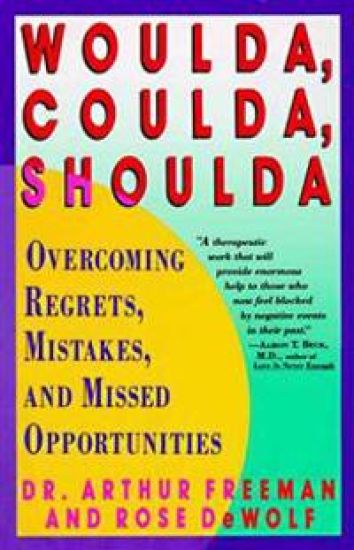
The practical program that enables people to get rid of crippling regrets about the past and regain control of their lives. Analyzes case studies and provides exercises for recognizing and changing negative thought patterns.
It is with great pride and satisfaction that I welcome the publication of Cognitive Therapy with Couples and Groups. For several years, Arthur Freeman, Director of Clinical Services at the Center for Cognitive Therapy, has been a leader in attempting to extend a cognitive approach to new problems and new populations and to expand the approaches for treating the depressed outpatients for whom this approach was first developed. Dr. Freeman brought to the Center the full range and depth of a diverse clinical background which had and continues to broaden and enrich his work both as a therapist and as a teacher. I believe he has applied these dimensions of his experi ence fully in developing and editing this volume. The chapters in this book clearly reflect those clinical problems that have attracted the keenest interest on the part of practicing cognitive therapist, which are encountered so frequently in the course of treating depression. The utilization of cognitive therapy with couples, families, groups, and in training is a clear example of this process, an intriguing topic in its own right. Conversely, coping with special clinical phe nomena such as loneliness is a familiar problem to therapists of de pressed patients. Laura Primakoff demonstrates her creativity and expe rience in her treatment of this subject. Similarly, the chapters on al coholism and agoraphobia are timely elaborations of the original cogni tive model for the individual treatment of depression.