Kirjojen hintavertailu. Mukana 12 595 353 kirjaa ja 12 kauppaa.

Kirjailija

Arthur V. Sellwood

Kirjat ja teokset yhdessä paikassa: 4 kirjaa, julkaisuja vuosilta 2008-2015, suosituimpien joukossa Death Ride from Fenchurch Street and Other Victorian Railway Murders. Vertaile teosten hintoja ja tarkista saatavuus suomalaisista kirjakaupoista.

4 kirjaa

Kirjojen julkaisuhaarukka 2008-2015.

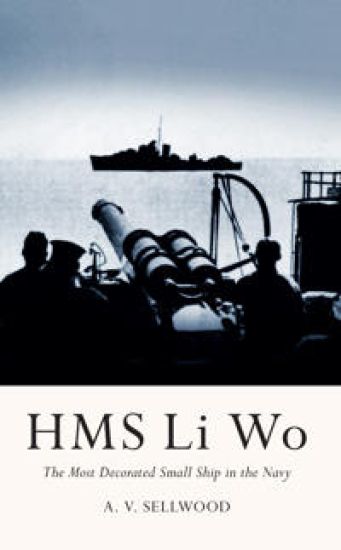
HMS Li Wo

HMS Li Wo

Arthur V. Sellwood

Amberley Publishing
2015
pokkari
Li Wo had been built in 1935 for running a passenger service on the River Yangtse. In 1940, she was requisitioned and commissioned into the Royal Navy at Singapore as HMS Li Wo. Shortly before the surrender of Singapore in February 1942, HMS Li Wo was ordered to head for Batavia, now Jakarta in Indonesia. After coming under air attack, the Li Wo came across a Japanese convoy heading for the island of Sumatra, escorted by a squadron of warships. Armed with one 4-inch gun (with thirteen shells and three practice rounds) and two Lewis guns, the Li Wo attacked. After the war, Li Wo’s commander was awarded a posthumous Victoria Cross for his bravery. A DSO and nine other decorations were awarded to members of Li Wo’s small crew. In this book, A. V. Sellwood has pieced together the almost unbelievable story of the most decorated small ship in the Royal Navy, a story which might otherwise have remained lost in the Admiralty archives.
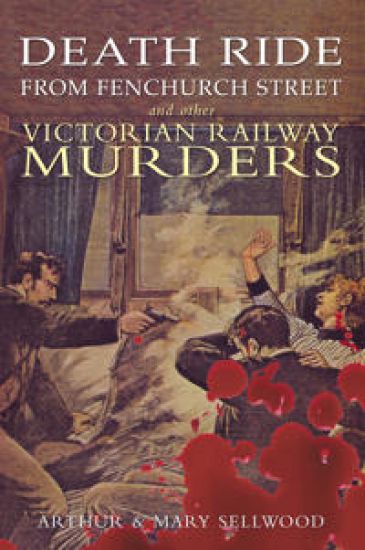
Death Ride from Fenchurch Street and Other Victorian Railway Murders

Death Ride from Fenchurch Street and Other Victorian Railway Murders

Arthur V. Sellwood; Mary Sellwood

Amberley Publishing
2009
nidottu
Death Ride From Fenchurch Street and Other Victorian Railway Murders offers a compelling account of the first murders to be committed on Britain's railways, at a time when the terrified screams of the victims were drowned out by the sound of the train's steam. This book vividly describes how passengers were helpless if attacked in the train's box-like compartments, preventing them from summoning help or stopping the train. The first murders to be committed on Britain's railways caused public outcry and much debate, forcing the railway companies to quickly introduce safety measures to protect vulnerable passengers. Death Ride From Fenchurch Street and Other Victorian Railway Murders follows the work of the police in their attempt to track down the murderers (in a time when there was little scientific help) and bring them to justice. Arthur and Mary Sellwood have written a book which is as sharp and potent as the tang from the bottle of smelling salts which a prudent Victorian lady would have carried when travelling on Britain's railways.
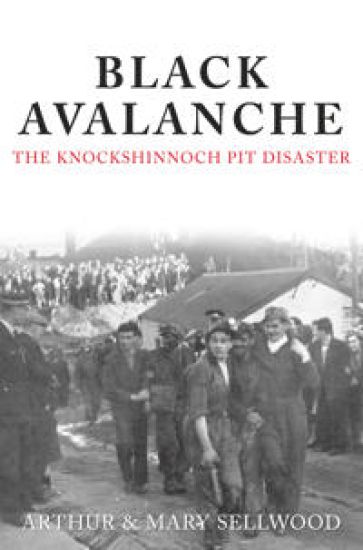
Black Avalanche

Black Avalanche

Arthur V. Sellwood; Mary Sellwood

Amberley Publishing
2009
nidottu
Never has there been a pit disaster to compare in terms of human courage and human error with that which overwhelmed Knockshinnoch Castle Colliery, in New Cumnock, Ayrshire, in the wet September of 1950. Black Avalanche is written by the famous husband and wife team, Arthur and Mary Sellwood, who learnt the truth about the disaster from the men and women who experienced this horrific disaster first hand. This book details each stage of the rescue and reports the reactions of those trapped underground. Black Avalanche tells the story of the men who lived their lives underground and of the women who feared for their safety. Finally, Arthur and Mary Sellwood illustrate how tragedy and disaster can unite people, regardless of their class, age or gender, as they struggle to cope with the situations they find themselves in.
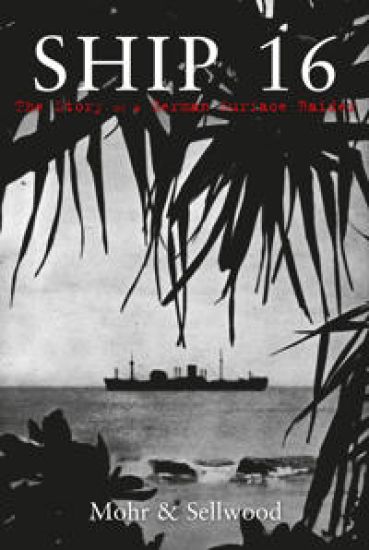
Ship 16

Ship 16

Arthur V. Sellwood; Ulrich Mohr

Amberley Publishing
2008
nidottu
The story of Nazi Germany's most successful commerce raider of World War Two, sinking over 160,000 tons of Allied shipping. Ship 16 sank twenty-two British and Allied ships during its 110,000 miles and 602 days continuously - at sea until she was sunk by HMS Devonshire. Her exploits in the Atlantic and Indian Oceans over almost two years created huge problems for the Allies as they tried to find the mystery ship with twenty-six disguises. Sinking ship after ship, Atlantis also searched them for documents. Finding secret files on the Automedon regarding British troop dispositions in the Far East, this document hastened Japan's entry into the war. Eventually sunk in November 1941, the 350 crew of Atlantis, as Ship 16 had been named, were rescued by U-boat which towed them to the safety of the supply ship Python. Sunk again, four U-boats eventually took the survivors of both Atlantis and Python to safety in France. The story is told by the ship's First Officer and was recounted from his diaries kept aboard the Atlantis.