
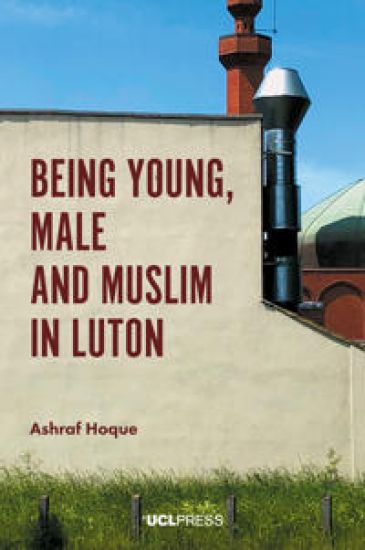
Kirjailija
Ashraf Hoque
Kirjat ja teokset yhdessä paikassa: 3 kirjaa, julkaisuja vuosilta 2018-2019, suosituimpien joukossa Mafia Raj. Vertaile teosten hintoja ja tarkista saatavuus suomalaisista kirjakaupoista.
3 kirjaa
Kirjojen julkaisuhaarukka 2018-2019.
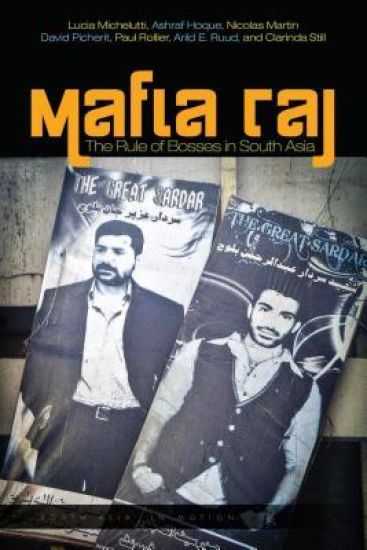
Mafia Raj
Lucia Michelutti; Ashraf Hoque; Nicolas Martin; David Picherit; Paul Rollier; Arild E. Ruud; Clarinda Still
Stanford University Press
2018
pokkari
"Mafia" has become an indigenous South Asian term. Like Italian mobsters, the South Asian "gangster politicians" are known for inflicting brutal violence while simultaneously upholding vigilante justice—inspiring fear and fantasy. But the term also refers to the diffuse spheres of crime, business, and politics operating within a shadow world that is popularly referred to as the rule of the mafia, or "Mafia Raj." Through intimate stories of the lives of powerful and aspiring bosses in India, Pakistan, and Bangladesh, this book illustrates their personal struggles for sovereignty as they climb the ladder of success. Ethnographically tracing the particularities of the South Asian case, the authors theorize what they call "the art of bossing," providing nuanced ideas about crime, corruption, and the lure of the strongman across the world.
Mafia Raj
Lucia Michelutti; Ashraf Hoque; Nicolas Martin; David Picherit; Paul Rollier; Arild E. Ruud; Clarinda Still
STANFORD UNIVERSITY PRESS
2018
sidottu
"Mafia" has become an indigenous South Asian term. Like Italian mobsters, the South Asian "gangster politicians" are known for inflicting brutal violence while simultaneously upholding vigilante justice—inspiring fear and fantasy. But the term also refers to the diffuse spheres of crime, business, and politics operating within a shadow world that is popularly referred to as the rule of the mafia, or "Mafia Raj." Through intimate stories of the lives of powerful and aspiring bosses in India, Pakistan, and Bangladesh, this book illustrates their personal struggles for sovereignty as they climb the ladder of success. Ethnographically tracing the particularities of the South Asian case, the authors theorize what they call "the art of bossing," providing nuanced ideas about crime, corruption, and the lure of the strongman across the world.