Kirjojen hintavertailu. Mukana 12 390 323 kirjaa ja 12 kauppaa.

Kirjailija

Ayesha Ahmed

Kirjat ja teokset yhdessä paikassa: 3 kirjaa, julkaisuja vuosilta 2020-2024, suosituimpien joukossa Research Methods for Educational Dialogue. Vertaile teosten hintoja ja tarkista saatavuus suomalaisista kirjakaupoista.

3 kirjaa

Kirjojen julkaisuhaarukka 2020-2024.

Research Methods for Educational Dialogue

Research Methods for Educational Dialogue

Ruth Kershner; Sara Hennessy; Rupert Wegerif; Ayesha Ahmed

Bloomsbury Academic
2020
nidottu
Research Methods for Educational Dialogue provides an overview of the range of possibilities for researching various forms of educational dialogue, underpinned by a coherent theoretical foundation. The authors, Kershner, Hennessy, Wegerif and Ahmed offer an integrated understanding of different methodological approaches in this fast-growing area of education. The book includes critical discussion of a variety of methods for investigating the characteristics and quality of dialogues for individuals and groups of participants in different educational contexts. These include student-student, teacher-student and wider professional dialogues, conducted face-to-face, online or mediated by classroom technologies. The authors argue for the integration of ethical and methodological principles, and consider the potential for innovative research methods that are dialogic in themselves. Including chapter commentaries from invited experts in the field, authentic research examples and a glossary of terms, this is essential reading for anyone looking to research in the area of educational dialogue.
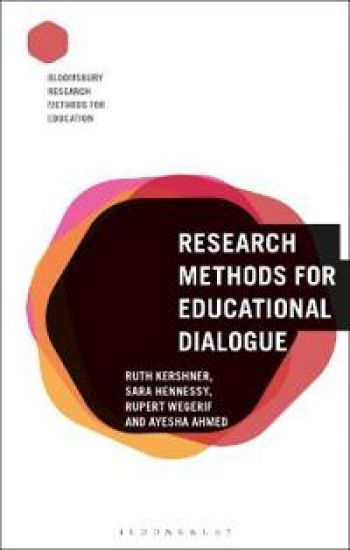
Research Methods for Educational Dialogue

Research Methods for Educational Dialogue

Ruth Kershner; Sara Hennessy; Rupert Wegerif; Ayesha Ahmed

Bloomsbury Academic
2020
sidottu
Research Methods for Educational Dialogue provides an overview of the range of possibilities for researching various forms of educational dialogue, underpinned by a coherent theoretical foundation. The authors, Kershner, Hennessy, Wegerif and Ahmed offer an integrated understanding of different methodological approaches in this fast-growing area of education. The book includes critical discussion of a variety of methods for investigating the characteristics and quality of dialogues for individuals and groups of participants in different educational contexts. These include student-student, teacher-student and wider professional dialogues, conducted face-to-face, online or mediated by classroom technologies. The authors argue for the integration of ethical and methodological principles, and consider the potential for innovative research methods that are dialogic in themselves. Including chapter commentaries from invited experts in the field, authentic research examples and a glossary of terms, this is essential reading for anyone looking to research in the area of educational dialogue.

"Influencing Muslim Students' Public School Experience"
ChatGPT This qualitative inquiry embarked on a profound and introspective exploration into the myriad challenges confronted by Muslim students within the educational landscape of the United States, particularly in the wake of the seismic events of September 11th. With a resolute focus on elucidating the pivotal role played by educational leaders in shaping the educational journeys of Muslim students within the public school domain, the research odyssey unfolded through a series of intimate one-on-one, semi-structured interviews with three educational leaders directly immersed in serving this distinct demographic. Despite the inherent constraints and limitations inherent to the study, the interviews yielded a treasure trove of insightful revelations, coalescing into three overarching thematic pillars that served to underscore the profound and enduring impact of educational leadership on the lived experiences of Muslim students. The first thematic strand illuminated the indispensable significance of cultural fluency and contextual understanding wielded by educational leaders, affording them the acumen and dexterity to conceive and enact bespoke accommodations meticulously tailored to the idiosyncratic needs and exigencies of Muslim students. This bespoke approach, in turn, served as the cornerstone for cultivating an ethos of inclusivity and supportiveness, thus fostering an educational milieu wherein Muslim students felt acknowledged, validated, and empowered to thrive. Delving deeper into the labyrinth of insights gleaned, the second thematic vein unveiled the transformative potency inherent in educational leaders' unwavering commitment to advocating for social justice through the embrace and implementation of inclusive practices. This steadfast commitment served as a potent antidote against the pervasive undercurrents of Islamophobia and bias, thereby fortifying the sense of belonging and acceptance among Muslim students within the crucible of the educational aren