Kirjojen hintavertailu. Mukana 12 487 553 kirjaa ja 12 kauppaa.

Kirjailija

Ayman S. Ibrahim

Kirjat ja teokset yhdessä paikassa: 11 kirjaa, julkaisuja vuosilta 2017-2024, suosituimpien joukossa Concise Guide to the Life of Muhammad. Vertaile teosten hintoja ja tarkista saatavuus suomalaisista kirjakaupoista.

Mukana myös kirjoitusasut: Ayman S Ibrahim

11 kirjaa

Kirjojen julkaisuhaarukka 2017-2024.

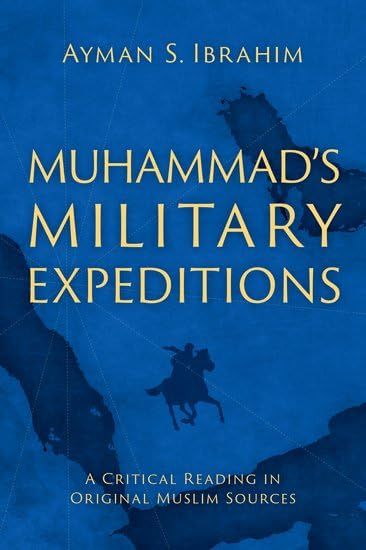
Muhammad's Military Expeditions

Muhammad's Military Expeditions

Ayman S. Ibrahim

OXFORD UNIVERSITY PRESS INC
2024
sidottu
The last ten years of Muhammad's life are vitally important not only to the study of Islam's prophet, but to the development of the religion itself. Prior to that last decade, Muhammad and his followers were tribally weak, and were persecuted by the Arabian elites of Mecca. Yet, according to Muslim accounts, by the end of his life Muhammad had become the sole leader of Western Arabia. This last decade was colored by strategic military expeditions and tactical treaties, in which Muhammad overcame all his tribal enemies. Yet English speakers have long had limited access to thorough studies of these expeditions based on the original Arabic primary sources. In this book, Ayman S. Ibrahim seeks to fill this scholarly gap, presenting an exhaustive account of Muhammad's final decade, with specific emphasis on his military raids against various non-Muslim groups. What can the Muslim tradition reveal about Muhammad's military career? Did he really launch over seventy military campaigns? Why? Can we be certain that the military incursions described in Islamic sources actually took place? These are fundamental questions in any study of the life and activities of Muhammad, and Ibrahim looks for answers in this thoroughly-researched book. Considering the views of Muslims and non-Muslims, the motivations behind raids, and the development of Islam itself, Muhammad's Military Expeditions leaves no stone unturned.
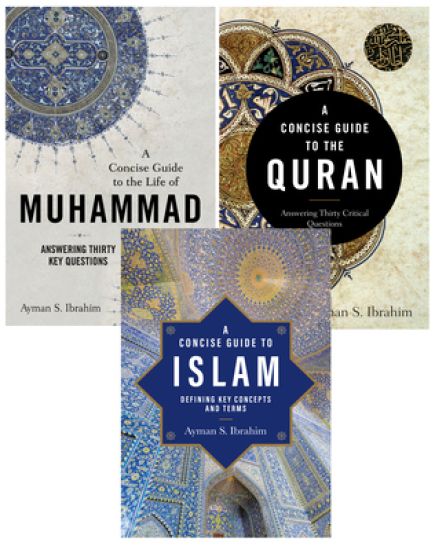
Introducing Islam Set

Introducing Islam Set

Ayman S. Ibrahim

BAKER PUBLISHING GROUP
2023
nidottu
This set of resources provides readers with a basic introduction to Islam. Ayman Ibrahim helps readers learn about Muslims, their beliefs, their scripture, their prophet, and key Islamic concepts and terms. Volumes include:· A Concise Guide to the Quran: Answering Thirty Critical Questions· A Concise Guide to the Life of Muhammad: Answering Thirty Key Questions· A Concise Guide to Islam: Defining Key Concepts and TermsA Concise Guide to the Quran offers a clear and concise guide to the history and contents of the Quran, covering thirty common questions.A Concise Guide to the Life of Muhammad answers thirty common questions about Muhammad, providing an accessible guide to his life and religious significance.A Concise Guide to Islam presents explanations for more than 100 important Islamic concepts and terms.This set is valuable for students of Islam, lay readers interested in Islam, and those moving to or visiting locations where Islam is prevalent.
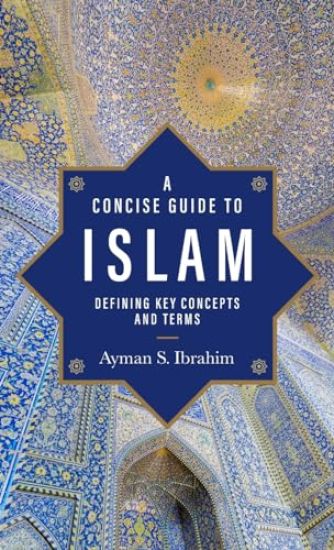
A Concise Guide to Islam – Defining Key Concepts and Terms
For many in the English-speaking world, Islam remains a mysterious religion. What is Islam in the first place? Does it mean "peace," or does it mean "submission"? Can it mean both? What is jihad? Sharia? Hadith? Who is Allah? What is a caliph, caliphate, or infidel? In this compact volume, an expert in the study of Islam provides explanations for more than one hundred important Islamic concepts and terms, which are divided into major sections: texts, history, faith and belief, practice and religious duties, jurisprudence, and movements. Ayman Ibrahim first introduces the section, then defines each concept or term briefly. Readers can read a chapter at a time or flip through the book to find concepts or terms as needed. Each term is described based on original Muslim sources, mainly written in Arabic, as well as ample scholarly studies.This introductory guide is written for anyone with little to no knowledge of Islam. It complements the author's A Concise Guide to the Quran and A Concise Guide to the Life of Muhammad. Together, these three volumes are useful as a set of resources on Islam.
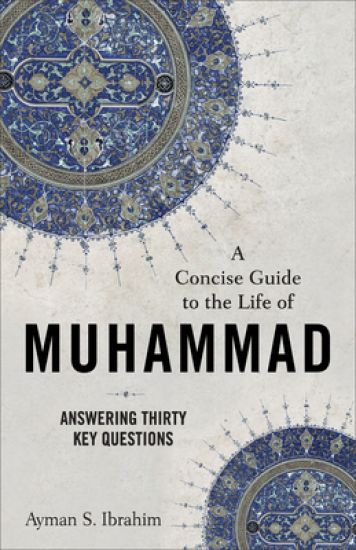
A Concise Guide to the Life of Muhammad – Answering Thirty Key Questions
An expert in the study of Islam answers thirty important questions about Muhammad, offering a clear and concise guide to his life and religious significance. This companion volume to the author's A Concise Guide to the Quran answers many of the key questions non-Muslims have about Muhammad, reveals the importance of Muhammad for Christian-Muslim and Jewish-Muslim interfaith relations, and examines Muslim and non-Muslim primary sources. This introductory guide is written for anyone with little to no knowledge of Islam who wants to learn about Muslims, their beliefs, and their prophet.
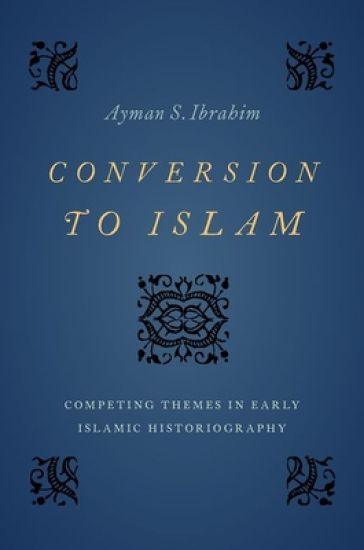
Conversion to Islam

Conversion to Islam

Ayman S. Ibrahim

Oxford University Press Inc
2021
sidottu
Why did non-Muslims convert to Islam during Muhammad's life and under his immediate successors? How did Muslim historians portray these conversions? Why did their portrayals differ significantly? To what extent were their portrayals influenced by their time of writing, religious inclinations, and political affiliations? These are the fundamental questions that drive this study. Relying on numerous works, including primary sources from over a hundred classical Muslim historians, Conversion to Islam is the first scholarly study to detect, trace, and analyze conversion themes in early Muslim historiography, emphasizing how classical Muslims remembered conversion, and how they valued and evaluated aspects of it. Ayman S. Ibrahim examines numerous early Muslim sources and wrestles with critical observations regarding the sources' reliability and unearths the hidden link between historical narratives and historians' religious sympathies and political agendas. This study leads readers through a complex body of literature, provides insights regarding historical context, and creates a vivid picture of conversion to Islam as early Muslim historians sought to depict it.
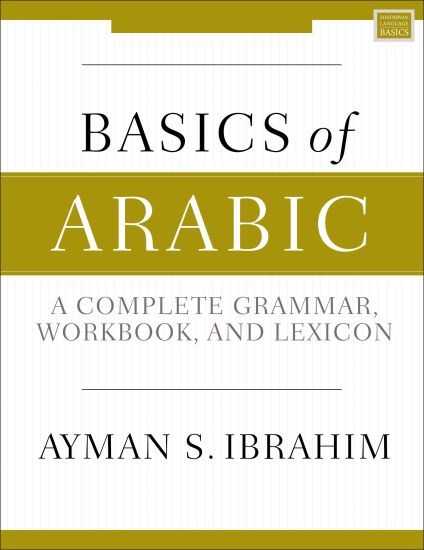
Basics of Arabic

Basics of Arabic

Ayman S. Ibrahim

Zondervan
2021
nidottu
An ideal introduction to Arabic for beginning students and independent learnersBasics of Arabic by Ayman Ibrahim is an introductory grammar, workbook, and lexicon for learning Modern Standard Arabic. Designed for students approaching Arabic for the first time the book provides them with all the tools necessary to develop skills in reading and writing Arabic. Students will learn Arabic grammar and vocabulary and be able to translate key Arabic passages from biblical and qur'anic texts.Each lesson includes:A thorough and understandable introduction to a particular grammatical feature in ArabicList of vocabulary to be memorizedExercises for practice and reinforcement of key conceptsBasics of Arabic will help readers:Recite the Arabic alphabetRead and pronounce Arabic wordsLearn the Arabic noun and verbal systemUnderstand syntax for writing and reading sentencesAdditional translation exercises and a complete lexicon are included at the back of the book. Ideal for students, missionaries, independent learners, and homeschoolers this accessible guide give readers a clear and understandable introduction to this important language.
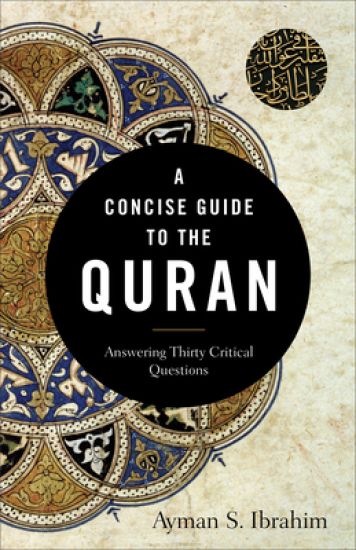
A Concise Guide to the Quran - Answering Thirty Critical Questions

A Concise Guide to the Quran - Answering Thirty Critical Questions

Ayman S. Ibrahim

Baker Academic, Div of Baker Publishing Group
2020
nidottu
What is so unique about Islam's scripture, the Quran? Who wrote it, and when? Can we trust its statements to be from Muhammad? Why was it written in Arabic? Does it command Muslims to fight Christians? These are a few of the thirty questions answered in this clear and concise guide to the history and contents of the Quran. Ayman Ibrahim grew up in the Muslim world and has spent many years teaching various courses on Islam. Using a question-and-answer format, Ibrahim covers critical questions about the most sacred book for Muslims. He examines Muslim and non-Muslim views concerning the Quran, shows how the Quran is used in contemporary expressions of Islam, answers many of the key questions non-Muslims have about the Quran and Islam, and reveals the importance of understanding the Quran for Christian-Muslim and Jewish-Muslim interfaith relations. This introductory guide is written for anyone with little to no knowledge of Islam who wants to learn about Muslims, their beliefs, and their scripture.
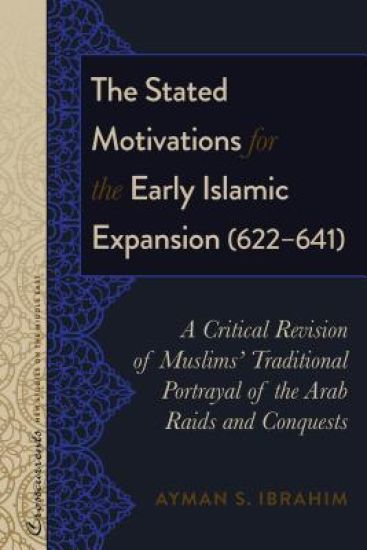
The Stated Motivations for the Early Islamic Expansion (622–641)
What motivated the early Islamic conquests? Did the Arabs fight for Allah, or for wealth and dominance? Were the conquerors principally Arabs, or specifically Muslims? Were the Muslim believers motivated by religious zeal to proclaim Islam to the non-Muslims? Consequently, was Islam spread by the sword? This is a question that has crucial implications today. The Stated Motivations for the Early Islamic Expansion (622–641) extensively analyzes the earliest Arabic Muslim sources to answer these and other questions. It relies on over 400 works, including primary sources written by more than 90 medieval Muslim authors, Sunni, Shiite, Sufi, and Mu’tazilite. It explores how medieval Muslim writers represented the early Arab leaders, and how much we can trust their reports. It concludes with an examination of the Qur’an’s commands regarding fighting and armed jihad, and questions what later commentators suggest about fighting the non-Muslims, specifically how radical Muslim interpretations match or violate Islam’s sacred scripture. This is the first scholarly analysis to focus on the stated motivations for the early Islamic expansion in the first two decades of Islam. It is a valuable resource for courses on Muslim history, introduction to Islam, Islamic origins and texts, classical and modern Islamic thought, Muhammad’s biography, Islamic Caliphates, Muslim-Christian relations, Jews in the Muslim world, Middle Eastern history, and world history. In the age of ISIS, Qaeda, and Boko Haram, this book reflects on how historiographical accounts can inform today’s multi-cultural and multi-religious societies on complex relations, mutual respect, and religious coexistence.