Kirjojen hintavertailu. Mukana 12 595 353 kirjaa ja 12 kauppaa.
Kirjailija
Ayodeji Oke
Kirjat ja teokset yhdessä paikassa: 5 kirjaa, julkaisuja vuosilta 2021-2026, suosituimpien joukossa Emerging Trends in Construction Information Management. Vertaile teosten hintoja ja tarkista saatavuus suomalaisista kirjakaupoista.
This is the first book to conceptualise and develop a roadmap for the adoption of cyber-physical systems (CPS) for facilities management (FM) in developing countries. It is argued that effective use of CPS can help to significantly improve issues such as extended processing time, poor data acquisition, ineffective coverage of facility maintenance history, and poor-quality control within the facilities management sector. Through a theoretical review of relevant technology adoption models and frameworks, A Roadmap for the Uptake of Cyber-Physical Systems for Facilities Management provides a clear insight into the required parameters for integrating CPS into facilities management. The book will be beneficial to relevant stakeholders who face the responsibility of facilities and construction management as it contributes to the growing demand for the adoption of digital technologies in the delivery and management of built infrastructure. Furthermore, it serves as a solid theoretical base for researchers and academics in the quest to expand the existing borderline on construction digitalisation, especially in the post-occupancy stage.
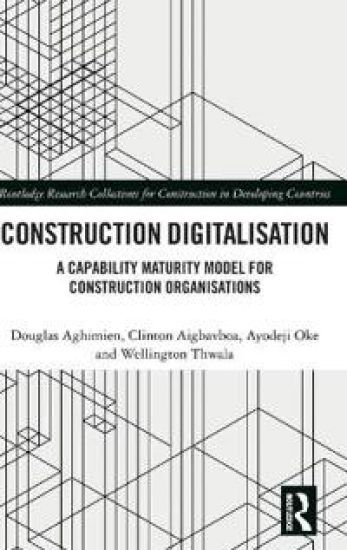
This book explores construction digitalisation, particularly in developing countries. The book conceptualises a digitalisation capability maturity model that will enable construction organisations to self-assess and benchmark their digital capabilities in their quest for digital transformation.Digitalisation offers a significant solution to the age-long problems of the construction industry. Research shows that when construction organisations transform from a traditional service delivery approach to a more digitalised approach, significant improvement in project delivery and better competitive advantage for these organisations will be attained. The attainment of these benefits is evident in developed countries where the digitalisation of construction activities continues apace. Unfortunately, the story is not the same for construction organisations in developing economies. While some organisations might be willing to be digitally transformed, most have no clue how to go about it. To this end, this book provides guidelines for construction organisations seeking to transform their entities digitally. Its content is a valuable read for construction company owners as it provides a model which they can use in the digitalisation of their activities. Also, regulatory bodies in the construction industry can adopt the capabilities identified in the book as essential prerequisites for their members. Furthermore, the book serves as excellent theoretical background reading for management researchers seeking to expand their knowledge on the digitalisation of the construction industry and other associated industries.
This is the first book to conceptualise and develop a roadmap for the adoption of cyber-physical systems (CPS) for facilities management (FM) in developing countries. It is argued that effective use of CPS can help to significantly improve issues such as extended processing time, poor data acquisition, ineffective coverage of facility maintenance history, and poor-quality control within the facilities management sector. Through a theoretical review of relevant technology adoption models and frameworks, A Roadmap for the Uptake of Cyber-Physical Systems for Facilities Management provides a clear insight into the required parameters for integrating CPS into facilities management. The book will be beneficial to relevant stakeholders who face the responsibility of facilities and construction management as it contributes to the growing demand for the adoption of digital technologies in the delivery and management of built infrastructure. Furthermore, it serves as a solid theoretical base for researchers and academics in the quest to expand the existing borderline on construction digitalisation, especially in the post-occupancy stage.
This book explores construction digitalisation, particularly in developing countries. The book conceptualises a digitalisation capability maturity model that will enable construction organisations to self-assess and benchmark their digital capabilities in their quest for digital transformation.Digitalisation offers a significant solution to the age-long problems of the construction industry. Research shows that when construction organisations transform from a traditional service delivery approach to a more digitalised approach, significant improvement in project delivery and better competitive advantage for these organisations will be attained. The attainment of these benefits is evident in developed countries where the digitalisation of construction activities continues apace. Unfortunately, the story is not the same for construction organisations in developing economies. While some organisations might be willing to be digitally transformed, most have no clue how to go about it. To this end, this book provides guidelines for construction organisations seeking to transform their entities digitally. Its content is a valuable read for construction company owners as it provides a model which they can use in the digitalisation of their activities. Also, regulatory bodies in the construction industry can adopt the capabilities identified in the book as essential prerequisites for their members. Furthermore, the book serves as excellent theoretical background reading for management researchers seeking to expand their knowledge on the digitalisation of the construction industry and other associated industries.