Kirjojen hintavertailu. Mukana 12 595 353 kirjaa ja 12 kauppaa.
Kirjailija
Barbara Buhler Lynes
Kirjat ja teokset yhdessä paikassa: 5 kirjaa, julkaisuja vuosilta 2004-2023, suosituimpien joukossa Georgia O'Keeffe and Her Houses: Ghost Ranch and Abiquiu. Vertaile teosten hintoja ja tarkista saatavuus suomalaisista kirjakaupoista.
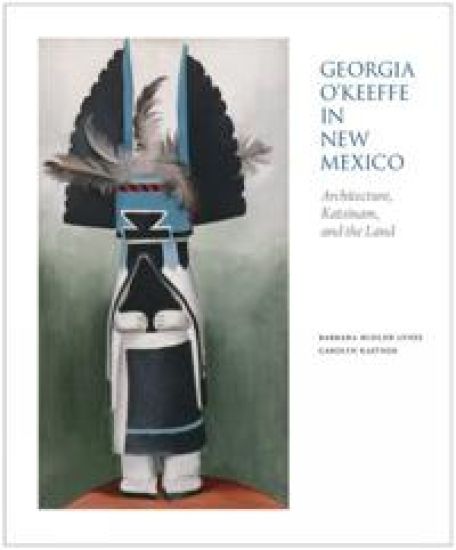
At various intervals between 1931 and 1945, Georgia O'Keeffe (18871986) completed seventeen drawings and paintings of katsina tithu ("kachina dolls"), the painted-wood representations of spirit beings carved by Native American artist -- especially Hopi and Zuni -- that have long played an important role in Pueblo and Hopi ceremonialism. O'Keeffe never explained how or why she became interested in these Native American carvings. Because she gave generic titles to her paintings of them except those works depicting Kokopelli, she may not have been aware of their specific names, meaning, or functions. But the artist always took inspiration from her immediate environment, whether working abstractly or representationally, often seeking subjects that conveyed her feelings for or experiences of specific places; her depictions of Native American spirit beings were no exception. As she later pointed out, "My pictures are my statement of a personal experience". The book, which accompanies a touring exhibition of fifty-three works by the artist, features fifteen drawings and paintings of katsina subjects made between 1931 and 1941 and thirty-eight additional works made between 1929 and 1953 that resulted from her deep exploration of the distinctive architecture and cultural objects of Northern New Mexico's Hispanic and Native American communities. Also included are numerous landscape paintings, a subject O'Keeffe addressed most consistently during her career. The book also features contributions by noted art historian W. Jackson Rushing III, Hopi weaver Ramona Sakiestewa, Hopi artist Dan Namingha, and Hopi tribal leader and author Alph H Secakuku. Rushing discusses O'Keeffe and other modernist painters, including Emil Bistram, Fred Kabotie, and Gustave Baumann, in their approach to Native subjects; Sakiestewa writes about O'Keeffe's katsina paintings and the influence the artist had on her own designs; Secakuku explicates katsinam ceremonalism; and Namingha is interviewed about katsina imagery in his work.
Georgia O’Keeffe spent almost 40 years of her life in the American Southwest. Her two houses in New Mexico; at Ghost Ranch and Abiquiu and the landscapes around them became essential elements in her paintings. The mountains and arroyos, the skulls and the Jimson weeds, a ladder against a wall, a door; all transformed by her genius into a quintessentially American art. Astonishingly, the history of these houses has never before been written. In this volume, Barbara Buhler Lynes and Agapita Judy Lopez create a vibrant picture of O’Keeffe at home. Drawing on O’Keeffe’s correspondence, Lynes and Lopez set forth their fascinating story. An essay by architect Beverly Spears describes the distinctive characteristics of adobe architecture and its construction, and the many individuals involved with the house are identified. An appendix provides valuable information about the materials used in resorting the Abiquiu house. Photographs made especially for this book show the houses as they are today, plus dozens of photographs made by major photographers during her life show her living in the houses. Photographs of her painting and specific architectural components of the Abiquiu house are also included. These photographs and their accompanying texts offer for the first time a compelling picture of O’Keeffe’s life in New Mexico, how each house satisfied different aspects of the artist’s personal and professional needs and how O’Keeffe gradually transformed these Spanish Pueblo Revival style houses to reflect her modernist aesthetic.
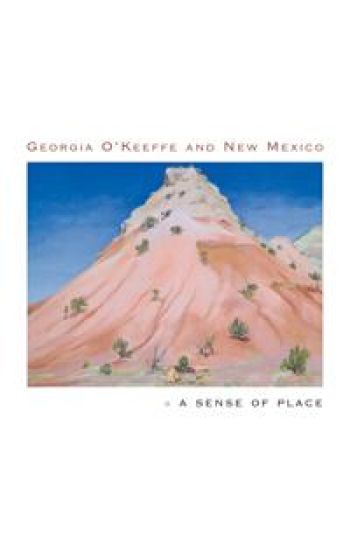
When Georgia O'Keeffe first visited New Mexico in 1917, she was instantly drawn to the stark beauty of its unusual architectural and landscape forms. In 1929, she began spending part of almost every year painting there, first in Taos, and subsequently in and around Alcalde, Abiquiu, and Ghost Ranch, with occasional excursions to remote sites she found particularly compelling. Georgia O'Keeffe and New Mexico is the first book to analyze the artist's famous depictions of these Southwestern landscapes. Beautifully illustrated and gracefully written, the book accompanies an exhibition of the same name at the Georgia O'Keeffe Museum in Santa Fe, New Mexico. It reproduces the exhibition's 50 paintings and includes striking photographs of the sites that inspired them as well as diagrams of the region's distinctive geology. The book examines the magnificence of O'Keeffe's work through essays by three noted authors. Barbara Buhler Lynes, Curator of the Georgia O'Keeffe Museum and organizer of the exhibition, discusses the relationship of the artist's paintings to the places that inspired her. Frederick Turner offers an illuminating essay contrasting O'Keeffe's fabled aloofness from the well-established art colony in Santa Fe with her intense closeness to the local landscape she so fiercely loved. Lesley Poling-Kempes furnishes a fascinating chronicle of O'Keeffe's years in the region as well as a useful explanation of the geological forces that produced the intense colors and dramatic shapes of the landscapes O'Keeffe painted. EXHIBIT SCHEDULE: Georgia O'Keeffe Museum Santa Fe, New Mexico June 11-September 12, 2004 Columbus Museum of Art Columbus, Ohio October 1, 2004-January 16, 2005 Albright-Knox Art Gallery Buffalo, New York January 28-May 08, 2005