Kirjojen hintavertailu. Mukana 12 459 402 kirjaa ja 12 kauppaa.

Kirjailija

Barbara Comber

Kirjat ja teokset yhdessä paikassa: 4 kirjaa, julkaisuja vuosilta 2015-2017, suosituimpien joukossa Literacy, Place, and Pedagogies of Possibility. Vertaile teosten hintoja ja tarkista saatavuus suomalaisista kirjakaupoista.

4 kirjaa

Kirjojen julkaisuhaarukka 2015-2017.

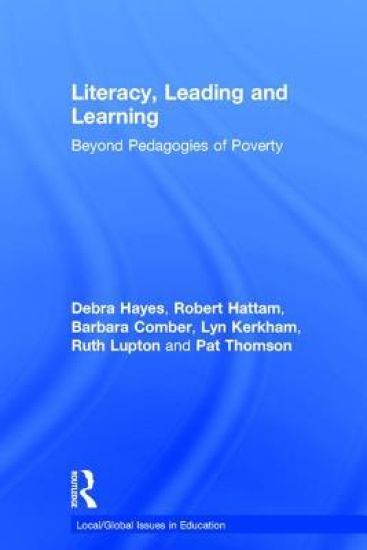
Literacy, Leading and Learning

Literacy, Leading and Learning

Debra Hayes; Robert Hattam; Barbara Comber; Lyn Kerkham; Ruth Lupton; Pat Thomson

Routledge
2017
sidottu
How might educational leaders and teachers improve literacy achievement in schools serving communities experiencing high levels of poverty? This question is the focus of this book. Drawing on long-term case studies of four primary schools located in these communities, this book describes the difference between what is commonly practiced and those practices that have a greater chance of supporting young people’s literacy learning. In this multi-layered analysis of the effects of policy on practice, the authors: discuss global concerns with literacy policy and testing in view of the growing gaps between rich and poor; examine the effects of the intensification of inequality and entrenched poverty, and the implications for schools; illustrate how deficit discourses pertaining to communities living in poverty are contested in schools; and describe the complexities of sustaining pedagogical and curriculum change to address the problem of unequal educational outcomes in literacy.This book grapples with some of the most debated questions regarding educational disadvantage, school change, leadership and literacy pedagogy that face educational researchers, policy-makers and practitioners internationally. As well as providing a critique of the risks of current policy rationales, it conveys some hopeful accounts of practice that provide leads for further development.
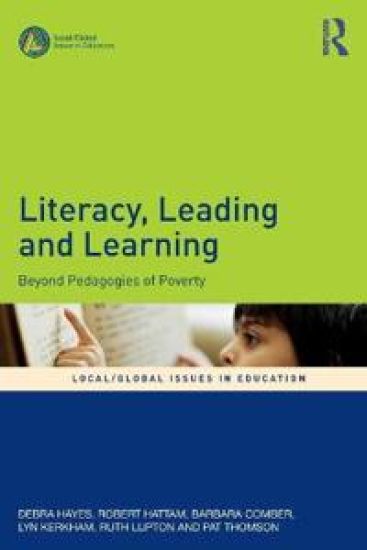
Literacy, Leading and Learning

Literacy, Leading and Learning

Debra Hayes; Robert Hattam; Barbara Comber; Lyn Kerkham; Ruth Lupton; Pat Thomson

Routledge
2017
nidottu
How might educational leaders and teachers improve literacy achievement in schools serving communities experiencing high levels of poverty? This question is the focus of this book. Drawing on long-term case studies of four primary schools located in these communities, this book describes the difference between what is commonly practiced and those practices that have a greater chance of supporting young people’s literacy learning. In this multi-layered analysis of the effects of policy on practice, the authors: discuss global concerns with literacy policy and testing in view of the growing gaps between rich and poor; examine the effects of the intensification of inequality and entrenched poverty, and the implications for schools; illustrate how deficit discourses pertaining to communities living in poverty are contested in schools; and describe the complexities of sustaining pedagogical and curriculum change to address the problem of unequal educational outcomes in literacy.This book grapples with some of the most debated questions regarding educational disadvantage, school change, leadership and literacy pedagogy that face educational researchers, policy-makers and practitioners internationally. As well as providing a critique of the risks of current policy rationales, it conveys some hopeful accounts of practice that provide leads for further development.
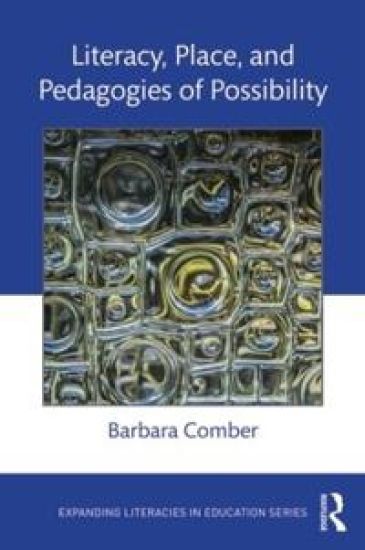
Literacy, Place, and Pedagogies of Possibility
How can teachers ensure a pedagogy of possibility underpinned by social justice, and what has literacy got to do with this? This book explores the positive synergies between critical literacy and place-conscious pedagogy. Through rich classroom research it introduces and demonstrates how a synthesis of insights from theories of space and place and literacy studies can underpin the design and enactment of culturally inclusive curriculum for diverse student communities, and illustrates how making place and space the objects of study provide productive resources for teachers to design enabling pedagogical practices that extend students’ literate repertoires. The argument is that systematic study of and engagement with specific elements of place can enable students’ academic learning and literacy.Literacy, Place, and Pedagogies of Possibilityis informed by critical literacy, place-conscious pedagogy and spatial theoryis richly illustrated with examples from classroom research, including teacher and student artifactsprovides new directions for classroom practice in critical literacyThis novel combination of multidisciplinary theory and classroom research extends previous work in critical literacy pedagogy, drawing on two decades of ethnographic and collaborative inquiry in classrooms situated in culturally and linguistically diverse classrooms.
Literacy, Place, and Pedagogies of Possibility
How can teachers ensure a pedagogy of possibility underpinned by social justice, and what has literacy got to do with this? This book explores the positive synergies between critical literacy and place-conscious pedagogy. Through rich classroom research it introduces and demonstrates how a synthesis of insights from theories of space and place and literacy studies can underpin the design and enactment of culturally inclusive curriculum for diverse student communities, and illustrates how making place and space the objects of study provide productive resources for teachers to design enabling pedagogical practices that extend students’ literate repertoires. The argument is that systematic study of and engagement with specific elements of place can enable students’ academic learning and literacy.Literacy, Place, and Pedagogies of Possibilityis informed by critical literacy, place-conscious pedagogy and spatial theoryis richly illustrated with examples from classroom research, including teacher and student artifactsprovides new directions for classroom practice in critical literacyThis novel combination of multidisciplinary theory and classroom research extends previous work in critical literacy pedagogy, drawing on two decades of ethnographic and collaborative inquiry in classrooms situated in culturally and linguistically diverse classrooms.