Kirjojen hintavertailu. Mukana 12 191 746 kirjaa ja 12 kauppaa.

Kirjailija

Barbara K. Hofer

Kirjat ja teokset yhdessä paikassa: 3 kirjaa, julkaisuja vuosilta 2011-2023, suosituimpien joukossa Science Denial. Vertaile teosten hintoja ja tarkista saatavuus suomalaisista kirjakaupoista.

3 kirjaa

Kirjojen julkaisuhaarukka 2011-2023.

Science Denial

Science Denial

Gale M. Sinatra; Barbara K. Hofer

OXFORD UNIVERSITY PRESS INC
2023
nidottu
How do individuals decide whether to accept human causes of climate change, vaccinate their children against childhood diseases, or practice social distancing during a pandemic? Democracies depend on educated citizens who can make informed decisions for the benefit of their health and well-being, as well as their communities, nations, and planet. Understanding key psychological explanations for science denial and doubt can help provide a means for improving scientific literacy and understanding--critically important at a time when denial has become deadly. In Science Denial: Why It Happens and What to Do About It, the authors identify the problem and why it matters and offer tools for addressing it. This book explains both the importance of science education and its limitations, shows how science communicators may inadvertently contribute to the problem, and explains how the internet and social media foster misinformation and disinformation. The authors focus on key psychological constructs such as reasoning biases, social identity, epistemic cognition, and emotions and attitudes that limit or facilitate public understanding of science, and describe solutions for individuals, educators, science communicators, and policy makers. If you have ever wondered why science denial exists, want to know how to understand your own biases and those of others, and would like to address the problem, this book will provide the insights you are seeking.
Science Denial

Science Denial

Gale M. Sinatra; Barbara K. Hofer

Oxford University Press Inc
2021
sidottu
How do individuals decide whether to accept human causes of climate change, vaccinate their children against childhood diseases, or practice social distancing during a pandemic? Democracies depend on educated citizens who can make informed decisions for the benefit of their health and well-being, as well as their communities, nations, and planet. Understanding key psychological explanations for science denial and doubt can help provide a means for improving scientific literacy and understanding—critically important at a time when denial has become deadly. In Science Denial: Why It Happens and What to Do About It, the authors identify the problem and why it matters and offer tools for addressing it. This book explains both the importance of science education and its limitations, shows how science communicators may inadvertently contribute to the problem, and explains how the internet and social media foster misinformation and disinformation. The authors focus on key psychological constructs such as reasoning biases, social identity, epistemic cognition, and emotions and attitudes that limit or facilitate public understanding of science, and describe solutions for individuals, educators, science communicators, and policy makers. If you have ever wondered why science denial exists, want to know how to understand your own biases and those of others, and would like to address the problem, this book will provide the insights you are seeking.
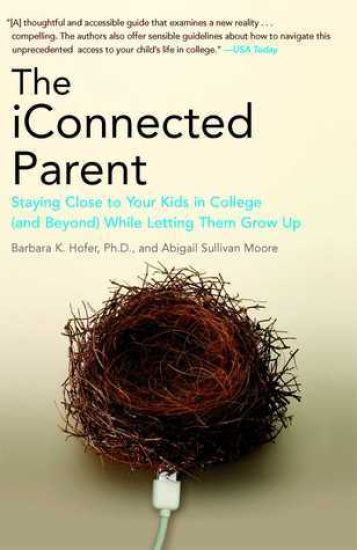
The iConnected Parent: Staying Close to Your Kids in College (and Beyond) While Letting Them Grow Up
Launched on the CBS Early Show and featured in the Los Angeles Times, People, and the Chicago Tribune, among other major media, The iConnected Parent is the first book to present groundbreaking information and interviews on how much is too much connection between parents and kids in the college years and beyond. "Just let go " That's what parents have been told to do when their kids go to college. But in our speed-dial culture, with BlackBerries and even Skype, parents and kids are now more than ever in constant contact. Today's iConnected parents say they are closer to their kids than their parents were to them--and this generation of families prefers it that way. Parents are their children's mentors, confidants, and friends--but is this good for the kids? Are parents really letting go--and does that matter? Dr. Barbara Hofer, a Middlebury College professor of psychology, and Abigail Sullivan Moore, a journalist who has reported on college and high school trends for the New York Times, answer these questions and more in their groundbreaking, compelling account of both the good and the bad of close communication in the college years and beyond. An essential assessment of the state of parent-child relationships in an age of instant communication, The iConnected Parent goes beyond sounding the alarm about the ways many young adults are failing to develop independence to describe the healthy, mutually fulfilling relationships that can emerge when families grow closer in our wired world. Communicating an average of thirteen times a week, parents and their college-age kids are having a hard time letting go. Hofer's research and Moore's extensive reporting reveal how this trend is shaping families, schools, and workplaces, and the challenge it poses for students with mental health and learning issues. Until recently, students handled college on their own, learning life's lessons and growing up in the process. Now, many students turn to their parents for instant answers to everyday questions. "My roommate's boyfriend is here all the time and I have no privacy What should I do?" "Can you edit my paper tonight? It's due tomorrow." "What setting should I use to wash my jeans?" And Mom and Dad are not just the Google and Wikipedia for overcoming daily pitfalls; Hofer and Moore have discovered that some parents get involved in unprecedented ways, phoning professors and classmates, choosing their child's courses, and even crossing the lines set by university honor codes with the academic help they provide. Hofer and Moore offer practical advice, from the years before college through the years after graduation, on how parents can stay connected to their kids while giving them the space they need to become independent adults. Cell phones and laptops don't come with parenting instructions. The iConnected Parent is an invaluable guide for any parent with a child heading to or already on campus.