Kirjojen hintavertailu. Mukana 12 595 353 kirjaa ja 12 kauppaa.
Kirjailija
Barbara Olasov Rothbaum
Kirjat ja teokset yhdessä paikassa: 10 kirjaa, julkaisuja vuosilta 1998-2023, suosituimpien joukossa Treating the Trauma of Rape. Vertaile teosten hintoja ja tarkista saatavuus suomalaisista kirjakaupoista.
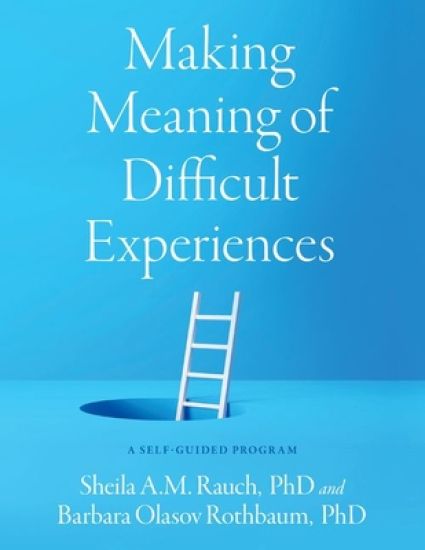
Feel it, stay with it, share it, and let it go. Take your life back from stress and trauma using self-help versions of proven treatments. Up to 90% of adults in the US will experience one or more traumatic events in their lifetimes, including interpersonal violence, traffic collisions, and sexual assault. Traumatic events and other difficult experiences (such as miscarriage, job loss, and divorce) can have a long-lasting impact on mental health and well-being. While most who suffer a trauma naturally recover over time, for others difficulties continue, and may lead to full-blown depression, posttraumatic stress disorder (PTSD), substance use, anxiety disorders, and other problems that interfere with healthy daily functioning. Making Meaning of Difficult Experiences is a self-guided mental health resource for people who have had potentially traumatic experiences and who wish to work through them independently, outside of a formal therapeutic setting. Based on psychological treatments with strong scientific support, this book introduces readers to several useful tools that will help them to emotionally process difficult experiences, with the goal of moving on from the event and building future resilience. Many years of research (much of which has been conducted by the authors of this volume) have shown that people who try to avoid memories and reminders of difficult experiences are more likely to develop PTSD, depression, and other problems. Conversely, those who work to process the memory gradually regain a general sense of wellbeing, experiencing fewer mental health issues over time. This program is unique in that it is intended to be wholly self-directed. Readers can learn about and then immediately practice the strategies described, moving through and then past difficult experiences--whether they happened last week or years ago. The program takes the reader step-by-step through four skill sets to facilitate emotional processing of difficult experiences: Memory Exposure and Processing, Behavioral Activation, Social Connection, and Self-Care. Each set begins with a short description, followed by a self-assessment. Readers use this self-evaluation to determine what is working or not working for them, enabling them to focus more on certain skills, or to complete the full program based on their needs.

Om du har upplevt en eller flera traumatiska händelser och utvecklat posttraumatiskt stressyndrom, ptsd, så kan du behöva hjälp med att återhämta dig från symtom som flashbacks, mardrömmar och lättskrämdhet. Behandlingsmetoden prolonged exposure, en form av kognitiv beteendeterapi, har visat sig vara en hjälpsam behandling för alla former av trauman. Den är vetenskapligt prövad under de senaste 30 åren och rekommenderas som förstahandsval vid ptsd. Författarna till denna arbetsbok har alla en djupgående kunskap om och klinisk erfarenhet av området.Ta tillbaka ditt liv riktar sig direkt till dig som varit med om en eller flera traumatiska händelser och fått diagnosen ptsd. Boken ska användas i en behandling där du samarbetar med din terapeut. Arbetsboken vägleder dig i att under trygga förhållanden stegvis möta minnesbilder och bearbeta de upplevelser som är kopplade till traumat – och att successivt återta ditt liv. På bokens hemsida finns formulär och arbetsblad för nedladdning.Svensk fackgranskning av Maria Bragesjö, leg. psykolog, leg. psykoterapeut, specialist i klinisk psykologi och utbildare i prolonged exposure.Barbara Olasov Rothbaum är professor i psykiatri vid Emory University School of Medicine.Edna B. Foa är professor i klinisk psykologi med inriktning mot psykiatri vid University of Pennsylvania.Elizabeth A. Hembree är biträdande professor i psykologi med inriktning mot psykiatri vid University of Pennsylvania, Perelman School of Medicine.Sheila A.M. Rauch är professor i psykiatri vid vid Emory University School of Medicine.
Prolonged exposure är en traumafokuserad form av kbt som rekommenderas som förstahandsval vid behandling av posttraumatiskt stressyndrom, ptsd. Denna bok innehåller alla verktyg som terapeuter behöver för att kunna utföra behandlingsprogrammet. Bedömningsunderlag, information om ptsd, noggranna sessionsupplägg och hemuppgifter ingår, liksom vägledning i hur behandlingen anpassas till den enskilda individen. Syftet är att hjälpa patienten att steg för steg och under trygga förhållanden närma sig minnen och situationer som förknippas med traumat för att få nya perspektiv och återfå sin livskvalitet.Denna nya utgåva är uppdaterad med* ny forskning kring metodens verkningsmekanismer* diagnostik utifrån DSM-5 och ICD-11* urvalskriterier för behandling* utförligare beskrivning av hur man går igenom patientens upplevelser efter exponeringen.Manualen riktar sig till behandlare med kbt-utbildning. På bokens hemsida finns formulär och arbetsblad för nedladdning. För patienter finns den tillhörande arbetsboken Ta tillbaka ditt liv.Edna B. Foaär professor i klinisk psykologi med inriktning mot psykiatri vid University of Pennsylvania.Elizabeth A. Hembree är biträdande professor i psykologi med inriktning mot psykiatri vid University of Pennsylvania, Perelman School of Medicine.Barbara Olasov Rothbaum är professor i psykiatri vid Emory University School of Medicine.Sheila A.M. Rauch är professor i psykiatri vid Emory University School of Medicine.citat Maria Bragesjö
Metoden er fleksibel og gjør det mulig å skreddersy en effektiv behandling som passer for ulike pasienter med PTSD, også dem med komplekse og kroniske traumelidelser.Formålet med behandlingen er å hjelpe den som har vært utsatt for et traume, med å emosjonelt prosessere traumatiske erfaringer for å redusere eller eliminere PTSD og andre traumerelaterte symptomer.Boken inngår i den anerkjente serien Treatments that work fra Oxford University Press, og er den første boken fra denne serien som er oversatt til norsk. Treatments that work har til hensikt å gjøre nyutviklet, evidensbasert psykologisk behandling tilgjengelig for flest mulig.
Prolonged Exposure for PTSD in Intensive Outpatient Programs (PE-IOP) presents an innovative PTSD treatment model for the use of prolonged exposure (PE) in residential and intensive outpatient programs, which increases access to care and retention in care while providing transformational symptom outcomes. Drs. Rauch, Rothbaum, Smith, and Foa present the elements of the PE protocol along with all the logistics for how to provide PE in an intensive outpatient program. PE is the most widely studied treatment for PTSD, with over 100 studies showing its efficacy for PTSD and comorbid patient populations-from single incident and multiple incident traumas of all types (e.g., combat, sexual assault, etc.) Variations and considerations for implementation are presented to allow providers designing programs to consider what best fits their patient population and setting. Patient and provider forms are included for use. As leaders in clinical practice, training, and research in the field of PTSD treatment, Drs. Rauch, Rothbaum, Smith, and Foa provide concise but thorough description of the key components of the program, how to implement them, and when and how to consider adaptations.
Prolonged Exposure Therapy is an effective, highly flexible, and very well researched intervention to reduce the symptoms of PTSD across a variety of traumatized populations. The second edition of Prolonged Exposure Therapy for PTSD: Emotional Processing of Traumatic Experiences, Therapist Guide, along with the accompanying Workbook, provides all of the tools necessary for trained mental health providers to implement this first-line PTSD treatment with their patients. This model is individualized to address the needs of a variety of trauma survivors. Leaders in clinical practice, training, and research in the field of PTSD treatment, the authors have revised the Guide throughout to reflect the many advances in PTSD research that have occurred since the release of the first edition, including key adjustments to the underlying theory as well as additional evidence for modifications and individualization for more complex patient presentations and military populations. The Guide provides a concise but thorough description of the key components of the program, how to implement them, and when and how to consider adaptations.
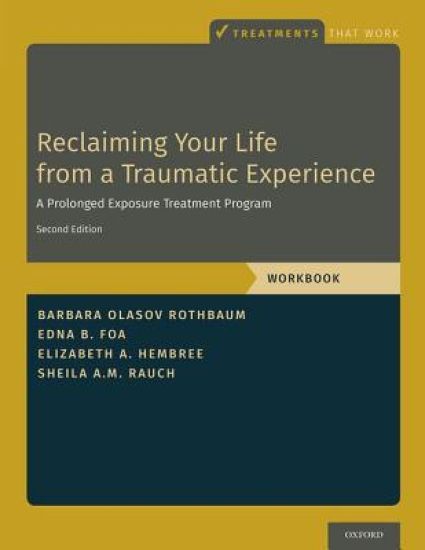
Those who have experienced a traumatic event and are having trouble moving past feelings of fear, shame and guilt, or helplessness may be diagnosed with Posttraumatic Stress Disorder (PTSD). Reclaiming Your Life from a Traumatic Experience: A Prolonged Exposure Treatment Program can help readers to overcome and reclaim their lives from PTSD. Best used in combination with treatment by a mental health professional, the second edition of this Workbook, along with the accompanying Therapist Guide, will help readers work through PTSD regardless of the type of trauma experienced-be it a motor vehicle accident, physical or sexual assault, or combat-related event. The program outlined in this book will reduce anxiety and distress, teaching readers to face memories of trauma while processing their emotions about the event using a scientifically tested and proven technique called Prolonged Exposure Therapy. Instead of avoiding or escaping situations that provoke anxiety and other negative emotions, readers will learn how to reevaluate feelings and beliefs to think differently about their traumatic experiences. Complete with information on PTSD, as well as case examples, self-assessment tools, and homework assignments, Reclaiming Your Life from a Traumatic Experience is an invaluable tool on the road to recovery from PTSD.
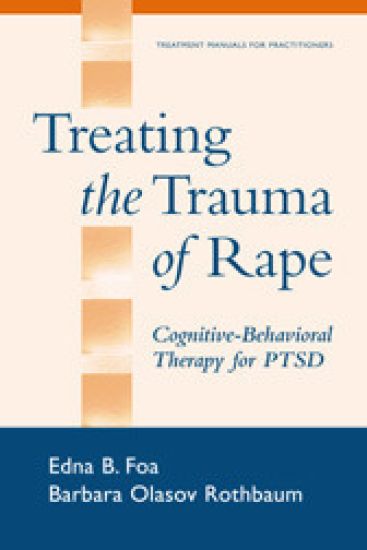
Informed by the latest research and written by two of the leading authorities in the field, this invaluable resource presents step-by-step guidelines for assessing and treating sexual assault survivors suffering from PTSD. The book provides a clear review of the treatment literature and guides the clinician in designing individualized cognitive-behavioral treatment programs for traumatized women. Complete instructions are given for sensitively gathering needed information and delivering effective time-limited interventions. Enhancing the book's clinical utility are numerous case examples illustrating how to implement core cognitive-behavioral techniques and deal with common problems and complications in treatment.
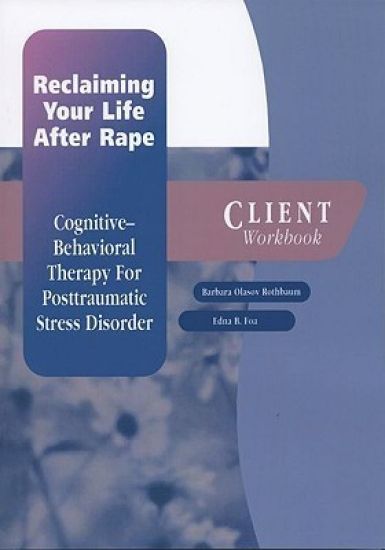
This powerful client workbook is written in an encouraging and easy-to-understand style specifically for women who have been sexually assaulted and have developed chronic symptoms of posttraumatic stress disorder (PTSD). Clients learn how cognitive-behavioral therapy has helped other victims and how it can work for them. This book explains how to distinguish PTSD symptoms from other disorders and teaches powerful techniques for overcoming these symptoms. In writing this book, the authors aim to address two goals. First, they want to present information about PTSD and related problems in language understandable to nonprofessionals. This information will include a review of the studies on posttrauma problems and on the effectiveness of different treatments. They also describe why some survivors develop PTSD and others do not. The second goal of the book is to provide a detailed client workbook for the treatment of trauma-related problems, especially PTSD, to assist clients working with a therapist. The authors are aware of the fact that people have different problems and different needs. What works for one person may not work for another. Therefore, they describe several different treatment techniques. The book is organized around the different cognitive-behavioral techniques that have been studied and proven effective with women sufferers of PTSD following an assault. Throughout the book, the authors focus mainly on women who have been sexually assaulted and as a result developed chronic symptoms of PTSD, which have disturbed their daily functioning and cause them emotional distress. Most of the examples they use to demonstrate the cognitive-behavioral techniques are drawn from their experience in treating rape survivors. However, the cognitive-behavioral procedures outlined here have been as successful in helping women who have been sexually abused in childhood and adult female survivors of nonsexual assaults, like aggravated assault and robbery. Other survivors of traumas such as natural disasters and car accidents were also helped by this cognitive-behavioral approach.
In the U.S. alone, approximately 1.5 million adult female survivors of rape are estimated to suffer from chronic PTSD. This invaluable book--informed by the latest research and written by two of the leading authorities in the field--provides a step-by-step guide to proven brief therapy techniques for treating traumatized women. Filling an urgent need of front-line practitioners working within managed care guidelines, the book includes numerous case examples illustrating sensitive and effective information-gathering and intervention, as well as explanations of how to cope with common problems and complications in treatment.