
Kirjailija
Baron D'Holbach
Kirjat ja teokset yhdessä paikassa: 39 kirjaa, julkaisuja vuosilta 2004-2025, suosituimpien joukossa Letters to Eugenia (Esprios Classics). Vertaile teosten hintoja ja tarkista saatavuus suomalaisista kirjakaupoista.
Mukana myös kirjoitusasut: Baron D. Holbach, Baron D' Holbach
39 kirjaa
Kirjojen julkaisuhaarukka 2004-2025.
Good Sense Without God; Or, Freethoughts Opposed to Supernatural Ideas
Baron D'Holbach
Antigonos Verlag
2025
nidottu
Ecce Homo! Or, A Critical Inquiryintothe Historyofjesus Of NazarethBeing A Rational Analysisofthe Gospels (Edition1)
Baron D'Holbach
Double 9 Books LLP
2025
nidottu
Ecce homo or a critical inquiry into the history of Jesus of Nazareth being a rational analysis of the gospels examines the life and teachings of Jesus through a sceptical and analytical lens. It critiques the gospels by identifying inconsistencies, narrative confusion, and the uncritical acceptance of miraculous claims. The work questions how deeply believers engage with the foundations of their faith, arguing that religious conviction often rests on unexamined traditions. The author emphasizes the need for rational inquiry when approaching texts considered sacred, pointing out how prophetic assertions and divine attributions have been misinterpreted over time. This approach challenges the legitimacy of long-standing doctrines and encourages a reevaluation of religious authority. By reflecting on how myths form and persist, the book underscores the importance of intellectual rigor and historical evidence in understanding religious figures. The analysis of Jesus focuses not on spiritual symbolism but on behavior, claims, and credibility, positioning the work as a call for reasoned debate in religious discourse. It sets the stage for further inquiry into the origins of belief systems and the shaping of collective faith.
Good Sense Without God; Or, Freethoughts Opposed to Supernatural Ideas
Baron D'Holbach
Megali Verlag
2023
sidottu
Good Sense Without God; Or, Freethoughts Opposed to Supernatural Ideas
Baron D'Holbach
Megali Verlag
2023
pokkari
Good Sense Without God; Or, Freethoughts Opposed to Supernatural Ideas
Baron D'Holbach
Outlook Verlag
2023
pokkari
Good Sense Without God; Or, Freethoughts Opposed to Supernatural Ideas
Baron D'Holbach
Outlook Verlag
2023
sidottu
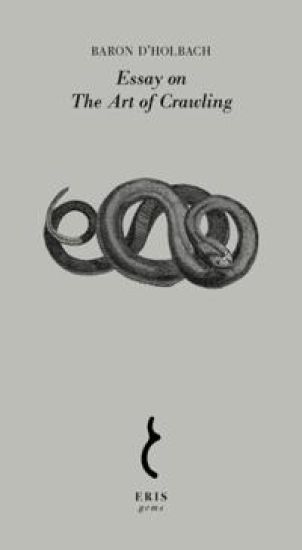
"Serpents and reptiles reach the heights of mountains and rocks, while the most fiery of steeds can never climb there." Baron d'Holbach's 1776 Essay on the Art of Crawling is a delicious satire on the sycophancy and self-abasement rife in the courts of Europe. A penetrating account of the workings of power that applies as much to today's courtiers as it did to those of the eighteenth century, it also makes a compelling case for the value of moral independence and personal dignity.

Reproduction of the original: Letters to Eugenia by Baron D'holbach
Reproduction of the original: Letters To Eugenia by Baron D'holbach
Reproduction of the original: The System of Nature by Baron D'Holbach
Reproduktion des Originals: Ecce Homo von Baron D'Holbach
Reproduction of the original: The System of Nature by Baron D'Holbach

Reproduction of the original: Good Sense Without God by Baron D'holbach