Kirjojen hintavertailu. Mukana 12 390 323 kirjaa ja 12 kauppaa.

Kirjailija

Barrie Gunter

Kirjat ja teokset yhdessä paikassa: 70 kirjaa, julkaisuja vuosilta 1990-2025, suosituimpien joukossa The BBC and the Public. Vertaile teosten hintoja ja tarkista saatavuus suomalaisista kirjakaupoista.

70 kirjaa

Kirjojen julkaisuhaarukka 1990-2025.

The Psychology of Public Belief in Unexplained Phenomena
This groundbreaking book explores the fascinating psychology behind public beliefs in extraterrestrial visitors and UFOs (unidentified flying objects, now often termed Unidentified Aerial Phenomena). Drawing on extensive opinion polls and academic research data from around the world, Barrie Gunter delves into the complex psychological processes that shape our interpretations of ambiguous experiences. The analysis reveals how psychological factors profoundly influence our beliefs about extraterrestrial life. The book explores how an individual's religious and paranormal beliefs, internalised cultural narratives, personality characteristics and cognitive biases create frameworks through which they process and recall unexplained phenomena. The book also investigates how these psychological predispositions affect responses to government secrecy, potentially fuelling conspiracy theories about extraterrestrial activity. Neither dismissing unexplainable occurrences as bogus nor accepting them at face value, this nuanced exploration illuminates the crucial role of social and cognitive psychology in understanding why certain beliefs take hold. It fills a significant gap in current literature, offering valuable insights for students and scholars of cognitive, social and para-psychology interested in the psychological underpinnings of extraterrestrial beliefs.

The Psychology of Public Belief in Unexplained Phenomena
This groundbreaking book explores the fascinating psychology behind public beliefs in extraterrestrial visitors and UFOs (unidentified flying objects, now often termed Unidentified Aerial Phenomena). Drawing on extensive opinion polls and academic research data from around the world, Barrie Gunter delves into the complex psychological processes that shape our interpretations of ambiguous experiences. The analysis reveals how psychological factors profoundly influence our beliefs about extraterrestrial life. The book explores how an individual's religious and paranormal beliefs, internalised cultural narratives, personality characteristics and cognitive biases create frameworks through which they process and recall unexplained phenomena. The book also investigates how these psychological predispositions affect responses to government secrecy, potentially fuelling conspiracy theories about extraterrestrial activity. Neither dismissing unexplainable occurrences as bogus nor accepting them at face value, this nuanced exploration illuminates the crucial role of social and cognitive psychology in understanding why certain beliefs take hold. It fills a significant gap in current literature, offering valuable insights for students and scholars of cognitive, social and para-psychology interested in the psychological underpinnings of extraterrestrial beliefs.
The Psychology of Binge Watching TV

The Psychology of Binge Watching TV

Barrie Gunter

TAYLOR FRANCIS LTD
2024
sidottu
This fascinating work provides an up-to-date examination of shifts in the nature and impact of TV and video watching that have largely been driven by non-linear TV and video services online.The book reviews research evidence from around the world about the physical and behavioural shift of viewing away from linear and towards non-linear TV and video services. It studies the psychological factors that underpin and drive this shift and the impact of binge-watching behaviour on people’s physical and psychological health and social relationships. Along the way, it differentiates between "binge-watching" and "heavy-viewing" and considers binge-watching as a distinctive form of TV/video use that has its own reasons of occurrence and impacts.The Psychology of Binge Watching TV is aimed principally at students and academics interested in psychology, media, mental health and other related disciplines. It will also interest any readers looking to understand more about the psychology behind binge-watching and the potentially positive and negative effects on audiences.
The Psychology of Binge Watching TV

The Psychology of Binge Watching TV

Barrie Gunter

TAYLOR FRANCIS LTD
2024
nidottu
This fascinating work provides an up-to-date examination of shifts in the nature and impact of TV and video watching that have largely been driven by non-linear TV and video services online.The book reviews research evidence from around the world about the physical and behavioural shift of viewing away from linear and towards non-linear TV and video services. It studies the psychological factors that underpin and drive this shift and the impact of binge-watching behaviour on people’s physical and psychological health and social relationships. Along the way, it differentiates between "binge-watching" and "heavy-viewing" and considers binge-watching as a distinctive form of TV/video use that has its own reasons of occurrence and impacts.The Psychology of Binge Watching TV is aimed principally at students and academics interested in psychology, media, mental health and other related disciplines. It will also interest any readers looking to understand more about the psychology behind binge-watching and the potentially positive and negative effects on audiences.
The BBC and the Public

The BBC and the Public

Barrie Gunter

Springer International Publishing AG
2024
sidottu
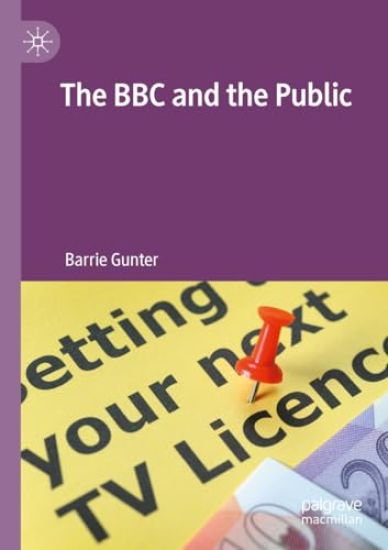
This book examines the relationship between the public and the BBC in terms of public use of the BBC and their attitudes towards it. These audience research measures are being used as metrics to assess the value of the BBC to the UK public. Some of the attitudinal measures address perceptions of the BBC’s outputs and some examine public views about the way the BBC is funded and managed. The book has been written at a time when the BBC reached its centenary and also the mid-point of its latest Royal Charter period. At the time of writing, the government had begun a mid-term review of its performance as judged by its attainment of objectives set out in that Charter. The Secretary of State for Digital, Culture, Media and Sport at the time of the mid-term review had spoken and written openly about abolishing the TV licence fee and the introduction of a new funding model for the BBC that would be implemented in its new Royal Charter due to be enacted in 2027. Against this backdrop, this book examines public opinion about the funding of the BBC and then looks at changing media consumption habits and how these have affected patronage of the BBC’s outputs. “Ultimately, a decision must be taken about the kind of national broadcaster the UK – both is government and its citizens – would like to keep in the future. Changing the funding model without first defining what the BBC should do and how it should be structured and resourced to do it could result in a messy solution that satisfies and benefits no one.”
Psychology of Behavioural Interventions and Pandemic Control
Psychology of Behavioural Interventions and Pandemic Control is a unique text that examines the COVID-19 pandemic in relation to population risk factors and the efficacy of non-pharmaceutical interventions deployed by many governments around the world to bring the pandemic under control. The book presents critical and insightful lessons that can be drawn up to assess governments’ performance in relation to the pandemic and to guide the construction of effective measures to put in place in readiness for any future public health crises on this scale. It starts by examining lessons learned from historical pandemics and then turns to early epidemiological modelling that influenced the decision of many governments to implement wide-ranging interventions designed to bring public behaviour under close control. It also examines the findings of research that tried to understand pre-existing population risks factors which had some mediating influences over COVID-19, mortality rates, and the effects of interventions. Early modelling work is critiqued, and the discussion also identifies weaknesses in early modelling research. The author, Barrie Gunter, goes on to consider ways in which multiple disciplines can be triangulated to produce more comprehensive models of risk. He also offers suggestions on how future pandemic-related research might be constructed to deliver more powerful analyses of the effects of interventions and the role played by different population risk factors. This insight might then deliver better policies for pandemic control and for safe release from that control. This is essential reading for students and researchers in psychology, public health and medical sciences. It would also be of interest to policy makers assessing government strategies, responses and performance.
Psychology of Behavioural Interventions and Pandemic Control
Psychology of Behavioural Interventions and Pandemic Control is a unique text that examines the COVID-19 pandemic in relation to population risk factors and the efficacy of non-pharmaceutical interventions deployed by many governments around the world to bring the pandemic under control. The book presents critical and insightful lessons that can be drawn up to assess governments’ performance in relation to the pandemic and to guide the construction of effective measures to put in place in readiness for any future public health crises on this scale. It starts by examining lessons learned from historical pandemics and then turns to early epidemiological modelling that influenced the decision of many governments to implement wide-ranging interventions designed to bring public behaviour under close control. It also examines the findings of research that tried to understand pre-existing population risks factors which had some mediating influences over COVID-19, mortality rates, and the effects of interventions. Early modelling work is critiqued, and the discussion also identifies weaknesses in early modelling research. The author, Barrie Gunter, goes on to consider ways in which multiple disciplines can be triangulated to produce more comprehensive models of risk. He also offers suggestions on how future pandemic-related research might be constructed to deliver more powerful analyses of the effects of interventions and the role played by different population risk factors. This insight might then deliver better policies for pandemic control and for safe release from that control. This is essential reading for students and researchers in psychology, public health and medical sciences. It would also be of interest to policy makers assessing government strategies, responses and performance.
Psychological Impact of Behaviour Restrictions During the Pandemic
This volume examines the undesirable or harmful cognitive, emotional and behavioural side-effects of COVID-19 and of the behavioural restrictions imposed by governments on their populations during the pandemic. Societal "lockdowns" and other intervening behavioural restrictions, built significantly around social isolation, used by governments to control the spread of COVID-19 disrupted the lives of most people. There were economic costs for many as workplaces closed down, as well as severe stresses on friendships and romantic relationships, an increase in instances of abuse and domestic violence, and concerns about people drinking too much alcohol or gambling too much as compensatory behaviours. Understanding which people were at risk, and in what ways, could teach important lessons for the future. Presenting a timely review of the most recent international research and evidence, author Barrie Gunter assesses the major collateral, psychological side-effects of the pandemic. Looking forward, Gunter also considers how new models might be developed that take into account not just the need to halt the spread of a new virus, but also minimise collateral damage which could be every bit as severe in both the short term and long term. Identifying and analysing the nature and severity of collateral side-effects of pandemic-related behaviour restrictions, this is essential reading for students and researchers in psychology, public health and medical sciences and policymakers assessing government strategies, responses and performance.
Psychological Impact of Behaviour Restrictions During the Pandemic
This volume examines the undesirable or harmful cognitive, emotional and behavioural side-effects of COVID-19 and of the behavioural restrictions imposed by governments on their populations during the pandemic. Societal "lockdowns" and other intervening behavioural restrictions, built significantly around social isolation, used by governments to control the spread of COVID-19 disrupted the lives of most people. There were economic costs for many as workplaces closed down, as well as severe stresses on friendships and romantic relationships, an increase in instances of abuse and domestic violence, and concerns about people drinking too much alcohol or gambling too much as compensatory behaviours. Understanding which people were at risk, and in what ways, could teach important lessons for the future. Presenting a timely review of the most recent international research and evidence, author Barrie Gunter assesses the major collateral, psychological side-effects of the pandemic. Looking forward, Gunter also considers how new models might be developed that take into account not just the need to halt the spread of a new virus, but also minimise collateral damage which could be every bit as severe in both the short term and long term. Identifying and analysing the nature and severity of collateral side-effects of pandemic-related behaviour restrictions, this is essential reading for students and researchers in psychology, public health and medical sciences and policymakers assessing government strategies, responses and performance.
Psychology of Behaviour Restrictions and Public Compliance in the Pandemic
This volume examines the topic of compliance with COVID-19 restrictions, and the non-pharmaceutical measures taken by governments in attempts to bring the pandemic under control.Discovery that COVID-19 was largely transmitted through the air meant that public health strategies were needed to limit close physical contact between people. Epidemiological modelling offered initial interventions to tackle the rate of spread, but to be effective these measures were dependent on widespread public adoption and compliance. This book examines the key theories and empirical approaches to behavioural change and compliance, and reviews research on their relative effectiveness in driving public behaviour. Author Barrie Gunter considers four principal models used: nudge theory, social identity-group processes theory, theory of planned behaviour and the capability-opportunity-motivation-behaviour (COM-B) model. Gunter weighs the pros and cons of each, offers commentary on lessons that can be learned from their application during the pandemic, and what they may have to offer in a triangulated approach, theoretically, methodologically and in terms of policy making.Examining not just the extent of compliance but also the psychological drivers of this behaviour over time, this is essential reading for students and researchers in psychology, public health and medical sciences, and policy makers assessing government strategies, responses and performance.
Psychology of Behaviour Restrictions and Public Compliance in the Pandemic
This volume examines the topic of compliance with COVID-19 restrictions, and the non-pharmaceutical measures taken by governments in attempts to bring the pandemic under control.Discovery that COVID-19 was largely transmitted through the air meant that public health strategies were needed to limit close physical contact between people. Epidemiological modelling offered initial interventions to tackle the rate of spread, but to be effective these measures were dependent on widespread public adoption and compliance. This book examines the key theories and empirical approaches to behavioural change and compliance, and reviews research on their relative effectiveness in driving public behaviour. Author Barrie Gunter considers four principal models used: nudge theory, social identity-group processes theory, theory of planned behaviour and the capability-opportunity-motivation-behaviour (COM-B) model. Gunter weighs the pros and cons of each, offers commentary on lessons that can be learned from their application during the pandemic, and what they may have to offer in a triangulated approach, theoretically, methodologically and in terms of policy making.Examining not just the extent of compliance but also the psychological drivers of this behaviour over time, this is essential reading for students and researchers in psychology, public health and medical sciences, and policy makers assessing government strategies, responses and performance.
Psychological Insights on the Role and Impact of the Media During the Pandemic
This volume places the spotlight on the role different media and communications systems played in informing the public about the pandemic, shaping their views about what was happening and contributing to behavioural compliances with pandemic-related restrictions. Throughout the pandemic, media coverage has played an important role in drawing attention to specific messages, influencing public risk perceptions and fear responses. Mainstream media and other electronic communication systems such as Facebook and WhatsApp have been pivotal in getting pandemic information out to the public, thereby influencing their beliefs, attitudes and behaviour and engaging them generally in the pandemic as stakeholders. In this timely volume, author Barrie Gunter considers how people reacted to this coverage and its contribution to their understanding of what was going on, including the influence of fake news and misinformation on public beliefs about the pandemic, from anti-lockdown protests to the "anti-vaxx" movement. In addition, looking at how government messaging was not always consistent or clear and how different authorities were found not always to be in harmony or compliance with the messages they put out, Gunter examines the harm done by presenting different publics with ambiguous or conflicting narratives.Drawing out important communications strategy lessons to be learned for the future, this is essential reading for students and researchers in psychology, public health and medical sciences and for policymakers who assess government strategies, responses and performance.
Psychological Insights on the Role and Impact of the Media During the Pandemic
This volume places the spotlight on the role different media and communications systems played in informing the public about the pandemic, shaping their views about what was happening and contributing to behavioural compliances with pandemic-related restrictions. Throughout the pandemic, media coverage has played an important role in drawing attention to specific messages, influencing public risk perceptions and fear responses. Mainstream media and other electronic communication systems such as Facebook and WhatsApp have been pivotal in getting pandemic information out to the public, thereby influencing their beliefs, attitudes and behaviour and engaging them generally in the pandemic as stakeholders. In this timely volume, author Barrie Gunter considers how people reacted to this coverage and its contribution to their understanding of what was going on, including the influence of fake news and misinformation on public beliefs about the pandemic, from anti-lockdown protests to the "anti-vaxx" movement. In addition, looking at how government messaging was not always consistent or clear and how different authorities were found not always to be in harmony or compliance with the messages they put out, Gunter examines the harm done by presenting different publics with ambiguous or conflicting narratives.Drawing out important communications strategy lessons to be learned for the future, this is essential reading for students and researchers in psychology, public health and medical sciences and for policymakers who assess government strategies, responses and performance.
The Psychology of the Selfie

The Psychology of the Selfie

Barrie Gunter

Taylor Francis Ltd
2021
nidottu
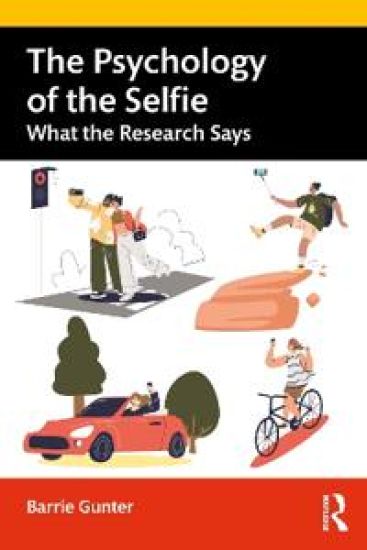
The Psychology of the Selfie provides a comprehensive overview and analysis of research on the significance of selfies, offering insights into the topic from a psychological perspective and examining important issues such as body image, self-objectification, mental health and psychological benefits.Selfies are a worldwide phenomenon. Although dismissed by critics as a sign of self-absorbed narcissism, they are also a social currency that maintains and reinforces friendships, a feedback loop for self-identity affirmation, a promotional tool for gaining social influence, and a method for preserving memories of life events. In this book, Barrie Gunter expertly explores the psychological underpinnings of the contemporary global phenomenon of "selfies", from the historical roots and meteoric rise due to technical advancements, to the different personality types of selfie-takers, to social relationships, to group and personal identity. Looking at both the psychological nature and impact of selfies, this book reviews different psychological outcomes for selfie-takers, both positive and negative, and the growth in psychological and physical problems that can sometimes arise. Presenting a comprehensive analysis specifically of selfie behaviour, this book is an essential reference for students and researchers in communications and media, journalism, information studies, psychology and sociology, as well as anyone with a general interest in the phenomenon.
The Psychology of the Selfie

The Psychology of the Selfie

Barrie Gunter

Taylor Francis Ltd
2021
sidottu
The Psychology of the Selfie provides a comprehensive overview and analysis of research on the significance of selfies, offering insights into the topic from a psychological perspective and examining important issues such as body image, self-objectification, mental health and psychological benefits.Selfies are a worldwide phenomenon. Although dismissed by critics as a sign of self-absorbed narcissism, they are also a social currency that maintains and reinforces friendships, a feedback loop for self-identity affirmation, a promotional tool for gaining social influence, and a method for preserving memories of life events. In this book, Barrie Gunter expertly explores the psychological underpinnings of the contemporary global phenomenon of "selfies", from the historical roots and meteoric rise due to technical advancements, to the different personality types of selfie-takers, to social relationships, to group and personal identity. Looking at both the psychological nature and impact of selfies, this book reviews different psychological outcomes for selfie-takers, both positive and negative, and the growth in psychological and physical problems that can sometimes arise. Presenting a comprehensive analysis specifically of selfie behaviour, this book is an essential reference for students and researchers in communications and media, journalism, information studies, psychology and sociology, as well as anyone with a general interest in the phenomenon.
Children and Television Consumption in the Digital Era
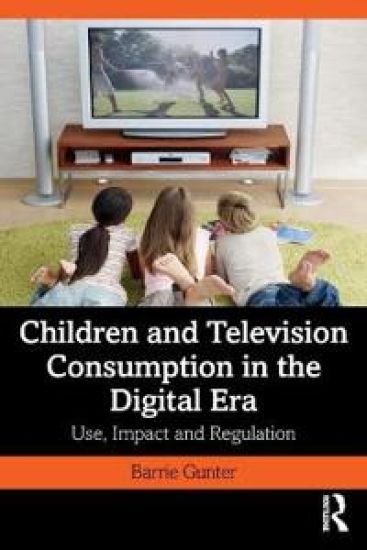
Children and Television Consumption in the Digital Era provides a comprehensive analysis of contemporary research on the developmental impact of children’s screen engagement in modern society.Barrie Gunter explores how the world of television has evolved to become almost unrecognisable from the broadcast landscapes present over the last years of the 20th century. This key text considers how screen-based entertainment has become increasingly interactive, and how children have become accustomed to creating their own television schedules through streamed services. It explores key topics including screen experiences and the manifestation of prosocial and antisocial behaviour, advertising and the development of consumerism, and the evidence of screen time on a child’s health and school performance. Gunter insightfully assesses television content that children are exposed to and its impact on cognitive and behavioural development.Featuring commentary on the challenges regulators face to keep up with rapidly developing screen technologies and suggestions on how parents can mediate their children’s screen behaviour, this text is an essential read for researchers and students taking courses in child development, family studies, broadcasting and communication.
Children and Television Consumption in the Digital Era
Children and Television Consumption in the Digital Era provides a comprehensive analysis of contemporary research on the developmental impact of children’s screen engagement in modern society.Barrie Gunter explores how the world of television has evolved to become almost unrecognisable from the broadcast landscapes present over the last years of the 20th century. This key text considers how screen-based entertainment has become increasingly interactive, and how children have become accustomed to creating their own television schedules through streamed services. It explores key topics including screen experiences and the manifestation of prosocial and antisocial behaviour, advertising and the development of consumerism, and the evidence of screen time on a child’s health and school performance. Gunter insightfully assesses television content that children are exposed to and its impact on cognitive and behavioural development.Featuring commentary on the challenges regulators face to keep up with rapidly developing screen technologies and suggestions on how parents can mediate their children’s screen behaviour, this text is an essential read for researchers and students taking courses in child development, family studies, broadcasting and communication.
Children and Television

Children and Television

Barrie Gunter; Jill Gunter

Routledge
2019
nidottu
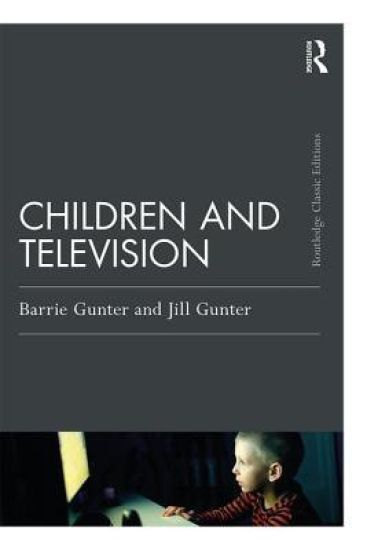
Does violence on TV lead to violent behaviour? How does screen time impact child development? What is the effect of advertising on a child’s behaviour? Twenty years after the publication of the first edition of Children and Television, these issues remain as pertinent as ever. In the new Classic Edition of this core textbook, Gunter and Gunter present research evidence into the effects of television on children and their responses to it. This comprehensive work examines a wide range of issues, including children’s knowledge of television and how it impacts social roles, aggressive behaviour, advertising, health orientation and both good and bad behaviour, and concludes that children are sophisticated viewers and control television far more than it controls them. The Classic Edition includes a new preface to the current context of the book, exploring the emergence of new TV channels, enhanced home recording capacity, archiving and streaming services replacing traditional forms of viewing with non-linear viewing and their impact on children. This book is essential reading for postgraduate and undergraduate students taking courses on child development and family studies.
Children and Television

Children and Television

Barrie Gunter; Jill Gunter

Routledge
2019
sidottu
Does violence on TV lead to violent behaviour? How does screen time impact child development? What is the effect of advertising on a child’s behaviour? Twenty years after the publication of the first edition of Children and Television, these issues remain as pertinent as ever. In the new Classic Edition of this core textbook, Gunter and Gunter present research evidence into the effects of television on children and their responses to it. This comprehensive work examines a wide range of issues, including children’s knowledge of television and how it impacts social roles, aggressive behaviour, advertising, health orientation and both good and bad behaviour, and concludes that children are sophisticated viewers and control television far more than it controls them. The Classic Edition includes a new preface to the current context of the book, exploring the emergence of new TV channels, enhanced home recording capacity, archiving and streaming services replacing traditional forms of viewing with non-linear viewing and their impact on children. This book is essential reading for postgraduate and undergraduate students taking courses on child development and family studies.