Kirjojen hintavertailu. Mukana 12 657 676 kirjaa ja 12 kauppaa.

Kirjailija

bell hooks

Kirjat ja teokset yhdessä paikassa: 87 kirjaa, julkaisuja vuosilta 1987-2026, suosituimpien joukossa Ain't I a Woman. Vertaile teosten hintoja ja tarkista saatavuus suomalaisista kirjakaupoista.

87 kirjaa

Kirjojen julkaisuhaarukka 1987-2026.

Feminist Theory

Feminist Theory

bell hooks

Routledge
2014
sidottu
When Feminist Theory: From Margin to Center was first published in 1984, it was welcomed and praised by feminist thinkers who wanted a new vision. Even so, individual readers frequently found the theory "unsettling" or "provocative." Today, the blueprint for feminist movement presented in the book remains as provocative and relevant as ever. Written in hooks's characteristic direct style, Feminist Theory embodies the hope that feminists can find a common language to spread the word and create a mass, global feminist movement.
Writing Beyond Race

Writing Beyond Race

bell hooks

Routledge
2012
nidottu
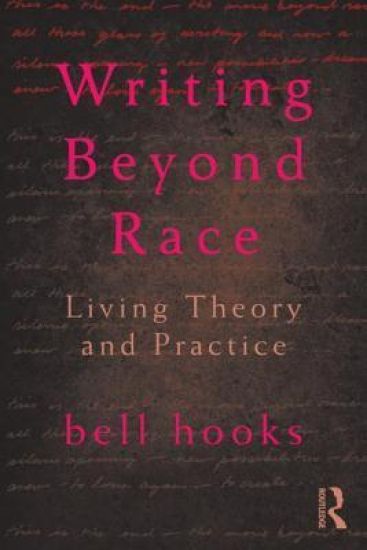
What are the conditions needed for our nation to bridge cultural and racial divides? By "writing beyond race," noted cultural critic bell hooks models the constructive ways scholars, activists, and readers can challenge and change systems of domination.In the spirit of previous classics like Outlaw Culture and Reel to Real, this new collection of compelling essays interrogates contemporary cultural notions of race, gender, and class. From the films Precious and Crash to recent biographies of Malcolm X and Henrietta Lacks, hooks offers provocative insights into the way race is being talked about in this "post-racial" era.
Writing Beyond Race

Writing Beyond Race

bell hooks

Routledge
2012
sidottu
What are the conditions needed for our nation to bridge cultural and racial divides? By "writing beyond race," noted cultural critic bell hooks models the constructive ways scholars, activists, and readers can challenge and change systems of domination.In the spirit of previous classics like Outlaw Culture and Reel to Real, this new collection of compelling essays interrogates contemporary cultural notions of race, gender, and class. From the films Precious and Crash to recent biographies of Malcolm X and Henrietta Lacks, hooks offers provocative insights into the way race is being talked about in this "post-racial" era.
Appalachian Elegy

Appalachian Elegy

Bell Hooks

The University Press of Kentucky
2012
nidottu
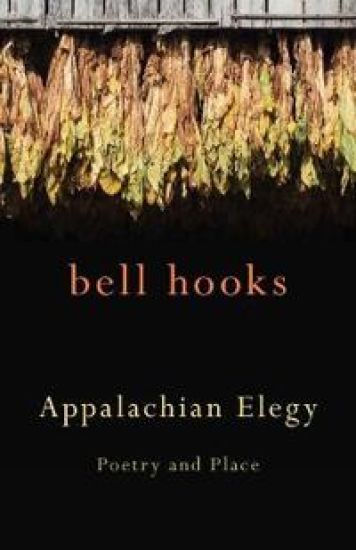
Author, activist, feminist, teacher, and artist bell hooks is celebrated as one of the nation's leading intellectuals. Born in Hopkinsville, Kentucky, hooks drew her unique pseudonym from the name of her grandmother, an intelligent and strong-willed African American woman who inspired her to stand up against a dominating and repressive society. Her poetry, novels, memoirs, and children's books reflect her Appalachian upbringing and feature her struggles with racially integrated schools and unwelcome authority figures. One of Utne Reader's "100 Visionaries Who Can Change Your Life," hooks has won wide acclaim from critics and readers alike. In Appalachian Elegy, bell hooks continues her work as an imagist of life's harsh realities in a collection of poems inspired by her childhood in the isolated hills and hidden hollows of Kentucky. At once meditative, confessional, and political, this poignant volume draws the reader deep into the experience of living in Appalachia. Touching on such topics as the marginalization of its people and the environmental degradation it has suffered over the years, hooks's poetry quietly elegizes the slow loss of an identity while also celebrating that which is constant, firmly rooted in a place that is no longer whole.
When Angels Speak of Love

When Angels Speak of Love

bell hooks

Atria Books
2011
pokkari
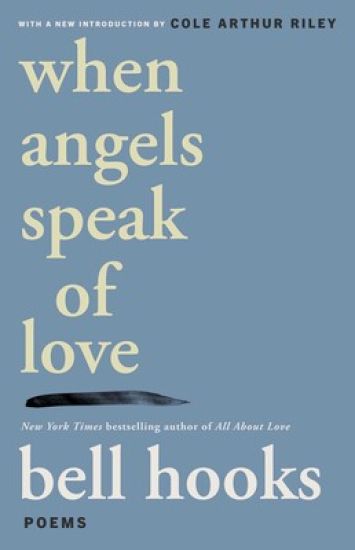
Feminist icon bell hooks reminds us of the full spectrum of feeling we spend in love through her inspiring collection of love poetry, with a new introduction by Cole Arthur Riley, author of Black Liturgies.Written from the heart, When Angels Speak of Love is a book of fifty love poems by bell hooks, one our most beloved public intellectuals, and author of over twenty books, including the bestselling All About Love. Poem after poem, hooks challenges our views and experiences with love—tracing the links between seduction and surrender, the intensity of desire, and the anguish of death. “Love must clean house, choose memories to keep, and memories to let go,” she writes. These verses are expansive yet accessible—encompassing romantic love, to love of family, friends, or oneself. In any iteration, these poems remind us of both the beauty and possibility of love.
Teaching Critical Thinking

Teaching Critical Thinking

bell hooks

Routledge
2009
nidottu
In Teaching Critical Thinking, renowned cultural critic and progressive educator bell hooks addresses some of the most compelling issues facing teachers in and out of the classroom today.In a series of short, accessible, and enlightening essays, hooks explores the confounding and sometimes controversial topics that teachers and students have urged her to address since the publication of the previous best-selling volumes in her Teaching series, Teaching to Transgress and Teaching Community. The issues are varied and broad, from whether meaningful teaching can take place in a large classroom setting to confronting issues of self-esteem. One professor, for example, asked how black female professors can maintain positive authority in a classroom without being seen through the lens of negative racist, sexist stereotypes. One teacher asked how to handle tears in the classroom, while another wanted to know how to use humor as a tool for learning.Addressing questions of race, gender, and class in this work, hooks discusses the complex balance that allows us to teach, value, and learn from works written by racist and sexist authors. Highlighting the importance of reading, she insists on the primacy of free speech, a democratic education of literacy. Throughout these essays, she celebrates the transformative power of critical thinking. This is provocative, powerful, and joyful intellectual work. It is a must read for anyone who is at all interested in education today.
Teaching Critical Thinking

Teaching Critical Thinking

bell hooks

Routledge
2009
sidottu
In Teaching Critical Thinking, renowned cultural critic and progressive educator bell hooks addresses some of the most compelling issues facing teachers in and out of the classroom today.In a series of short, accessible, and enlightening essays, hooks explores the confounding and sometimes controversial topics that teachers and students have urged her to address since the publication of the previous best-selling volumes in her Teaching series, Teaching to Transgress and Teaching Community. The issues are varied and broad, from whether meaningful teaching can take place in a large classroom setting to confronting issues of self-esteem. One professor, for example, asked how black female professors can maintain positive authority in a classroom without being seen through the lens of negative racist, sexist stereotypes. One teacher asked how to handle tears in the classroom, while another wanted to know how to use humor as a tool for learning.Addressing questions of race, gender, and class in this work, hooks discusses the complex balance that allows us to teach, value, and learn from works written by racist and sexist authors. Highlighting the importance of reading, she insists on the primacy of free speech, a democratic education of literacy. Throughout these essays, she celebrates the transformative power of critical thinking. This is provocative, powerful, and joyful intellectual work. It is a must read for anyone who is at all interested in education today.
Belonging

Belonging

bell hooks

Routledge
2008
sidottu
What does it mean to call a place home? Who is allowed to become a member of a community? When can we say that we truly belong? These are some of the questions of place and belonging that renowned cultural critic bell hooks examines in her new book, Belonging: A Culture of Place. Traversing past and present, Belonging charts a cyclical journey in which hooks moves from place to place, from country to city and back again, only to end where she began--her old Kentucky home. hooks has written provocatively about race, gender, and class; and in this book she turns her attention to focus on issues of land and land ownership. Reflecting on the fact that 90% of all black people lived in the agrarian South before mass migration to northern cities in the early 1900s, she writes about black farmers, about black folks who have been committed both in the past and in the present to local food production, to being organic, and to finding solace in nature. Naturally, it would be impossible to contemplate these issues without thinking about the politics of race and class. Reflecting on the racism that continues to find expression in the world of real estate, she writes about segregation in housing and economic racialized zoning. In these critical essays, hooks finds surprising connections that link of the environment and sustainability to the politics of race and class that reach far beyond Kentucky.With characteristic insight and honesty, Belonging offers a remarkable vision of a world where all people--wherever they may call home--can live fully and well, where everyone can belong.
Belonging

Belonging

bell hooks

Routledge
2008
nidottu
What does it mean to call a place home? Who is allowed to become a member of a community? When can we say that we truly belong? These are some of the questions of place and belonging that renowned cultural critic bell hooks examines in her new book, Belonging: A Culture of Place. Traversing past and present, Belonging charts a cyclical journey in which hooks moves from place to place, from country to city and back again, only to end where she began--her old Kentucky home. hooks has written provocatively about race, gender, and class; and in this book she turns her attention to focus on issues of land and land ownership. Reflecting on the fact that 90% of all black people lived in the agrarian South before mass migration to northern cities in the early 1900s, she writes about black farmers, about black folks who have been committed both in the past and in the present to local food production, to being organic, and to finding solace in nature. Naturally, it would be impossible to contemplate these issues without thinking about the politics of race and class. Reflecting on the racism that continues to find expression in the world of real estate, she writes about segregation in housing and economic racialized zoning. In these critical essays, hooks finds surprising connections that link of the environment and sustainability to the politics of race and class that reach far beyond Kentucky.With characteristic insight and honesty, Belonging offers a remarkable vision of a world where all people--wherever they may call home--can live fully and well, where everyone can belong.
Reel to Real

Reel to Real

bell hooks

Routledge
2008
nidottu
Movies matter – that is the message of Reel to Real, bell hooks’ classic collection of essays on film. They matter on a personal level, providing us with unforgettable moments, even life-changing experiences and they can confront us, too, with the most profound social issues of race, sex and class. Here bell hooks – one of America’s most celebrated and thrilling cultural critics – talks back to films that have moved and provoked her, from Quentin Tarantino’s Pulp Fiction to the work of Spike Lee. Including also her conversations with master filmmakers such as Charles Burnett and Julie Dash, Reel to Real is a must read for anyone who believes that movies are worth arguing about.
Outlaw Culture

Outlaw Culture

bell hooks

Routledge
2006
nidottu
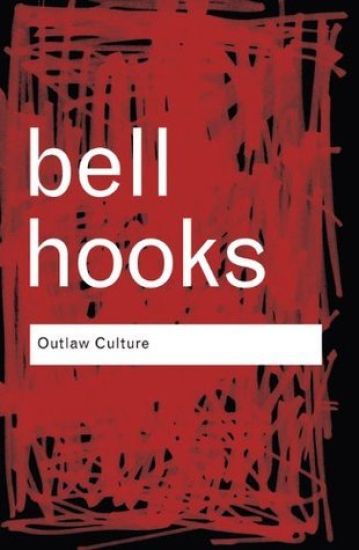
According to the Washington Post, no one who cares about contemporary African-American cultures can ignore bell hooks' electrifying feminist explorations. Targeting cultural icons as diverse as Madonna and Spike Lee, Outlaw Culture presents a collection of essays that pulls no punches. As hooks herself notes, interrogations of popular culture can be a ‘powerful site for intervention, challenge and change’. And intervene, challenge and change is what hooks does best.
The Will to Change

The Will to Change

Bell Hooks

Washington Square Press Inc.,N.Y.
2004
pokkari
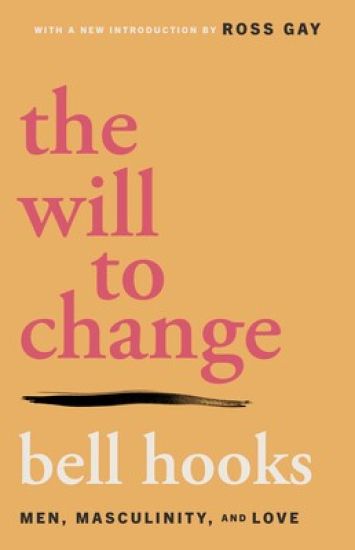
In a thought-provoking social and cultural analysis, the author of All About Love explores the world of masculinity and maleness to address some of men's most common concerns, including a fear of intimacy and the loss of their patriarchal place in society, arguing that an emotionally rewarding inner life holds the key to successful intimate relationships. Reprint. 15,000 first printing.
Rock My Soul

Rock My Soul

bell hooks

Washington Square Press Inc.,N.Y.
2004
pokkari
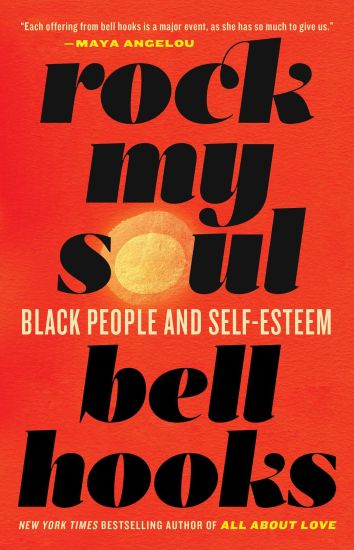
World-renowned scholar and visionary bell hooks takes an in-depth look at one of the most critical issues facing African Americans: a collective wounded self-esteem that has prevailed from slavery to the present day.Why do so many African Americans—whether privileged or poor, urban or suburban, young or old—live in a state of chronic anxiety, fear, and shame? Rock My Soul: Black People and Self-Esteem breaks through collective denial and dares to tell this truth—that crippling low self-esteem has reached epidemic proportions in our lives and in our diverse communities. With visionary insight, hooks exposes the underlying reality that it has been difficult—if not impossible—for our nation to create a culture that promotes and sustains healthy self-esteem. Without self-esteem people begin to lose their sense of agency. They feel powerless. They feel they can only be victims. The need for self-esteem never goes away. But it is never too late for any of us to acquire the healthy self-esteem that is needed for a fulfilling life. hooks gets to the heart and soul of the African-American identity crisis, offering critical insight and hard-won wisdom about what it takes to heal the scars of the past, promote and maintain self-esteem, and lay down the roots for a grounded community with a prosperous future. She examines the way historical movements for racial uplift fail to sustain our quest for self-esteem. Moving beyond a discussion of race, she identifies diverse barriers keeping us from well-being: the trauma of abandonment, constant shaming, and the loss of personal integrity. In highlighting the role of desegregation, education, the absence of progressive parenting, spiritual crisis, or fundamental breakdowns in communication between black women and men, bell hooks identifies mental health as the new revolutionary frontier—and provides guidance for healing within the black community.
We Real Cool

We Real Cool

bell hooks

Routledge
2003
nidottu
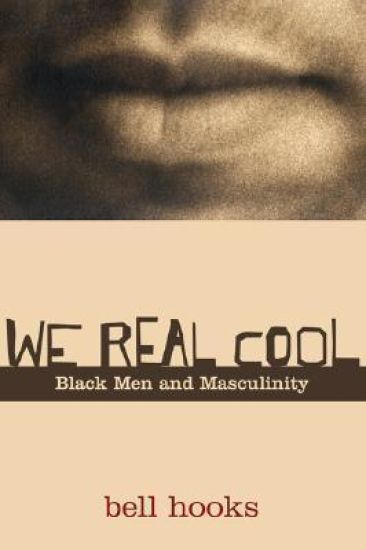
"When women get together and talk about men, the news is almost always bad news," writes bell hooks. "If the topic gets specific and the focus is on black men, the news is even worse."In this powerful new book, bell hooks arrests our attention from the first page. Her title--WeReal Cool; her subject--the way in which both white society and weak black leaders are failing black men and youth. Her subject is taboo: "this is a culture that does not love black males:" "they are not loved by white men, white women, black women, girls or boys. And especially, black men do not love themselves. How could they? How could they be expected to love, surrounded by so much envy, desire, and hate?"
We Real Cool

We Real Cool

Bell Hooks

Routledge
2003
sidottu
"When women get together and talk about men, the news is almost always bad news," writes bell hooks. "If the topic gets specific and the focus is on black men, the news is even worse."In this powerful new book, bell hooks arrests our attention from the first page. Her title--WeReal Cool; her subject--the way in which both white society and weak black leaders are failing black men and youth. Her subject is taboo: "this is a culture that does not love black males:" "they are not loved by white men, white women, black women, girls or boys. And especially, black men do not love themselves. How could they? How could they be expected to love, surrounded by so much envy, desire, and hate?"
Teaching Community

Teaching Community

bell hooks

Routledge
2003
sidottu
Ten years ago, bell hooks astonished readers with Teaching to Transgress: Education as the Practice of Freedom. Now comes Teaching Community: A Pedagogy of Hope - a powerful, visionary work that will enrich our teaching and our lives. Combining critical thinking about education with autobiographical narratives, hooks invites readers to extend the discourse of race, gender, class and nationality beyond the classroom into everyday situations of learning. bell hooks writes candidly about her own experiences. Teaching, she explains, can happen anywhere, any time - not just in college classrooms but in churches, in bookstores, in homes where people get together to share ideas that affect their daily lives. In Teaching Community bell hooks seeks to theorize from the place of the positive, looking at what works. Writing about struggles to end racism and white supremacy, she makes the useful point that "No one is born a racist. Everyone makes a choice." Teaching Community tells us how we can choose to end racism and create a beloved community. hooks looks at many issues-among them, spirituality in the classroom, white people looking to end racism, and erotic relationships between professors and students. Spirit, struggle, service, love, the ideals of shared knowledge and shared learning - these values motivate progressive social change. Teachers of vision know that democratic education can never be confined to a classroom. Teaching - so often undervalued in our society -- can be a joyous and inclusive activity. bell hooks shows the way. "When teachers teach with love, combining care, commitment, knowledge, responsibility, respect, and trust, we are often able to enter the classroom and go straight to the heart of the matter, which is knowing what to do on any given day to create the best climate for learning."
Teaching Community

Teaching Community

bell hooks

Routledge
2003
nidottu
Ten years ago, bell hooks astonished readers with Teaching to Transgress: Education as the Practice of Freedom. Now comes Teaching Community: A Pedagogy of Hope - a powerful, visionary work that will enrich our teaching and our lives. Combining critical thinking about education with autobiographical narratives, hooks invites readers to extend the discourse of race, gender, class and nationality beyond the classroom into everyday situations of learning. bell hooks writes candidly about her own experiences. Teaching, she explains, can happen anywhere, any time - not just in college classrooms but in churches, in bookstores, in homes where people get together to share ideas that affect their daily lives. In Teaching Community bell hooks seeks to theorize from the place of the positive, looking at what works. Writing about struggles to end racism and white supremacy, she makes the useful point that "No one is born a racist. Everyone makes a choice." Teaching Community tells us how we can choose to end racism and create a beloved community. hooks looks at many issues-among them, spirituality in the classroom, white people looking to end racism, and erotic relationships between professors and students. Spirit, struggle, service, love, the ideals of shared knowledge and shared learning - these values motivate progressive social change. Teachers of vision know that democratic education can never be confined to a classroom. Teaching - so often undervalued in our society -- can be a joyous and inclusive activity. bell hooks shows the way. "When teachers teach with love, combining care, commitment, knowledge, responsibility, respect, and trust, we are often able to enter the classroom and go straight to the heart of the matter, which is knowing what to do on any given day to create the best climate for learning."
Where We Stand

Where We Stand

bell hooks

Routledge
2000
sidottu
Drawing on both her roots in Kentucky and her adventures with Manhattan Coop boards, Where We Stand is a successful black woman's reflection--personal, straight forward, and rigorously honest--on how our dilemmas of class and race are intertwined, and how we can find ways to think beyond them.
Feminism is for Everybody

Feminism is for Everybody

Bell Hooks

Pluto Press
2000
pokkari
'Simply put, feminism is a movement to end sexism, sexist exploitation, and oppression.' So begins Feminism is for Everybody, a short, accessible introduction to feminist theory by one of its most influential practitioners. Designed to be read by all genders, this book provides both a primer to the question 'what is feminism?' and an argument for the enduring importance of the feminist movement today. Beginning with a broad survey of feminism's most important themes and concerns, bell hooks demystifies contentious concepts and turns apparent ideology into common sense. Providing a critical evaluation of the successes and failures of contemporary feminism, she looks at a wide variety of topics including reproductive rights, sexual violence, race, class and work. hooks encourages us to demand alternatives to patriarchal, racist and homophobic culture and thereby to seek out a different future.
Where We Stand

Where We Stand

Bell Hooks

Routledge
2000
nidottu
Drawing on both her roots in Kentucky and her adventures with Manhattan Coop boards, Where We Stand is a successful black woman's reflection--personal, straight forward, and rigorously honest--on how our dilemmas of class and race are intertwined, and how we can find ways to think beyond them.